


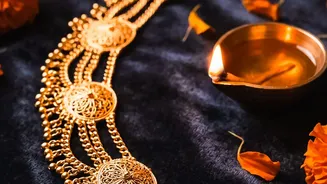
An Enduring Symbol of Love and Security
In India, gold is far more than a glittering accessory; it's a cornerstone of weddings, symbolising prosperity, blessings, and financial security for the new couple. Wedding-related purchases account for over half of the nation's annual gold demand, a tradition
deeply woven into the cultural fabric. It's a cherished heirloom, often passed down through generations, and a tangible asset that represents the family's status and love for the bride. This deep emotional and cultural significance is why, even when prices are high, the conversation around wedding gold doesn't disappear—it just changes.
What's Behind the High Prices?
As of mid-November 2026, the price for 22-karat gold, the standard for most jewellery, hovers around ₹12,500 per gram, a significant increase from previous years. Several factors are driving this surge. Globally, economic uncertainty and geopolitical tensions make gold a 'safe-haven' investment, pushing up demand and international prices. In India, these global prices are amplified by domestic factors. Since India imports nearly all its gold, a weaker rupee against the US dollar makes it more expensive to buy. Furthermore, government policies like import duties and GST add to the final cost for consumers, creating the sticker shock many families are now experiencing.
Fewer Grams, Same Budget
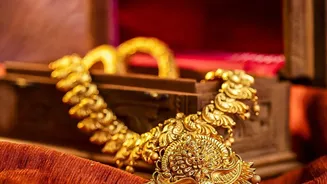
The direct impact on wedding shoppers is clear: budgets are being stretched thin. However, families are not necessarily spending less money overall; they are simply getting less gold for it. Many are adapting by reducing the total weight (grammage) of the jewellery they purchase. Where a family might have bought a heavy, elaborate set a few years ago, they are now opting for lighter, more delicate designs that offer the same traditional look without the hefty weight. This shift is reflected in national trends, which show a decline in the volume of gold sold even as the value of sales remains high.
Smart Strategies and Changing Tastes
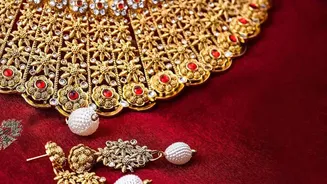
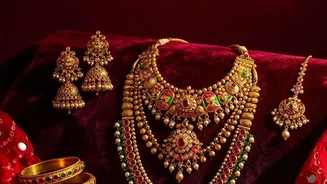
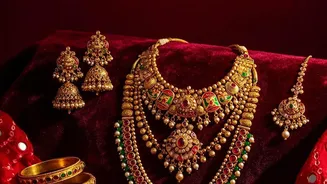
In response to the high costs, families and brides are embracing new strategies. The practice of exchanging old, inherited jewellery for new designs is sharply on the rise, making up a significant portion of transactions at many retailers. There's also a noticeable trend towards 'smart luxury'. Modern brides are increasingly prioritising versatile, lightweight pieces that can be worn for multiple occasions, not just the wedding day. Designs featuring temple motifs, polki, and kundan remain popular but are being created in lighter forms. Some are even mixing authentic gold pieces with high-quality imitation or rental jewellery for different functions to maintain a grand look while managing costs.
Jewellers Adapt to New Demands
The jewellery industry is also pivoting to meet the needs of today's budget-conscious consumer. Jewellers are actively promoting lightweight collections and innovative designs that look substantial without being overly heavy. Many are offering more flexible purchasing options, such as gold-saving schemes that allow families to plan and accumulate gold over time, softening the blow of a single large purchase. Personalised pieces with engraved initials or meaningful symbols are also gaining traction, adding sentimental value that goes beyond the gold's weight. This focus on design and customisation reflects a broader shift where the emotional value of the jewellery is just as important as its financial worth.