





The Soothing Power of Ginger
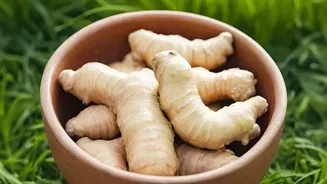
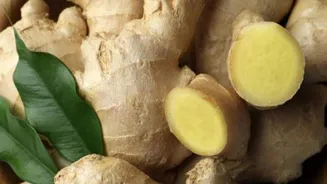
For thousands of years, cultures around the world have turned to ginger as a remedy for various ailments. This knobby root is more than just a pungent spice; it contains bioactive compounds like gingerol, which are responsible for many of its acclaimed
health benefits. These compounds have powerful anti-inflammatory and antioxidant properties. Scientific studies have explored ginger's effectiveness in easing nausea, particularly related to morning sickness, motion sickness, and even chemotherapy. It's believed to work by helping to speed up stomach emptying and affecting serotonin receptors in the gut, which play a role in the sensation of nausea. This makes a simple ginger infusion not just a comforting warm drink, but one grounded in a long history of therapeutic use.
Your Simple Guide to Making Ginger Water
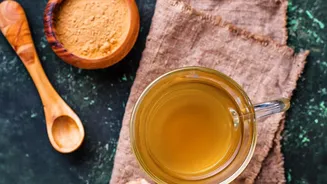
Creating your own ginger-infused water is remarkably simple. You only need fresh ginger root and water. For a standard brew, start by grating about half a teaspoon of fresh ginger. Bring four cups of water to a boil, add the ginger, and then remove it from the heat. Let it steep for five to ten minutes, depending on how strong you like it. Finally, strain the liquid to remove the ginger pieces. You can enjoy this drink hot, just like a tea, or let it cool and drink it throughout the day for hydration with a gentle, spicy kick. The process itself can be a calming ritual, a small pause in your day dedicated to your own well-being.
Customise Your Cup of Comfort
While pure ginger water is excellent on its own, you can easily customise it to suit your taste or enhance its soothing qualities. A squeeze of fresh lemon juice adds a bright, zesty flavour and a dose of Vitamin C. A spoonful of honey can balance the spiciness of the ginger and may help soothe a sore throat. For added warmth and spice, consider adding a stick of cinnamon. In the summer, you can even make a cold-infused version by steeping grated ginger, lemon, and mint leaves in cold water in the refrigerator overnight. These additions not only change the flavour profile but can also bring their own subtle benefits, turning your simple ginger water into a personalised wellness tonic.
Potential Benefits Beyond Digestion
Beyond its well-known role in aiding digestion and calming nausea, research suggests ginger may offer other benefits. Some studies indicate that regular consumption may help manage blood sugar levels and lower cholesterol, contributing to heart health. Its anti-inflammatory properties have also been studied for their potential to alleviate pain, including muscle soreness after exercise and menstrual cramps. While many of these studies use concentrated ginger supplements rather than ginger water, incorporating the infusion into your diet is a simple way to enjoy the root’s natural compounds and stay hydrated, which is crucial for overall health.
A Note on Moderation
Ginger water is safe for most people, but it's best consumed in moderation. Drinking excessive amounts—typically defined as more than five grams of ginger per day—can sometimes lead to mild side effects like heartburn, gas, or mouth irritation. People who take blood-thinning medications or have blood pressure issues should speak with their doctor before making ginger a regular part of their routine, as it can potentially interact with these medications. As with any herbal remedy, listening to your body is key. Start with a weaker brew to see how you feel and enjoy it as a comforting part of a balanced diet.