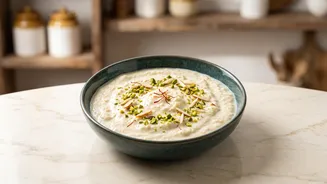






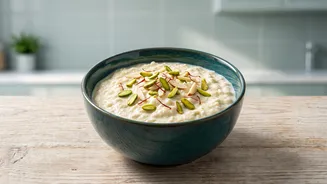
The Soul of Traditional Rabri
Authentic rabri, or rabdi, is a testament to the magic of slow cooking. It's a cherished North Indian sweet made by simmering full-fat milk in a wide, heavy-bottomed pan for hours. As the milk reduces, a layer of cream, or malai, forms on top. This is patiently
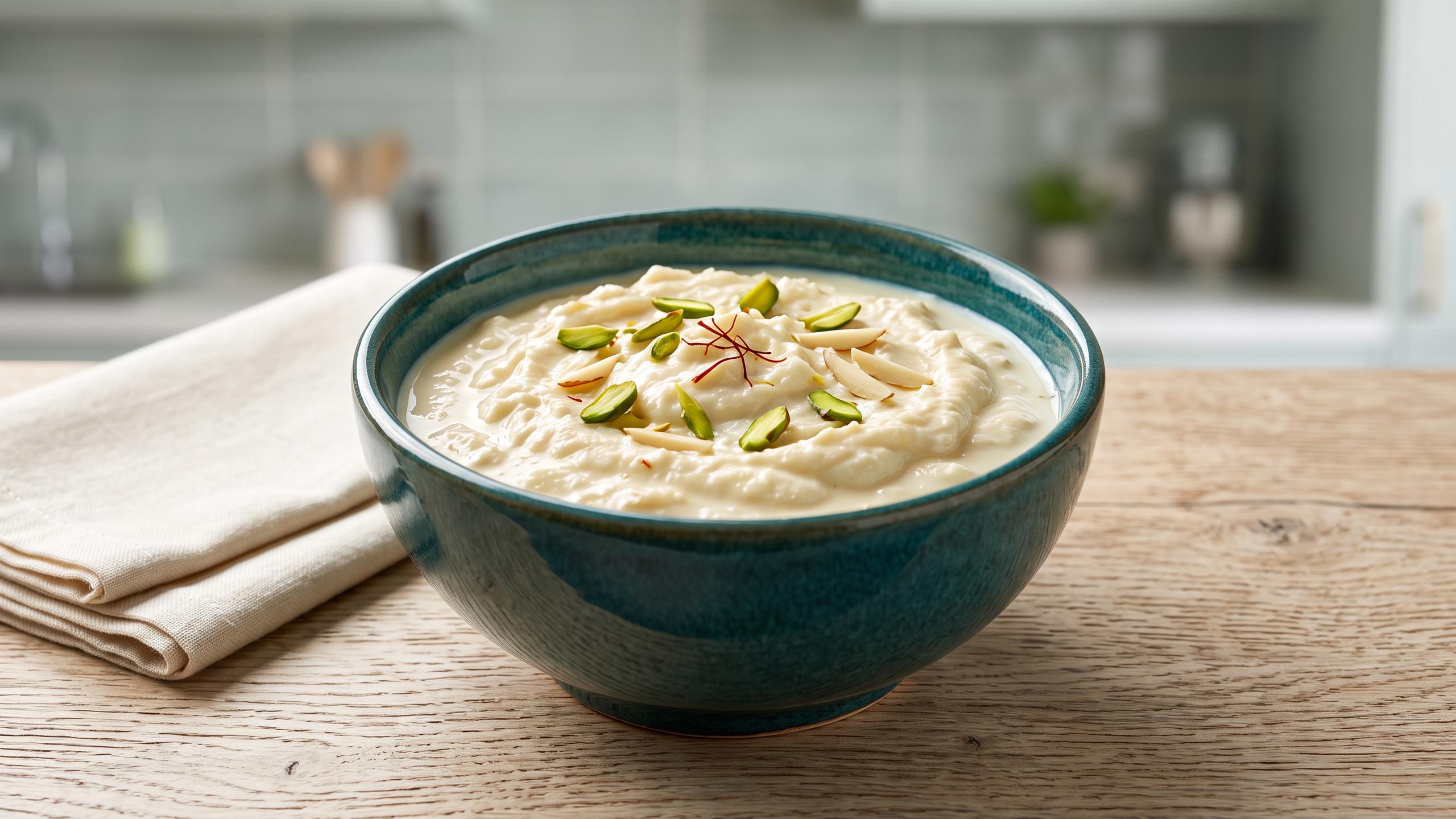
scraped from the sides of the pan and collected. This process is repeated until the milk has thickened considerably and reduced to a fraction of its original volume. The collected layers of cream are then folded back in, creating the signature lachhedar (textured) consistency. Flavoured with cardamom, saffron, and nuts, it's a dessert that's truly a labour of love.
The 15-Minute Secret Weapon
So, how can hours of simmering be condensed into just 15 minutes? The secret lies in using a simple, everyday ingredient to create body and thickness almost instantly: bread. By removing the crusts from a few slices of white bread and grinding them into fine crumbs, you create a thickening agent that seamlessly dissolves into simmering milk. This shortcut, popular among time-savvy home cooks, mimics the dense texture of slow-reduced milk without the long wait, providing the perfect canvas for flavour. Other quick methods involve using condensed milk, milk powder, or even paneer to speed up the process, but the bread technique is famously reliable and accessible.
Your Base Instant Rabri Recipe
This recipe will form the foundation for all your flavour experiments. You will need about 4 cups of full-fat milk, 3-4 slices of white bread, a half cup of sugar (or to taste), and your choice of flavourings. Start by trimming the crusts from the bread and blitzing the slices into fine crumbs in a grinder. Next, bring the milk to a boil in a non-stick pan. Let it simmer for about 5 minutes. Now, gradually add the bread crumbs while stirring continuously to avoid any lumps. The mixture will begin to thicken almost immediately. Add your sugar and continue to cook for another 5-7 minutes, stirring occasionally, until you have a creamy, thick consistency. Remember, the rabri will thicken further as it cools. Once it's reached the desired state, your base is ready.
The Classic Flavour Trio
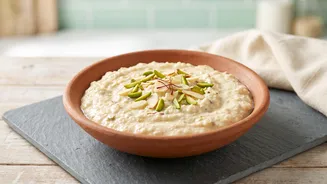
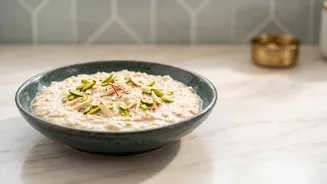
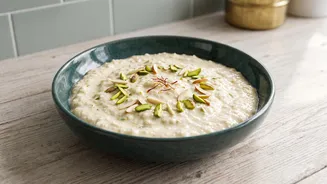
With your base rabri ready, it’s time to infuse it with classic aromas. The holy trinity of rabri flavouring is saffron, cardamom, and rose. For a beautiful colour and fragrant aroma, soak a generous pinch of saffron strands in a tablespoon of warm milk for a few minutes before adding it to the rabri. For a warm, sweet spice, add about half a teaspoon of freshly ground cardamom powder. Finally, for a delicate floral note that is quintessentially Indian, a few drops of rose water or kewra water can be stirred in right at the end, after you've turned off the heat. Garnish generously with slivered almonds and pistachios for a crunchy contrast.
Exploring Modern and Fruity Twists
Don’t be afraid to experiment beyond the classics. For a seasonal delight, you can create a luscious Mango Rabri by gently folding in thick mango puree (aamras) after the rabri has completely cooled. For another beloved variation, cooled rabri can be mixed with the pulp of Sitaphal (custard apple). For these fruity versions, it's best to reduce the sugar in the base recipe to account for the sweetness of the fruit. For a more indulgent, contemporary take, consider a Chocolate Rabri. Simply mix in a tablespoon of cocoa powder with the sugar or melt in some dark chocolate at the end of the cooking process for a rich, decadent dessert.
Serving and Storing Your Creation
Rabri is incredibly versatile in how it's served. While it is delicious on its own, served either warm or chilled, it is famously paired with other sweets. Serving a ladle of cool rabri over hot, crispy jalebi or warm, syrupy gulab jamuns is a match made in dessert heaven. It’s also the perfect accompaniment for malpua, a traditional sweet pancake. To store, allow the rabri to cool completely to room temperature before placing it in an airtight container in the refrigerator. It should stay fresh for 2-3 days. If it becomes too thick after chilling, you can stir in a tablespoon or two of cold milk to loosen it to your desired consistency.