




Beyond the Sticker Price: Understanding Unit Cost
The most fundamental step to smarter shopping is looking past the big, bold shelf price and finding the unit price. This figure tells you the cost per ounce, litre, pound, or count. Most stores display it on the shelf tag, often in a smaller font. The formula
is simple: total price divided by the quantity. A larger, more expensive-looking container may actually be cheaper per unit. For example, a 32-ounce jar of pasta sauce for $4.16 costs 13 cents per ounce, while a 24-ounce jar at $3.60 costs 15 cents per ounce. That two-cent difference adds up over time. Always check that you are comparing the same units—some tags might show price per ounce while a similar product shows price per pound, requiring a quick conversion to see the real value.
The Quality Factor: When Paying More Pays Off
Sometimes, the cheaper item is less of a bargain because it's lower in quality. This is especially true for pantry staples that provide flavour and substance. Cheaper spices may contain fillers, meaning you need to use more to get the same impact as a pinch of a higher-quality, more potent version. The same logic applies to items like olive oil, coffee, and sauces. A watery, inexpensive tomato sauce might require you to add more paste, herbs, and spices to make it palatable, erasing your initial savings. When it comes to products like meat or fresh produce, higher quality often translates to better taste and nutritional value, which can encourage you to cook at home more often and rely less on costly takeout.
Cost-Per-Use: The Long Game
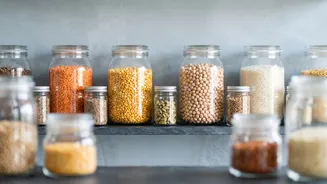
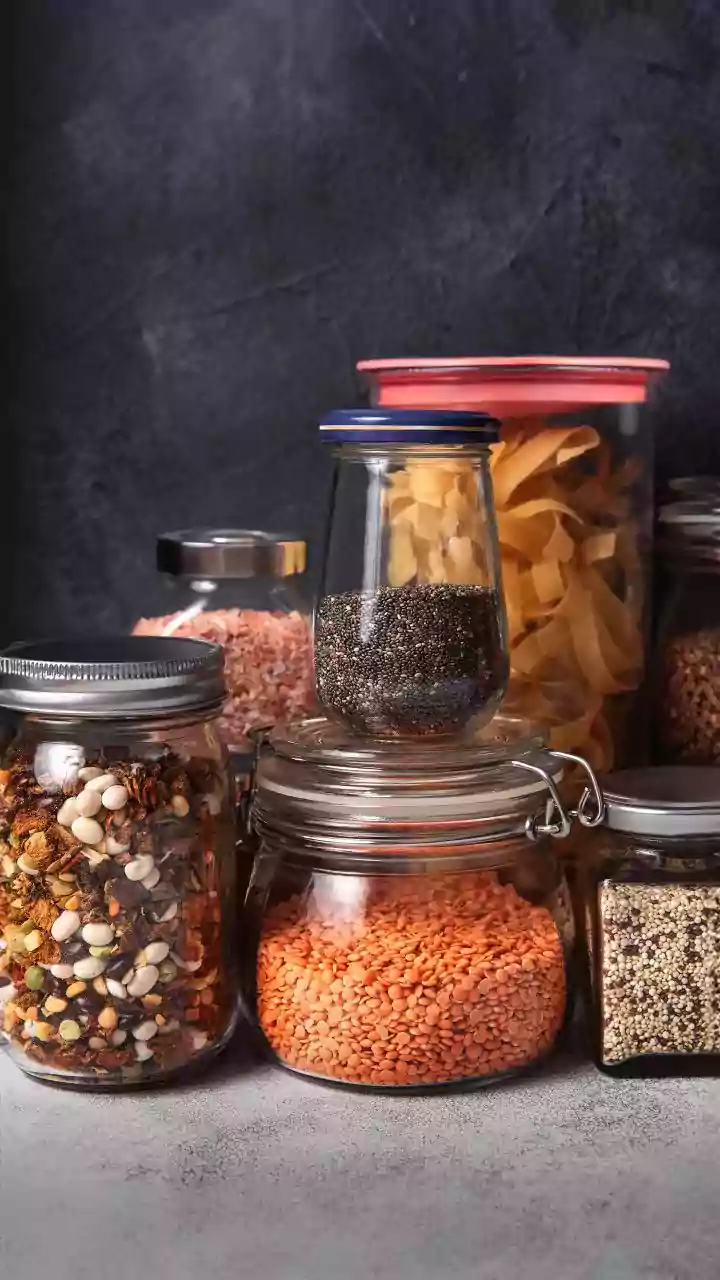
A related concept popular in fashion and durable goods also applies to groceries: cost-per-use. This metric asks you to divide the total price by the number of times you'll use the item. A large, bulk-sized bag of rice or beans may have a higher upfront cost, but if it provides dozens of servings over several months, its cost-per-use is incredibly low. This is where buying in bulk can be a huge money-saver for non-perishable items your household consumes regularly. However, this strategy only works if you actually use everything you buy. If half of that giant bag of spinach wilts before you can eat it, its cost-per-use becomes much higher than the smaller bag you would have finished.
The Hidden Cost of Waste
Food waste is a significant hidden cost in any grocery budget. In the U.S., up to 40% of all food produced goes uneaten, and a large portion of that waste happens at home. Buying the cheapest item, especially in bulk, can contribute to this problem if it's not managed well. Perishable items like fresh produce are particularly vulnerable. Studies show that diets higher in fresh fruits and vegetables can sometimes lead to more waste because these items spoil faster than shelf-stable ones. It’s often smarter to buy fresh ingredients in smaller quantities more frequently, even if the unit price is slightly higher than the bulk option. Planning meals before you shop is a key strategy to ensure that what you buy actually gets eaten, saving you money and reducing waste.
Nutritional Value vs. Empty Calories
Finally, value can be measured in nutritional density. Cheaper, ultra-processed foods are often packed with fillers, sugar, and sodium, offering little in the way of vitamins, minerals, and fibre. A more expensive but nutrient-dense option—like whole-grain bread over white bread, or Greek yogurt over a sugary, fruit-on-the-bottom version—can keep you fuller for longer and contribute more to your overall health. In the long run, investing in higher-quality, more nutritious food is an investment in your well-being. While budget constraints are a real concern for many, looking for sales on quality items or shopping at discount grocers known for high-quality store brands can bridge the gap between price and nutrition.