






An Origin Story from 1910
The story of Indi's famed citrus industry begins not with a grand agricultural plan, but with the foresight of an individual. Around 1910, a local administrator named Shrimant Shankarrao Deshmukh brought saplings of the 'Kagzi' lemon variety from what
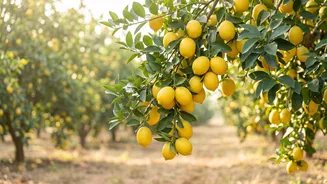
is now Pakistan. He planted them in the dry, loamy soil of Indi, an experiment that would profoundly reshape the region's identity. The semi-arid climate and black soil, which might seem challenging for other crops, proved to be the perfect environment for these lemons to thrive, setting the stage for a horticultural revolution. This initial planting kickstarted a tradition that has now spanned well over a hundred years.
What Makes the Indi Lemon Special?
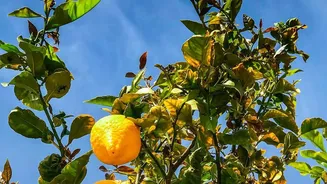
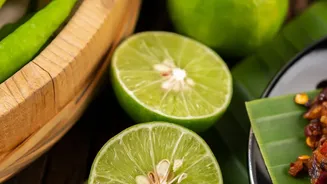
The Kagzi lemon, locally known as the Indi Lime, is prized for its unique characteristics that set it apart. The name 'Kagzi' itself translates to 'paper-like', a direct reference to its exceptionally thin rind. This delicate peel encases a fruit celebrated for its high juice content, which often exceeds 50% of its weight. Beyond the juice, it boasts a sharp, refreshing acidity and a strong citrus aroma, making it a favourite in kitchens and for beverages across the country. These qualities, a direct result of the region's unique terroir, are what make the Indi Lime more than just a generic lemon; it is a premium fruit with a distinct personality.
The Economic Backbone of a Region
What began as an experiment has since become the economic lifeline for thousands of farmers in Indi and the surrounding taluks. Vijayapura district is a powerhouse of citrus production, contributing to nearly 58% of Karnataka's total lime output, with Indi taluk at its epicentre. The industry's importance is underscored by the fact that the Karnataka State Lime Development Board is headquartered in Indi. Recognizing its unique origin and quality, the Indi Lime was granted the coveted Geographical Indication (GI) tag in 2023. This certification not only protects the farmers' interests but also formally acknowledges the lemon's deep-rooted connection to the region, preventing imitation and boosting its market value both domestically and in export markets.
Modern Challenges and a Resilient Future
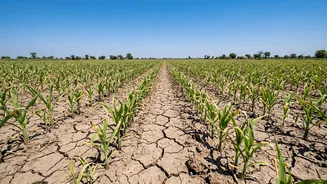
Despite its success, the citrus groves of Indi are not without their challenges. Farmers in this semi-arid region constantly grapple with water scarcity, a problem compounded by the effects of climate change. Widespread nutrient deficiencies in the soil can also affect orchard productivity, leading to smaller fruit and lower yields. Furthermore, like many agricultural commodities, farmers face the uncertainty of market price fluctuations. To combat these issues, local bodies like the Krishi Vigyan Kendra (KVK) are actively working with farmers. They introduce solutions like specialised micronutrient mixtures and better water management practices to ensure the orchards remain healthy and productive for generations to come, securing the future of this historic crop.