





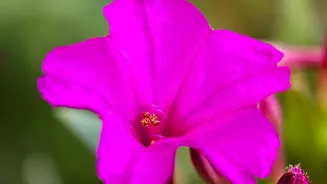
A Once-in-a-Dozen-Year Spectacle
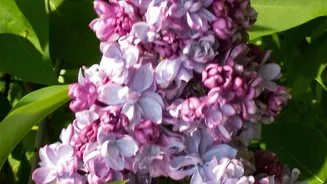
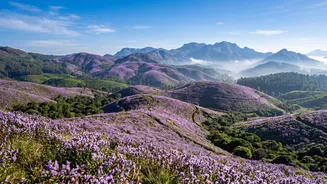
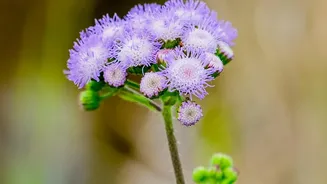
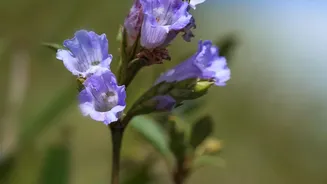
Imagine entire mountainsides draped in a carpet of purplish-blue flowers, stretching as far as the eye can see. This is not a dream, but a real phenomenon that unfolds in the Western Ghats. The star of this show is a shrub known scientifically as Strobilanthes
kunthiana, or Neelakurinji. Its name is a combination of the local words for blue ('neela') and flower ('kurinji'). While many plants flower annually, Neelakurinji follows a far more patient timeline, bursting into a synchronized, mass bloom only once every 12 years. After this grand display, the plants die, leaving behind seeds that will wait another dozen years to repeat the cycle. This long, predictable interval is what makes each blooming season an unmissable, once-in-a-generation event.
The Rhythms of Nature
The 12-year cycle is a remarkable survival strategy known as gregarious flowering. By blooming all at once, the plants overwhelm pollinators like bees and butterflies, ensuring successful pollination and seed production for the next generation. The last major, widely publicised bloom in Munnar's Eravikulam National Park occurred in 2018, with the next one anticipated in 2030. However, the Western Ghats host different populations of Neelakurinji that follow their own unique 12-year calendars. For instance, a bloom is currently being witnessed in 2026 in areas around Chokramudi and Mattupetty, as this population last flowered in 2014. This means the hills of Munnar can have more than one 'Neelakurinji clock' ticking at the same time.
More Than Just a Pretty Flower
The Neelakurinji is far more than a visual marvel; it's a cornerstone of its high-altitude shola grassland ecosystem. During the flowering season, the explosion of nectar provides a feast for native bees and other pollinators. This results in the production of a rare, prized 'Kurinji honey,' which is said to be exceptionally delicious. The flower is considered an indicator species, meaning its health and blooming cycle reflect the overall health of its fragile habitat. Its very presence signifies a thriving ecosystem in the Western Ghats, a UNESCO World Heritage Site and one of the world's most important biodiversity hotspots.
Woven into Culture and Time
The flower's significance extends deep into the region's cultural fabric. For centuries, the local Paliyan and Muthuvan tribal communities have used the 12-year bloom cycle to mark time and even calculate their age. Someone's age might be described by the number of blooms they have witnessed. The flower is also immortalised in ancient Tamil Sangam literature, where the mountainous landscape itself was named 'Kurinji' after the flower. This connection makes the bloom not just a natural event, but a living part of cultural heritage that has been passed down through generations.
A Future Under Threat
Despite its resilience, the future of the Neelakurinji is not secure. The plant has been officially classified as a threatened species. Its fragile shola-grassland habitat is shrinking due to threats like the expansion of tea and eucalyptus plantations, unregulated tourism, and infrastructure development. Unregulated visitor activity during a bloom can lead to plants being trampled, disrupting seed dispersal and the natural regeneration process. Climate change also poses a risk, as altered rainfall and temperature patterns could disrupt the delicate synchrony of the 12-year cycle. Conservation efforts, including the establishment of the Kurinjimala Sanctuary, are underway to protect these vital habitats.