





What Makes Nut Spreads Nutrient-Dense?
Nut butters are more than just a tasty spread for your toast. They are concentrated sources of energy and nutrients. Primarily, they are packed with heart-healthy monounsaturated and polyunsaturated fats, which are essential for brain health and lowering
bad cholesterol. They also provide a significant amount of plant-based protein and dietary fibre, a combination that helps you feel full and satisfied for longer, preventing mid-morning slumps. Additionally, these spreads are rich in various vitamins and minerals, including vitamin E, magnesium, potassium, and iron, all of which play vital roles in everything from energy production to immune function.
Classic Choice: Peanut Butter
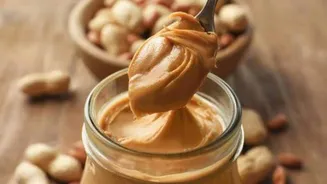
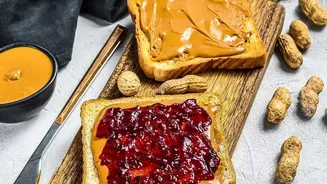
Peanut butter is the most popular and affordable nut butter for good reason. It typically leads the pack in protein content, with about 7 grams per two-tablespoon serving, making it an excellent choice for post-workout recovery or simply staying full until lunch. While it might have slightly less fibre and vitamins than some other nut butters, it remains a fantastic source of nutrients. To get the most benefit, opt for natural varieties that list only peanuts and perhaps a little salt on the ingredient label. Simple breakfast ideas include swirling it into oatmeal, blending it into a smoothie, or spreading it on a whole-wheat chapati with banana slices.
The Nutrient Powerhouse: Almond Butter
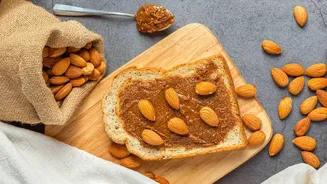
Almond butter is often hailed as one of the healthiest choices. While its protein content is slightly lower than peanut butter's, it shines in its micronutrient profile. It is an exceptional source of vitamin E, a powerful antioxidant that protects your cells from damage. Almond butter also typically contains more fibre, calcium, and magnesium compared to its peanut counterpart. The higher fibre content aids digestion, while the calcium is crucial for bone health. Its rich, nutty flavour is delicious on toast, mixed into yogurt bowls, or used as a dip for apple slices.
The Creamy Alternative: Cashew Butter
For those who love a naturally sweet and creamy texture, cashew butter is a wonderful option. It has a mild, buttery flavour that feels indulgent. While slightly lower in protein and fibre, it is rich in minerals like copper, magnesium, and iron. Copper is essential for energy production and brain development, while iron helps fight fatigue. Its creamy consistency makes it an excellent base for sauces and dressings or a dairy-free substitute in recipes. It also pairs beautifully with berries and granola in a breakfast bowl or as a spread inside a wrap.
How to Choose a Healthy Nut Spread
The key to reaping the benefits of nut spreads is to read the label carefully. The healthiest options will have a minimal ingredient list—ideally, just nuts and maybe a touch of salt. Many commercial brands add sugar, palm oil, or hydrogenated oils to improve flavour and texture and prevent the natural oil from separating. These additives can diminish the nutritional value. A natural nut butter will often have a layer of oil on top; this is a good sign and just needs a quick stir to reincorporate. By choosing a pure nut butter, you ensure you're getting all the goodness without the unnecessary extras.