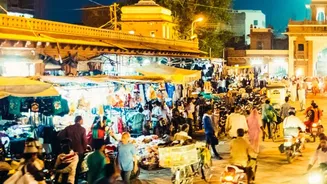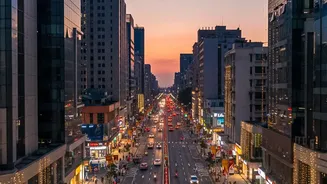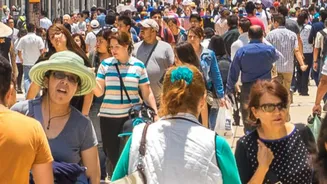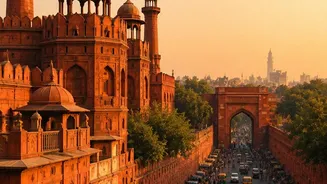




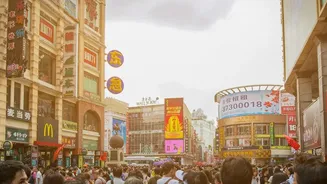
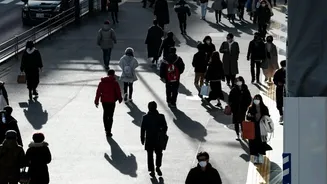

Cities are often a battleground between cars and people. But a growing movement is reclaiming streets for pedestrians, creating safer, cleaner, and more vibrant public spaces. Delhi's iconic Chandni Chowk is a prime example of this transformation.
What Makes a Street ‘Walkable’?
A pedestrian-friendly
street is more than just a road without cars. It's an urban space designed for human experience. Key elements include wide, unobstructed footpaths, ample seating, good lighting, and accessibility for everyone, including those with disabilities. The goal is to create an environment where people want to linger, not just pass through. This often involves reducing noise and air pollution by restricting traffic, which in turn makes the area safer and more pleasant. Ultimately, pedestrianisation aims to boost quality of life, encourage physical activity, and foster a sense of community.
Global Icons of Pedestrianisation
Many cities worldwide have successfully created celebrated walking zones. Copenhagen's Strøget, one of Europe's longest pedestrian streets, was converted in 1962. Initially met with skepticism that it would kill business, it proved to be a massive success, boosting retail revenue and demonstrating the economic power of foot traffic. Similarly, La Rambla in Barcelona is a wide, tree-lined promenade bustling with performers, markets, and cafes, connecting the city centre to the sea. These streets are not just transport corridors; they are destinations in themselves, proving that prioritising people can revitalise a city's heart.
The Grand Redesign of Chandni Chowk
For centuries, Chandni Chowk was a chaotic mix of vehicles, shoppers, and vendors. The redevelopment project, completed in 2021, transformed a 1.3-kilometre stretch from the Red Fort to Fatehpuri Masjid into a pedestrian-focused zone. Motorised vehicles are now banned from 9 am to 9 pm. The once-congested road is now paved with red sandstone, featuring benches, new lighting, and planters. Dangling overhead electrical wires were moved underground, clearing the view and enhancing the area's heritage aesthetic. The project aimed to decongest the historic market and restore some of its Mughal-era grandeur, making the experience of visiting more about leisurely exploration than stressful navigation.
More Than Just a Walkway
The impact of Chandni Chowk's transformation has been multifaceted. Traders, who were initially worried about losing customers, have reported an increase in footfall and business. The organised space makes it easier for visitors to appreciate the architecture and browse shops. The project has also aimed to turn the area into a major tourist hub, with plans for street food joints to operate late into the night. However, challenges remain. The project has faced criticism for displacing informal street vendors and cart pullers, who are essential to the market's ecosystem. Other issues include managing traffic congestion on surrounding roads and ensuring the longterm maintenance of the redeveloped stretch.