






Know Your Enemy: Common Pantry Pests
The first step in pest prevention is understanding what you're up against. In Indian kitchens, the most common culprits are small beetles, weevils, and moths. The Indian meal moth is a frequent offender; you might see the adult moths flying around or
notice their larvae, which look like small whitish worms, and the silk webbing they leave behind in food packages. Flour beetles are tiny, reddish-brown insects that, as their name suggests, love to infest flour and other milled products. Then there are weevils, often found in whole grains like rice and wheat, identifiable by their long snouts and the small, round exit holes they leave in kernels. These pests often hitch a ride into our homes in contaminated grocery packages, and once inside, they can multiply and spread quickly, especially in warm and humid conditions.
The Airtight Solution: Your First Line of Defence
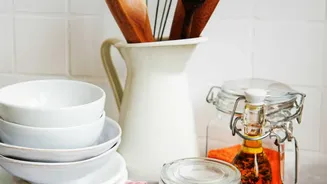
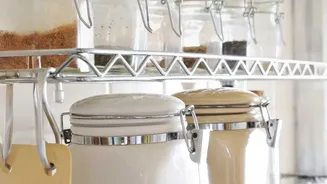
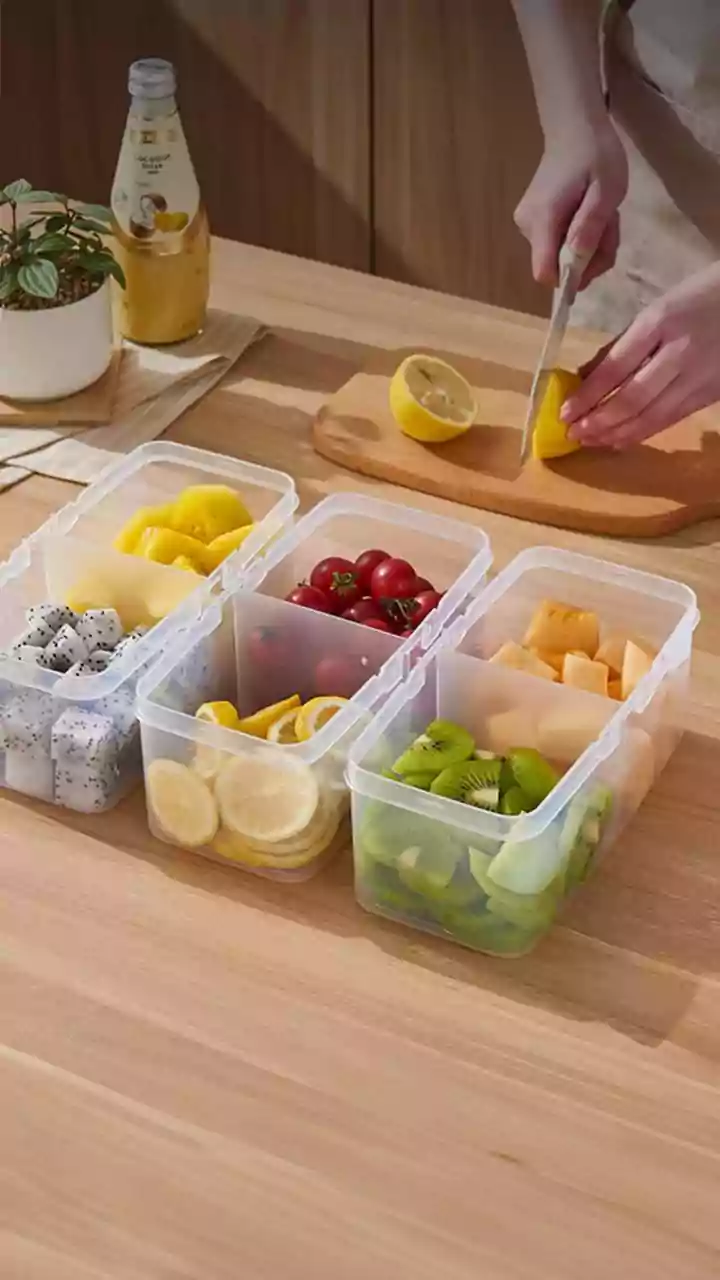
The flimsy paper, cardboard, and thin plastic packaging that our staples come in are no match for determined pests. They can easily chew through these materials. This is why your most powerful weapon is the airtight container. Transferring goods like flour, rice, lentils, spices, and sugar into containers made of glass, metal, or thick, food-grade plastic creates an impenetrable barrier. This not only keeps pests out but also protects your food from moisture and humidity, which can cause spoilage and clumping, extending the freshness of your ingredients. Look for containers with a silicone seal for the most effective protection. For efficient pantry organisation, square or rectangular stackable containers are ideal as they maximise shelf space.
A Clean and Dry Environment is Crucial
Pests are attracted to food sources, and that includes stray crumbs and spills. Regular cleaning is a non-negotiable habit for a pest-free pantry. Aim to deep clean your pantry shelves every few months. This involves removing everything, vacuuming up any debris from corners and crevices, and wiping down the surfaces. A simple solution of equal parts white vinegar and water works as an excellent cleaning agent and a natural pest deterrent. Before restocking, ensure the shelves are completely dry, as pests thrive in damp environments. Also, get into the habit of wiping up spills immediately and ensuring all container lids are securely fastened after use.
Smart Habits for a Pest-Free Kitchen
Beyond storage and cleaning, a few smart habits can make a huge difference. First, inspect groceries for any signs of damage, such as tiny holes in the packaging, before you buy them. When you bring new supplies home, consider the 'first-in, first-out' rule—use up older items before opening new ones to ensure food doesn't sit forgotten for too long. For items you use infrequently, or if you've had a previous infestation, you can freeze new packets of flour or grains for three to four days to kill any potential eggs or larvae before transferring them to your airtight containers. Avoid mixing old and new food in the same container; always wash and dry containers thoroughly before refilling them.
Natural Deterrents to Keep Bugs at Bay
Several natural ingredients found in most Indian kitchens have pest-repelling properties. Bay leaves are a time-tested deterrent; their strong aroma is unpleasant to weevils and other insects. Simply place a couple of dried bay leaves in your containers of flour, rice, and lentils. Cinnamon is another powerful repellent for ants and moths; you can leave a few cinnamon sticks in the corners of your pantry or sprinkle some powder along shelves. Other effective natural options include placing cotton balls soaked in essential oils like peppermint, lavender, or neem oil in your cupboards, or using citrus peels, which repel spiders and flies. These methods are safe, chemical-free, and help maintain a pleasant aroma in your kitchen.