


A Spot in the Top Tier
In the recently published 2025-26 awards, TasteAtlas awarded Indian cuisine a strong score of 4.43 out of 5, securing its place among the world's culinary elite. Topping the chart were Italy and Greece, followed by countries like Peru, Portugal, and Spain,
which rounded out the top five. India's position at 13th places it ahead of many other beloved food cultures, including Vietnam and South Korea. The ranking confirms that Indian food is no longer seen as merely niche or exotic on the world stage but has firmly entered the mainstream. However, for a country with one of the most ancient and diverse food traditions, the number alone doesn't tell the full story and often sparks debate among food lovers everywhere.
How the Rankings Work
Before anyone gets too heated, it’s important to understand how TasteAtlas arrives at its conclusions. Unlike the Michelin Guide, which relies on expert inspectors, TasteAtlas builds its rankings from user ratings. The platform has a massive database of over 15,000 traditional dishes and ingredients from around the world. The final score for a country is the average rating of its most popular and best-rated dishes and food products. The system is designed to reflect the tastes of “real people,” not just professional food critics. To prevent manipulation, such as nationalist voting, the platform uses a system to differentiate genuine votes from those of bots or users who strategically down-vote other cuisines.
The Dishes That Shine
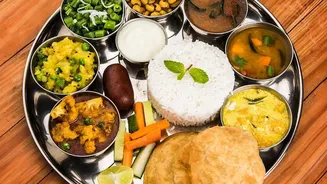
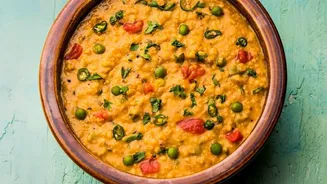
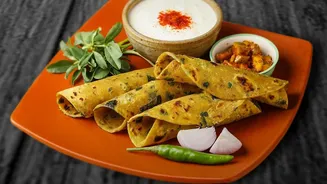
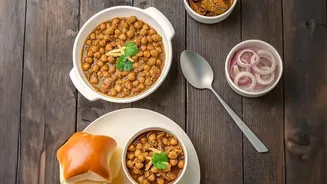
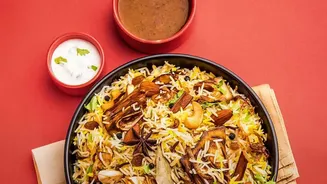
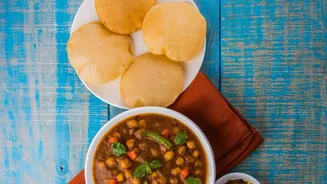
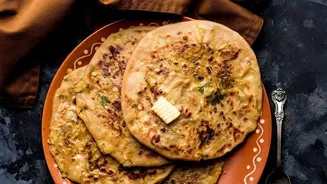
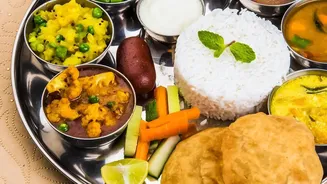
While the overall country ranking is what grabs headlines, the individual dish ratings reveal what global audiences truly love. Indian breads are a standout, with Butter Garlic Naan and Amritsari Kulcha consistently earning top spots and high ratings. In fact, in some lists, Indian breads have been ranked as the best in the world. Other beloved dishes that contribute to India's score include Murgh Makhani (Butter Chicken), Hyderabadi Biryani, Shahi Paneer, and Masala Dosa. Even the foundational spice mix, Garam Masala, is highlighted and highly rated, proving that the world is appreciating the building blocks of Indian flavour. These high individual scores show a deep appreciation for specific Indian tastes, even if the overall average lands at 13th.
An Impossible Task?
A common critique of any such list is that it’s nearly impossible to distill a country’s entire culinary output into a single number. This is especially true for India. The cuisine isn't one monolithic entity; it’s a collection of countless regional food cultures. The food of Kerala is vastly different from that of Punjab, which is different from the food of West Bengal or Gujarat. The TasteAtlas list does acknowledge this to some extent, with regions like Southern India, West Bengal, and Maharashtra also appearing on separate lists of best food regions. However, averaging out thousands of dishes—from street-side chaat to elaborate celebratory meals—will always be a simplification of a complex and deeply layered food identity.
A Celebration of Food
Ultimately, lists like these from TasteAtlas are best seen as a starting point for discussion and discovery rather than a definitive verdict. The annual rankings consistently generate passionate debates online, not just in India but across the globe, as fans rush to defend their national dishes. In previous years, India has ranked as high as fifth, showing how these numbers can fluctuate based on voting trends. The real value of these rankings is their ability to celebrate global food culture, introduce people to new dishes, and remind us all that food is about more than just taste—it’s about history, identity, and pride.