


Often admired for its vibrant colour but misunderstood in the kitchen, fresh beetroot is a versatile and nutritious vegetable. Beyond the familiar pickled slices, this earthy root can be transformed into a stunning array of savoury dishes.
Selection and Mess-Free Prep
When buying
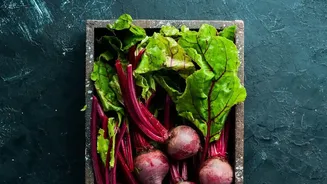
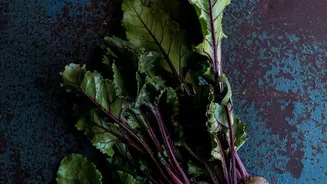
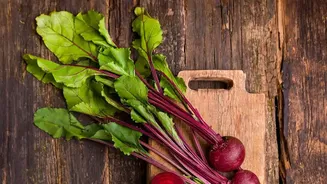
beetroot, choose firm, smooth-skinned globes with their leafy green tops still attached, as this indicates freshness. You can store them in the fridge for several weeks. The main deterrent for many home cooks is the notorious purple stain. To avoid this, wear gloves when handling them. A simple trick is to cook the beetroot whole with the skin on; once cooked and cooled, the skin slides off easily under running water. Using a glass or plastic cutting board can also prevent staining your wooden boards.
Grated Raw for Salads and Raitas
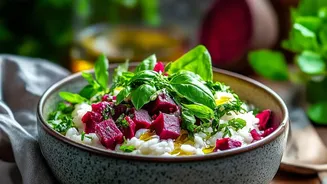
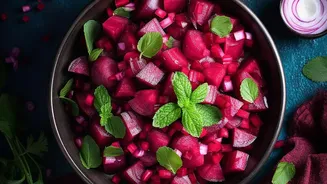
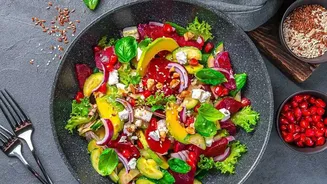
One of the simplest ways to enjoy beetroot is raw. Its crunchy texture and sweet, earthy flavour are a fantastic addition to salads and slaws. Simply peel and grate fresh beetroot using a box grater. For an Indian twist, mix grated beetroot into thick yoghurt with a pinch of roasted cumin powder and salt to create a vibrant raita. This pairs wonderfully with biryanis and pulao. You can also toss raw grated beetroot with carrots, a squeeze of lemon juice, and fresh coriander for a quick and refreshing side salad.
Roasting for Sweetness
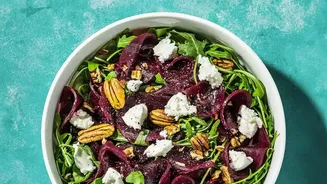
Roasting is perhaps the best method for bringing out beetroot's inherent sweetness. The process caramelises its natural sugars, resulting in a tender, concentrated flavour. To roast, wash the beets, trim the stems, and wrap them individually in foil with a drizzle of olive oil. Bake in a preheated oven at 200°C for about an hour, or until easily pierced with a knife. Once cooled, the skins will peel away effortlessly. Roasted beetroot is delicious on its own, tossed into salads with feta or goat cheese, or served as a side dish.
Mixed into Hearty Soups and Curries
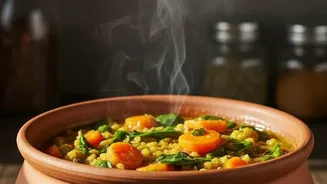
Beetroot can add a beautiful colour and rich, earthy depth to cooked dishes. For a simple and warming soup, sauté onions and garlic, add boiled and chopped beetroot, and blend with vegetable stock until smooth. In Indian cooking, beetroot can be incorporated into various curries. A beetroot pachadi, a South Indian dish with coconut, yoghurt, and tempered spices like mustard seeds and curry leaves, is a popular choice. You can also add diced beetroot to lentil dals or vegetable stews, where it adds a subtle sweetness and a wealth of nutrients.
Blended into Dips and Spreads
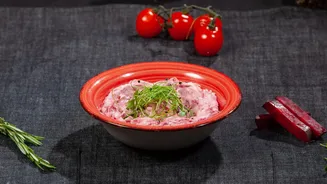
The striking colour of beetroot makes it a showstopper in dips and spreads. Beetroot hummus is a modern classic; simply add a cooked and cooled beetroot to your standard hummus recipe before blending. The result is a stunningly pink dip with an earthy undertone that complements the tahini. Another creative option is a vibrant beetroot tzatziki, where grated roasted beet is mixed into thick Greek yoghurt with garlic, lemon, and dill, offering a sweet twist on the traditional cucumber_based dip.
Beyond the Root: Using Beet Greens
Don't discard the leafy tops of your fresh beetroot. The greens are edible and packed with nutrients, similar to spinach or kale. Wash them thoroughly to remove any grit. The stems can be sautéed with garlic and onions until tender, then the leaves can be added to wilt for a couple of minutes. Season with a pinch of salt and pepper for a simple and healthy side dish, ensuring you use the entire vegetable with minimal waste.