



Introducing the PUFFINS Mission
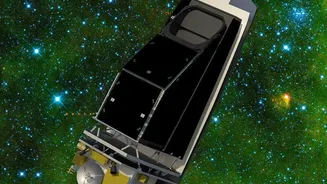
NASA's next venture into the cosmos is a small but mighty satellite with a charming name: PUFFINS. The name is an acronym for 'Polarimetry in the Ultraviolet to Find Features in INterStellar dust'. This mission, part of NASA's Astrophysics Pioneers program,
involves a SmallSat equipped with a 10-inch telescope, roughly the size of a dinner plate. Led by a team at the University of Arizona, the $20 million project is scheduled to launch into low-Earth orbit in 2030. Its primary goal is to observe the ultraviolet light from about 70 different stars, not to study the stars themselves, but to analyze how their light is changed by the interstellar dust it passes through on its way to us.
More Than Just Empty Space
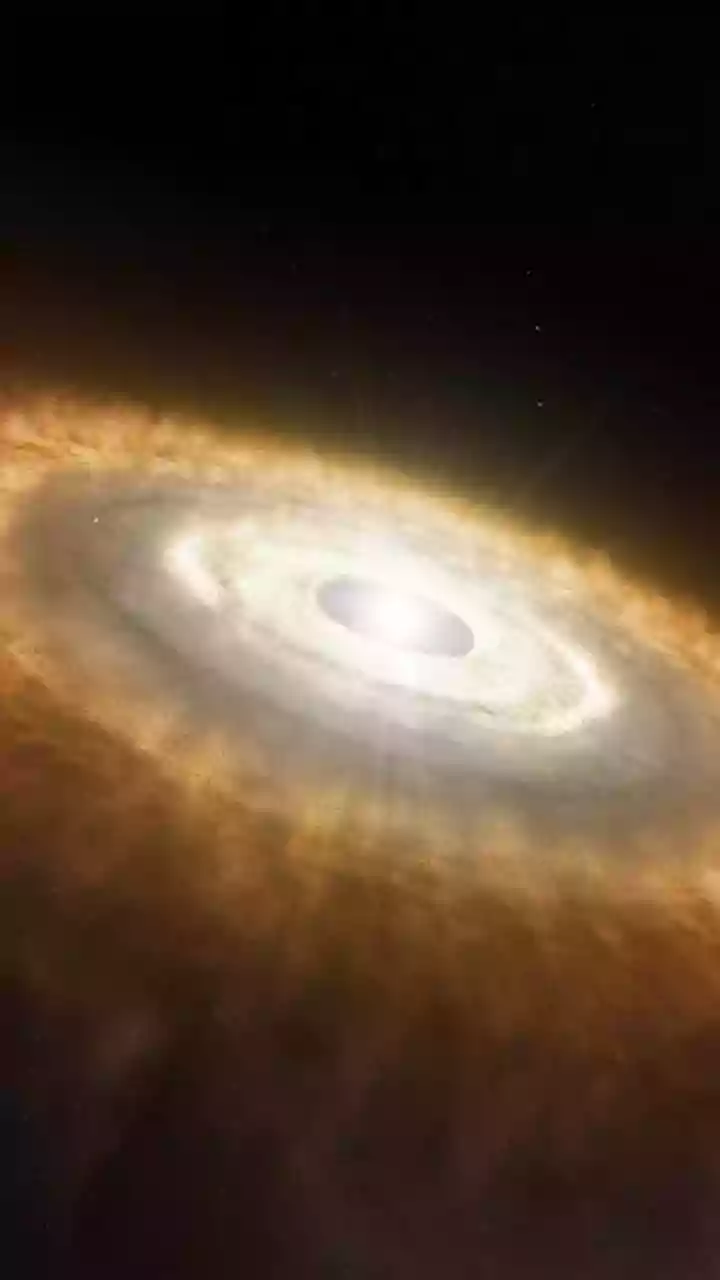
When we look up at the night sky, the darkness between the stars seems like a void. But astronomers have long known this 'interstellar medium' is filled with gas and dust. This isn't like the dust in your house; it’s a collection of tiny particles, some smaller than a virus, composed of elements like carbon, silicon, and oxygen. This dust is incredibly important. It's the raw material from which new stars and planets are born. However, it's also notoriously difficult to study. The dust grains block and scatter visible light, obscuring our view of distant objects like the center of our own galaxy. Yet, these tiny particles are cosmic storytellers, holding clues about the lifecycle of stars and the chemical evolution of the universe.
Using Starlight as a Cosmic Flashlight
So how will PUFFINS study something so small and distant? The mission will employ a technique called ultraviolet spectropolarimetry. It’s a method that hasn't been used in space for this purpose in nearly three decades. The process works by measuring a property of light called polarization, which is essentially the orientation of the light waves. Certain types of dust grains, like silicates, align with the galaxy's magnetic field. When starlight passes through these aligned grains, its polarization is altered. By analyzing these subtle changes across the ultraviolet spectrum, scientists can deduce the dust's size, composition, and structure. This allows them to effectively use distant starlight as a backlight to reveal the properties of the dust in front of it.
Answering the Big Questions
By mapping the properties of this fine dust, PUFFINS will help answer fundamental questions about our cosmos. Since this dust is a critical component in the formation of planetary systems, understanding its composition and behaviour provides essential insights into how planets like Earth—and potentially life—come to be. The elements that make up this dust were forged inside previous generations of stars and scattered across space when those stars died. This means we are, quite literally, made of stardust. Previous missions in the early 1990s studied only about 30 stars using this technique; PUFFINS aims to at least triple that number, filling a significant gap in our knowledge.
Small Satellites, Big Science
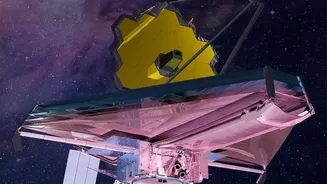
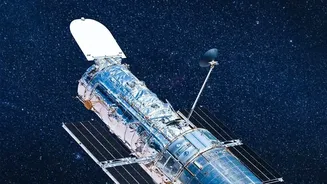
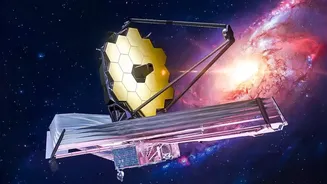
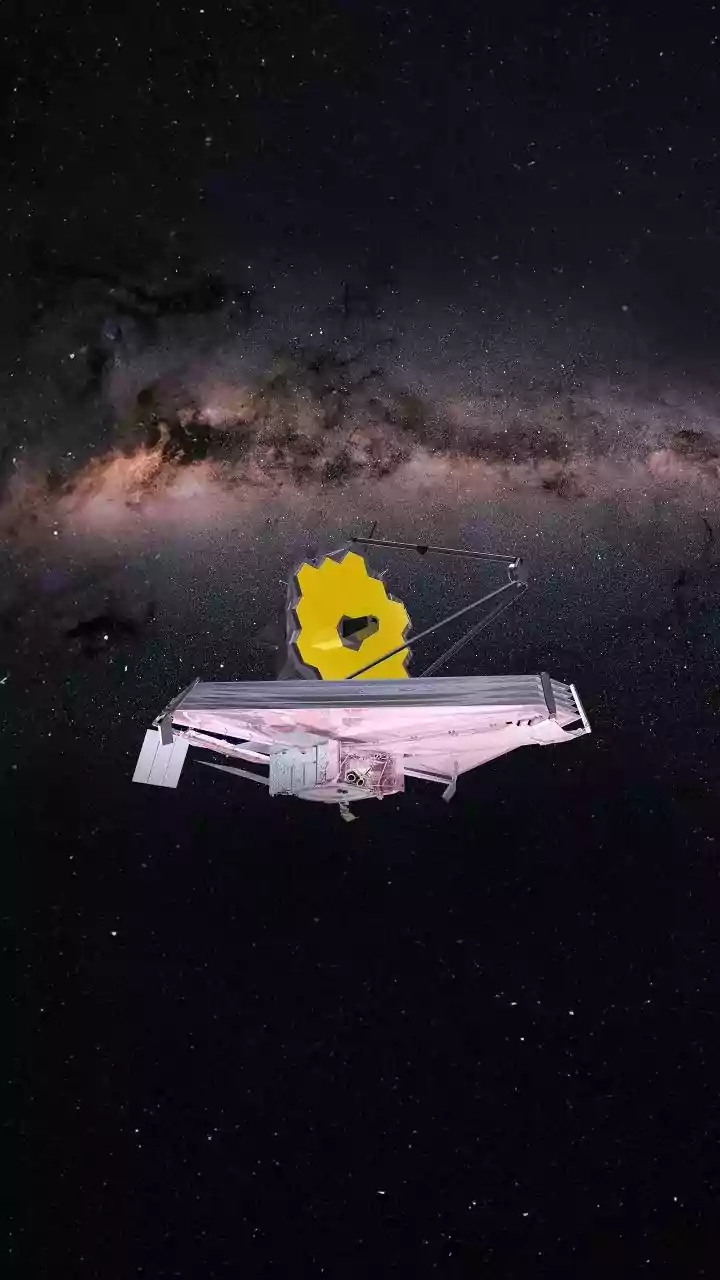
PUFFINS is a prime example of a new trend in space exploration: using smaller, more affordable satellites for highly targeted science. Known as CubeSats or SmallSats, these compact spacecraft can be developed and launched more quickly and at a fraction of the cost of massive flagship observatories like the Hubble or James Webb Space Telescopes. This agility allows NASA's Pioneers program to fund early-career researchers and tackle specific scientific mysteries that might otherwise wait decades for a mission slot. The data gathered by PUFFINS will also serve as a crucial bridge for future flagship projects, like the Habitable Worlds Observatory planned for the 2040s.