







The Problem with 'Wildlife Spectacles'
For years, the promise of getting up close and personal with exotic animals has been a powerful tourist draw. These experiences often fall under the banner of 'wildlife spectacles'—activities designed for human entertainment rather than animal welfare.
This can include riding elephants, posing for selfies with sedated tigers, or swimming with dolphins in cramped enclosures. While these may seem like harmless holiday fun, the reality is often grim. The animals involved are frequently subjected to stressful, unnatural conditions. Practices like baiting—using food to lure animals for better viewing—disrupt natural behaviours and create dependency on humans. In the worst cases, animals are poached from the wild and forced into a life of performance, often controlled through fear and deprivation. The rise of social media has amplified the demand for these photo opportunities, creating a market where the 'perfect shot' is prioritized over the well-being of the subject. Even seemingly benign attractions using terms like 'sanctuary' or 'rescue' can be misleading, sometimes operating with minimal oversight and prioritizing profit over genuine conservation.
A Different Philosophy
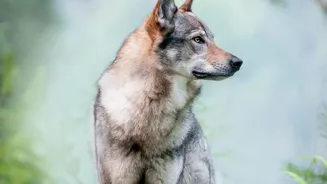
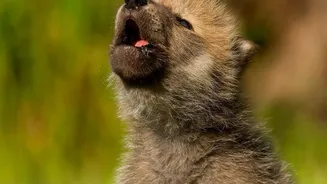
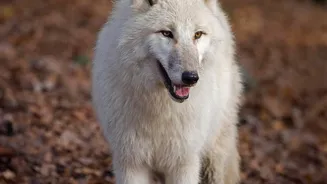
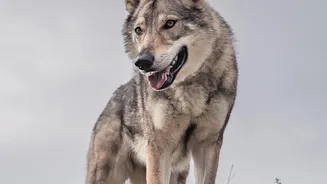
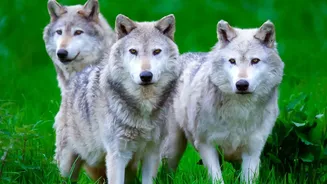
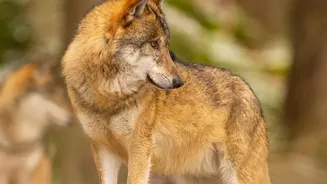
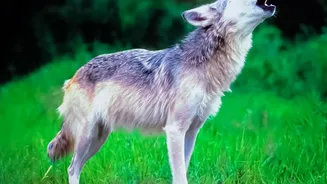
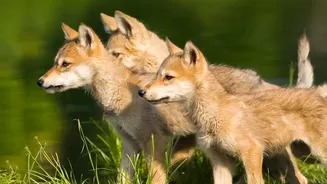
Ethical wolf-watching operates on a fundamentally different principle: observation without interference. The core idea is to witness wolves in their natural habitat, on their terms, without altering their behaviour in any way. This means no touching, no feeding, and maintaining a significant, respectful distance—often hundreds of yards away. Unlike contrived spectacles, legitimate wolf-watching is not about a guaranteed encounter. Instead, it is about immersing oneself in an ecosystem and appreciating the wildness of the animal. Any change in an animal's natural behaviour because of a human presence is seen as a red flag. The experience is passive by design. Guides use powerful spotting scopes and binoculars to bring the wolves into view, allowing people to observe them without intrusion. The focus is on education and contributing to conservation, with many tour proceeds supporting local environmental efforts and demonstrating the economic value of a healthy, intact ecosystem.
Patience and Payoff
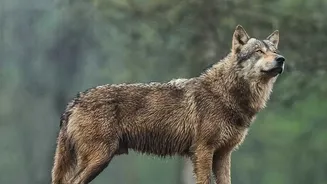
A day spent watching for wolves is a lesson in patience. It often begins before dawn, scanning vast landscapes like Yellowstone's Lamar Valley, often called the 'Serengeti of North America' for its abundant wildlife. Hours can pass with no sign of a wolf. But the process itself becomes part of the adventure—learning to read the landscape, spotting tracks in the snow, and listening to the calls of ravens that might signal a nearby predator. When a wolf finally does appear, the moment is electric. It might be a lone wolf trotting across a distant ridge or an entire pack interacting in the morning light. Because the sighting is earned and not orchestrated, the experience is far more profound. It’s a powerful reminder of what true wildness looks like. Winter is often considered the prime season for wolf-watching, as the snow-covered ground makes the animals easier to spot from a distance.
Choosing the Right Pack
As wolf-watching grows in popularity, so does the need for travelers to make informed choices. To ensure your trip is genuinely ethical, it's crucial to research tour operators thoroughly. Start by visiting their website and social media channels. Look for language that emphasizes respect for wildlife and conservation. Do their photos show tourists keeping a clear distance, or are they promoting close encounters? A responsible operator will be transparent about their practices and affiliations with local conservation authorities. They should also be clear that sightings are not guaranteed. Be wary of any tour that promises a close-up experience. Ask questions before you book: Are the guides trained in wildlife biology or ethics? How do they ensure they don't disturb the animals? Choosing an operator who is scientifically-backed or employs biologists can also be a strong indicator of an ethical approach. By supporting these businesses, travelers send a clear message that there is a strong market for tourism that protects wildlife rather than exploiting it.