



The Crisp: Aloo and Pyaaz Pakoras
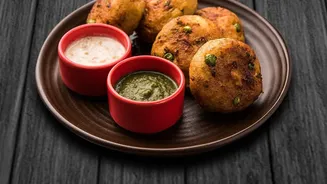
Arguably the king of monsoon snacks, the pakora is a national obsession. These deep-fried fritters, made from a spiced gram flour (besan) batter, are endlessly versatile. Sliced potatoes (aloo) and onions (pyaaz) are the classic fillers, emerging from the hot
oil as golden, irregular shapes of pure joy. Paired with a steaming cup of adrak chai (ginger tea) and a tangy mint chutney, they are the perfect opening act for a rainy evening. The craving for fried foods in the monsoon is a real phenomenon; the heat and crunch offer a sensory counterpoint to the damp weather, and the calories provide a quick energy and mood boost on grey days.
The Soft: Masala Khichdi
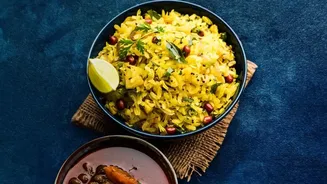
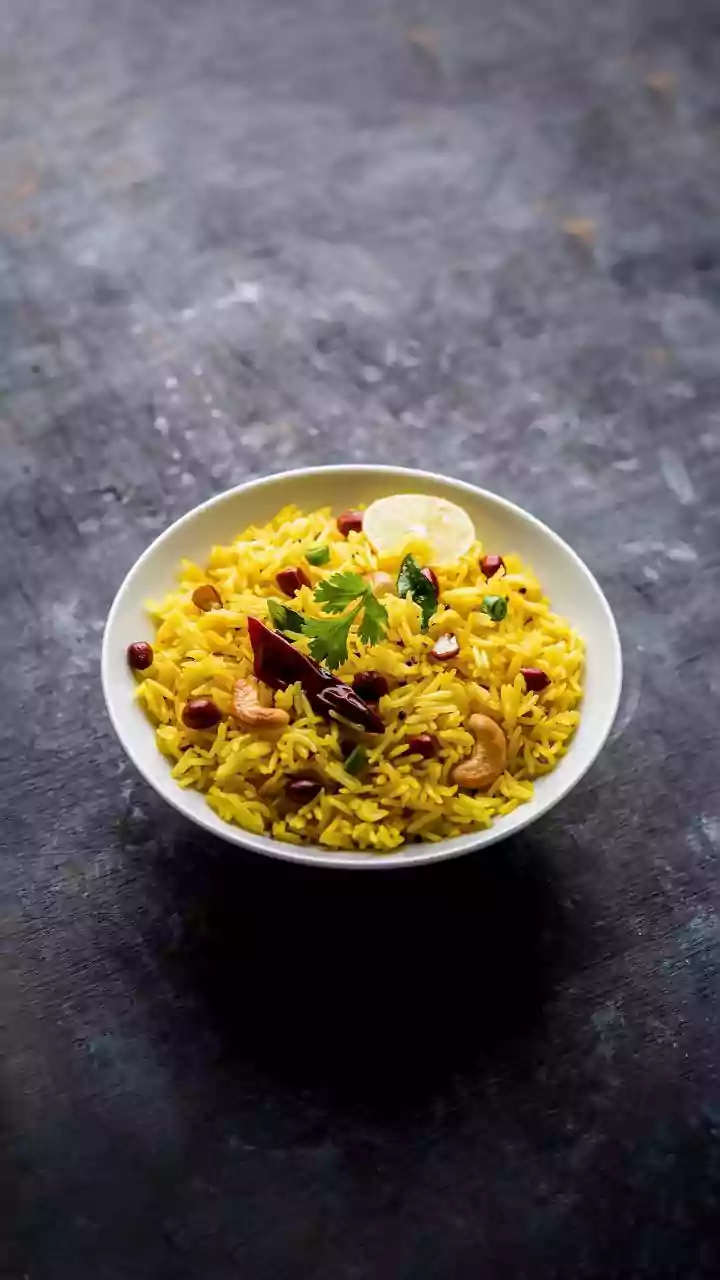
On the other end of the spectrum lies khichdi, the epitome of Indian comfort food. While often associated with convalescence, monsoon khichdi is a celebratory affair. This one-pot dish of rice and lentils is simmered with turmeric, cumin, and a generous dollop of ghee. Unlike its simpler cousin, the monsoon version is often studded with vegetables and fragrant with whole spices. It’s warm, nourishing, and incredibly easy on the digestive system, which can be sluggish during the humid season. A bowl of hot khichdi, served with a side of yogurt or a tart pickle, feels like a warm hug from the inside.
The Crisp: Samosas
If pakoras are the impromptu snack, samosas are their more structured, regal cousins. These triangular pastries, with a history tracing back to Central Asia, are a street-food icon in India. The flaky, crispy shell gives way to a savoury filling of spiced potatoes and peas, a combination that has won hearts for centuries. Enjoyed piping hot, their crunch is immensely satisfying. Like other fried snacks, they answer a deep-seated craving for warmth and textural contrast that the monsoon brings. They are a staple at gatherings and tea stalls, often appearing just as the skies turn dark.
The Soft: Kadhi Chawal
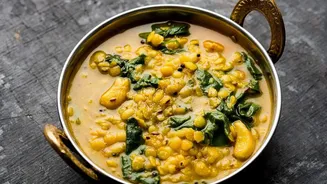
Kadhi is a slow-simmered, yogurt-based curry, thickened with gram flour and tempered with spices like mustard seeds and curry leaves. It has a unique tangy and slightly sour flavour that is both refreshing and deeply comforting. Often, small pakoras (known as pakodi) are floated in the kadhi, creating a delightful textural play of soft and softer. Poured over a mound of fluffy steamed rice (chawal), Kadhi Chawal is a beloved rainy-day meal across many parts of North and West India. It's the kind of soulful food that perfectly complements a lazy, rain-soaked afternoon.
The Crisp: Bhutta
The smell of roasting corn on the cob, or bhutta, is synonymous with the Indian monsoon. As the rainy season begins, street vendors appear with their portable charcoal grills, expertly charring corn over hot coals. The kernels are smoky, slightly chewy, and sweet. The experience is completed when the vendor vigorously rubs the hot cob with a mixture of salt, chili powder, and a generous squeeze of lime juice. It’s a snack that is both rustic and sublime, enjoyed right off the grill while standing under an umbrella. Since it is roasted right in front of you, it is often considered a safer street-food choice during the monsoons.
The Soft: Masala Chai
While technically a beverage, no monsoon food list is complete without Masala Chai. This isn't just tea; it's a ritual. Black tea is brewed with milk, sugar, and a potent blend of warming spices like ginger, cardamom, cloves, and black pepper. The spicy aroma alone is enough to chase away the monsoon chill. A hot cup of chai provides warmth and comfort, making it the perfect companion to both crispy pakoras and a good book. For many, the rain itself is an invitation to put the kettle on.