





Embrace the Power of Seasonal
The golden rule of saving money on produce is simple: buy what's in season. Seasonal vegetables are harvested at their peak, which means supply is high and prices are low. They're also fresher and more flavourful. Keep an eye on what your local sabziwala
has in abundance. During monsoon, this might mean gourds like lauki and tinda, while winter brings a bounty of carrots, peas, and cauliflower. Shopping at local mandis or weekly markets instead of supermarkets can further reduce costs by cutting out middlemen and other overheads.
Swap Exotic Imports for Local Heroes
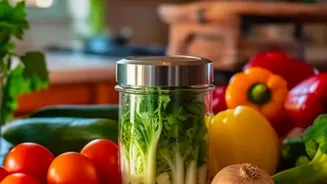
Trendy imported vegetables like broccoli, zucchini, and asparagus often come with a hefty price tag due to import costs. The good news is that local Indian vegetables often offer similar or even superior nutritional benefits for a fraction of the cost. Instead of broccoli, try cauliflower (gobi), which is also a cruciferous vegetable packed with nutrients. Swap expensive zucchini for local gourds like bottle gourd (lauki), ridge gourd (turai), or chayote squash (chow-chow) in curries and stir-fries. These local alternatives are versatile and absorb flavours beautifully in traditional Indian cooking. Similarly, instead of pricey lettuce, use fresh spinach (palak) in salads for a nutrient-dense alternative.
Rethink Your Leafy Greens
While spinach and kale are popular choices, India has a vast variety of local leafy greens that are both affordable and incredibly nutritious. Fenugreek leaves (methi), amaranth leaves (chaulai), and mustard greens (sarson ka saag) are packed with iron, vitamins, and minerals. These greens can be used in a wide range of dishes, from dals and sabzis to parathas. They are often sold in large bunches at local markets for very reasonable prices, providing excellent value. Exploring these traditional greens not only saves money but also adds a new dimension of flavour and nutrition to your meals.
Add Colour Without the Cost
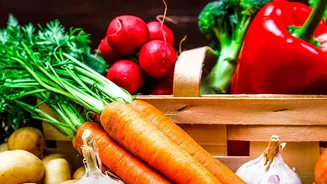
Red and yellow bell peppers can make a dish visually appealing, but they can also be expensive, especially out of season. To add a pop of colour and a wealth of nutrients without breaking the bank, turn to other vibrant vegetables. Carrots are a fantastic, low-cost option that adds sweetness and a bright orange hue. When in season, tomatoes are an indispensable and affordable way to add red to your curries and sauces. For a dash of purple, consider using red cabbage in salads and stir-fries, which is often more budget-friendly than its colourful pepper counterparts.
Get Creative with Root Vegetables
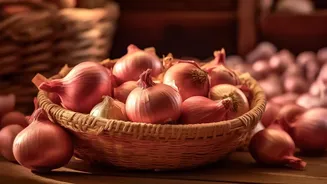
Potatoes, onions, and tomatoes are the foundation of many Indian dishes, but their prices can be notoriously volatile. While they are often staples, it pays to explore other root vegetables that are consistently affordable and versatile. Sweet potatoes (shakarkandi), yams (suran), and colocasia root (arbi) are excellent, nutrient-dense options. They can be roasted, boiled, or used in curries, providing a hearty and filling element to any meal. These humble roots are packed with complex carbohydrates, fibre, and essential vitamins, making them a smart and economical choice for family meals.
Don't Forget Dals and Pulses
When vegetable prices are particularly high, stretching your meals with dals, pulses, and legumes is a classic Indian strategy. Chickpeas (chana), kidney beans (rajma), and various lentils are inexpensive sources of protein, fibre, and essential nutrients. They can be the star of a dish, like in chana masala or dal makhani, or be used to bulk up vegetable curries, making them more filling and nutritious. Using a mix of vegetables and pulses helps you reduce the quantity of more expensive ingredients while ensuring a satisfying and balanced meal.