







A Landmark Shipment Takes Flight
On July 30, a significant event in Indian agricultural trade took place. The first-ever air shipment of mangoes from Karnataka, a one-metric-tonne consignment, was flagged off to the Maldives. Facilitated by the Agricultural and Processed Food Products
Export Development Authority (APEDA), this wasn't just another export. It was a calculated move to test and promote the international market potential of specific late-season mango varieties, a development that could reshape the calendar for mango aficionados worldwide. The shipment contained two well-known, yet often domestically focused, varieties: Neelam and Totapuri. Sourced directly from farmers in the Kolar district, this initiative marks a new chapter in connecting Karnataka's orchards directly to foreign consumers.
Meet the Late-Season Stars
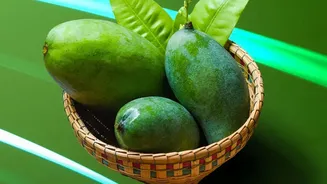
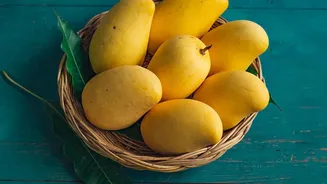
While famous varieties like Alphonso and Kesar dominate the peak export window from April to June, the season doesn't have to end there. This is where Neelam and Totapuri come in. These varieties are harvested from late June through the end of July, offering a natural extension to India's mango export capabilities. The Neelam mango is prized for its vibrant aroma and sweet, juicy pulp, making it perfect for desserts and beverages. Totapuri, easily recognised by its distinctive parrot-beak shape, offers a delightful sweet-and-tangy flavour profile that makes it versatile for both eating fresh and for processing into pulp and other products. By focusing on these varieties, exporters can cater to international demand long after the main season has concluded, filling a crucial gap in the market.
A Game-Changer for Farmer Incomes
Beyond extending the season, this new export model offers a substantial financial windfall for farmers. The mangoes for this shipment were sourced from growers associated with the Prakruthimaya Farmers Producer Company (FPC), a collective that allows for organized aggregation and quality control. This direct link to the export market, bypassing multiple layers of middlemen, resulted in farmers earning over 50% higher returns compared to selling their produce in conventional domestic channels. This is particularly significant for farmers in the Kolar region, who had recently struggled with disappointingly low prices for the Totapuri variety in local markets. The initiative also highlighted the growing role of women in the sector, with the shipment handled by Ahalya Devi Ventures, a firm led by a newly registered woman entrepreneur.
The Crucial Role of Air Freight
Getting perishable fruit like mangoes to international markets in prime condition is a race against time, and air freight is the key. While sea freight is more economical, the long transit times are unsuitable for highly perishable goods, especially those destined for distant, high-value markets. For exports to countries like the United States, mangoes must undergo mandatory irradiation treatment to meet phytosanitary standards, which neutralises pests but also adds a step to the logistics chain. Air cargo ensures these treated fruits arrive quickly, preserving their freshness, flavour, and aroma. This shipment to the nearby Maldives served as a perfect, small-scale trial for the logistics involved in getting late-season varieties from the farm to a foreign tarmac, proving the viability of the supply chain.
Blueprint for the Future
This first air shipment is more than a one-off success; it's a blueprint for the future of Indian horticulture. APEDA officials noted that such initiatives are vital for creating new export opportunities and contributing to sustainable income growth for farmers. The success demonstrates how Farmer Producer Companies can empower small growers by connecting them directly to the global marketplace, ensuring better quality control and higher profits. For Karnataka, a major mango-producing state, this opens up exciting possibilities. By leveraging its diverse portfolio of mango varieties and investing in modern logistics, the state can solidify its position in the global market. The model encourages a more strategic approach: Grade A fruit for export, Grade B for domestic markets, and Grade C for processing, ensuring every part of the harvest generates value.