





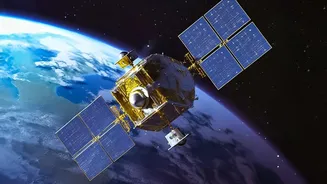
What Makes a Satellite ‘Smart’?
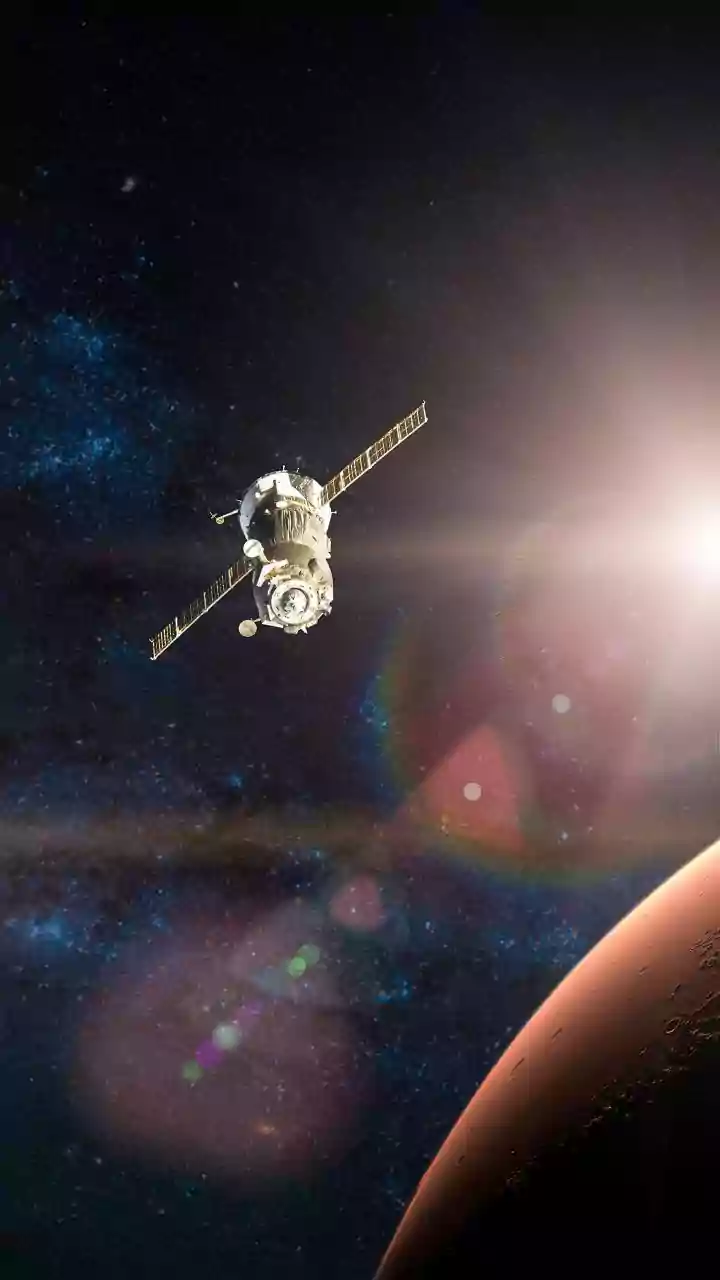
For decades, satellites have been sophisticated but largely passive, following detailed instructions sent from ground control. A “smart” satellite, however, is a leap forward. It’s an autonomous machine that thinks for itself. This intelligence comes
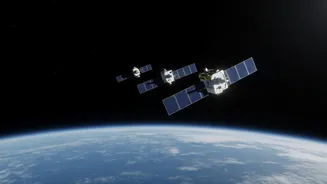
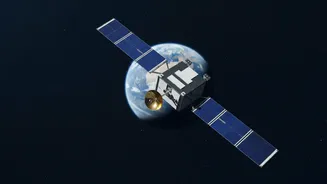
from integrating artificial intelligence (AI), machine learning (ML), and powerful onboard computers, a concept known as edge computing. Instead of waiting for commands from Earth—a process that can introduce critical delays—these satellites can analyse data, make decisions, and act on them in real-time. This shifts them from being remote-controlled tools to independent operators capable of handling complex tasks directly in orbit. This autonomy is no longer a luxury but a necessity for modern space missions.
Why Autonomy Is Suddenly Crucial
The push for smarter satellites is driven by two main factors: congestion and data overload. With companies launching thousands of satellites for global internet services, the risk of collision with other spacecraft or space debris is dangerously high. Relying on human operators on the ground to manually plot avoidance manoeuvres for every potential threat is becoming impossible. AI-powered systems can predict collision risks and execute evasive actions automatically, a task some Starlink satellites already perform. The second challenge is the sheer volume of information modern satellites collect. An Earth observation satellite can generate terabytes of data daily, far more than can be efficiently sent back to Earth due to bandwidth limitations. It's like trying to download a mountain of files through a slow internet connection. Smart satellites solve this by processing data onboard, filtering out irrelevant information (like cloudy images), and sending back only the valuable insights.
The Daily Decisions of an AI Satellite
What does this onboard intelligence look like in practice? An autonomous satellite makes several key decisions without human intervention. The most critical is collision avoidance. It also performs self-maintenance, monitoring its own systems for signs of failure and adjusting operations to prevent problems. Furthermore, smart satellites manage their resources efficiently, like optimising power consumption by adjusting solar panels. For observation missions, they make intelligent choices about what to capture. For instance, NASA's Dynamic Targeting AI can analyze whether a target area is obscured by clouds and decide in seconds whether to take a picture or save its resources for a better opportunity. This onboard data triage significantly reduces the amount of useless data sent to Earth, saving time and money.
India’s Drive in Autonomous Space Tech
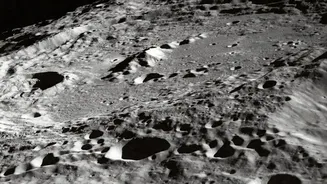
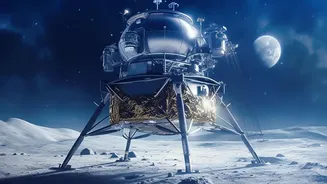
Global players like NASA and SpaceX are major drivers of this trend, but India is making significant strides as well. The Indian Space Research Organisation (ISRO) is actively developing AI and ML solutions for its missions. This technology was instrumental in the historic Chandrayaan-3 mission, where AI-powered systems helped the lander detect hazards and achieve a safe touchdown on the Moon's south pole. Looking ahead, ISRO plans to launch a fleet of AI-powered satellites for enhanced geo-intelligence and border surveillance. The organisation is also developing systems for autonomous spacecraft docking and multi-object tracking to manage the increasingly complex space environment. These efforts signal India's commitment to becoming a leader in the next generation of space technology, where autonomy and intelligence are key to strategic advantage.
The Future Is Autonomous, But Not Without Risks
The future of space is a vast, interconnected network of intelligent satellites working in concert. This will enable entirely new capabilities, from more resilient global communications to autonomous deep-space exploration. However, giving machines decision-making power in orbit is not without challenges. The primary concerns are cybersecurity and software reliability. A bug in an autonomous navigation system or a malicious hack could have catastrophic consequences, potentially leading to mission failure or even a collision that creates more space debris. Updating software on a satellite hundreds of miles away is far more complex than updating an app on your phone. Therefore, developing robust, secure, and trustworthy AI is just as important as building the satellite itself as we move toward a future where routine decisions in orbit are made by machines.