






The Magic of a Monsoon Trek
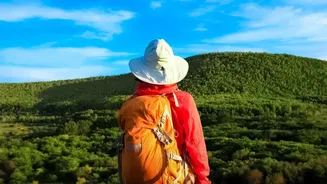
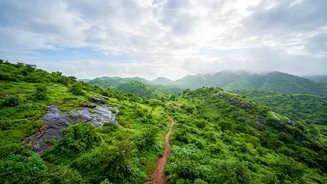
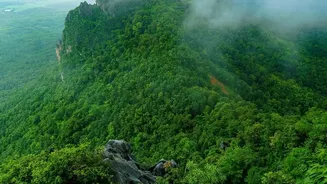
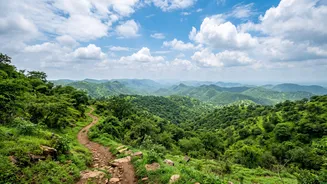
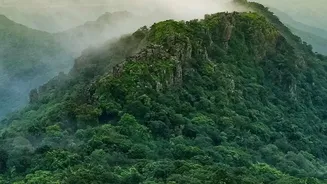
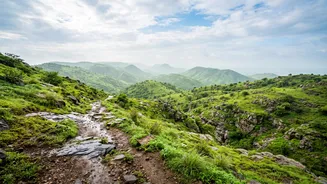
The appeal of trekking around Jaipur between July and September is undeniable. The oppressive summer heat gives way to cooler, more pleasant temperatures, and the landscape comes alive. Hillsides that are barren for most of the year sprout lush foliage,
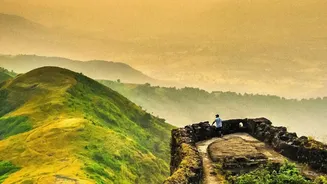
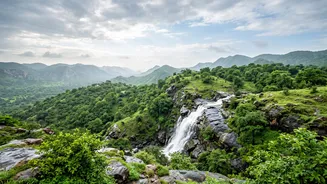
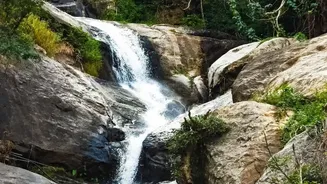
and seasonal waterfalls appear, creating stunning photo opportunities. Treks to spots like Nahargarh Fort offer dramatic, misty views of the Pink City often veiled in clouds, an experience starkly different from the usual sun-baked vistas. For many locals and adventurers, this is the prime time to explore the outdoors, as popular sites are less crowded than in the peak winter tourist season. The air is fresh, the scenery is breathtaking, and the entire region feels renewed.
A Reality Check on Rainy-Season Risks
While the beauty is captivating, monsoon trekking demands caution. The same rains that bring the hills to life also create hazards. Slippery rocks and muddy paths are the most common challenges, significantly increasing the risk of falls and sprains. Trails can become difficult to trace, and small streams can swell unexpectedly after a heavy downpour, potentially cutting off routes. It's crucial to check weather forecasts before heading out and to avoid trekking during or immediately after heavy rainfall. Additionally, the damp conditions lead to an increase in insects and the possibility of encountering leeches in densely forested areas. Being aware of these risks is the first step toward a safe and enjoyable trek.
Recommended Monsoon Trails
Several trails around Jaipur are particularly rewarding during the monsoon, provided you take precautions. The Hathni Kund trek is a local favorite, leading to a seasonal waterfall that is in its full glory during the rains. The trail, starting from Charan Mandir near Nahargarh, is relatively easy and well-trodden, making it suitable for beginners and families, though sturdy footwear is a must. The Bhuteshwar Nath Mahadev trek is another excellent option, offering a rugged path through the Aravallis to an ancient temple. For those seeking panoramic city views wrapped in monsoon clouds, the classic hike up to Nahargarh Fort from Purani Basti is unbeatable. Finally, the Saan Valley Trek near Kukas offers a more offbeat experience through butterfly-filled meadows and rocky paths, best undertaken with a guide as it's less marked.
Essential Gear for Your Trek
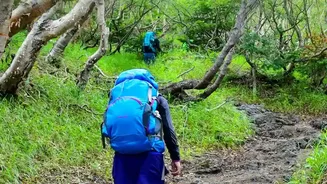
Packing correctly is non-negotiable for a monsoon trek. Your most important piece of gear is your footwear; choose waterproof trekking shoes with deep lugs for superior grip on slippery surfaces. A lightweight, breathable raincoat or poncho is essential to stay dry and comfortable. To protect your electronics and other valuables, use waterproof bags or dry sacks. It's also wise to carry a basic first-aid kit, insect repellent, and enough drinking water, as dehydration can still be a risk in the humidity. Carrying a trekking pole can provide extra stability on tricky descents. Finally, pack an extra pair of dry socks; changing into them during a break can make a world of difference for your comfort and foot health.
Your Monsoon Safety Checklist
Before you set out, run through this final safety checklist. First, always check the weather forecast from a reliable source like the IMD; postpone your trek if heavy rain is predicted. Second, inform a friend or family member of your planned route and expected return time. Third, it's always safer to trek in a group rather than alone, especially on less-trafficked trails. While on the trail, walk at a steady pace, test your footing before putting your full weight on rocks, and stay on marked paths. Avoid crossing swollen streams and be mindful of your surroundings, especially near cliff edges. If the weather takes a turn for the worse, do not hesitate to turn back. Your safety is always more important than reaching the destination.