
Delhi: A Rich Mughal Legacy
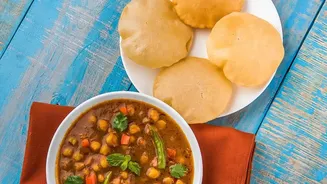
The nation's capital is a paradise for food lovers, where history is served on every plate. Delhi's street food is deeply influenced by its Mughal past, a legacy evident in its rich, aromatic, and complex flavour profiles. Dishes like chole bhature are
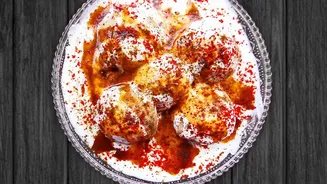
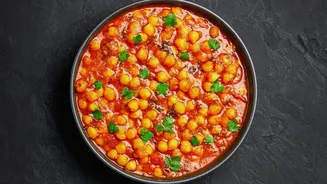
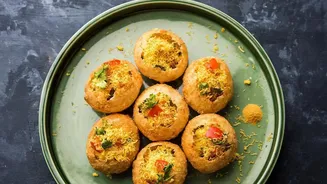
a quintessential Delhi experience; the spicy chickpea curry and large, fluffy fried bread are a breakfast staple. What makes Delhi's version stand out are the specific spice blends, often featuring tangy dried mango powder and pomegranate seeds, which give the chole its signature dark colour and intense flavour. Similarly, the city’s chaat, from aloo tikki to dahi bhalla, is an explosion of sweet, sour, and spicy notes. The vendors, many of whom have operated for generations in places like Chandni Chowk, use family-secret masalas and freshly prepared chutneys that cannot be replicated elsewhere, grounding the city's food identity in centuries-old traditions.
Mumbai: The Pulse of Fast-Paced Flavour
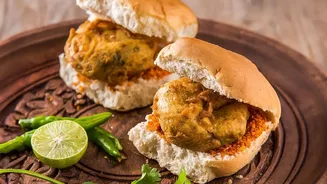
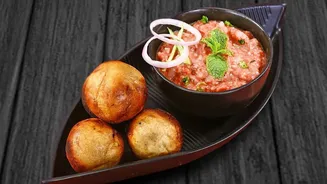
Mumbai's street food is a reflection of its energetic, on-the-go culture. Here, convenience meets unforgettable taste. The undisputed king is the vada pav, often called the Indian burger. It’s a simple concept—a spiced potato fritter (vada) tucked into a soft bread bun (pav)—but its genius lies in the details. The vada is seasoned with mustard seeds, turmeric, and coriander, while the pav is slathered with a trio of chutneys: a tangy tamarind, a fresh mint and coriander, and a fiery dry garlic powder chutney that provides a pungent kick. Another icon, pav bhaji, features a medley of mashed vegetables cooked in a rich, buttery, and spicy gravy, served with soft, toasted buns. These dishes were born out of a need for quick, affordable, and filling meals for the city's mill workers, and their enduring popularity is a testament to their perfectly balanced, robust flavours that fuel the city.
Kolkata: A Confluence of Cultures
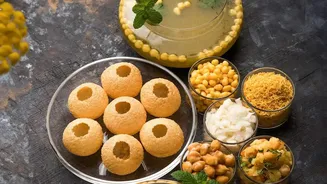
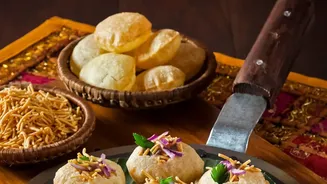
Known as the cultural capital, Kolkata's street food is as poetic and diverse as the city itself. The flavours here are distinct, often marked by the sharp, pungent taste of mustard oil and a unique balance of sweet and savoury. The kathi roll, Kolkata's signature wrap, originated here and features juicy kebabs or paneer tucked into a flaky paratha, layered with onions and sauces. However, the city's soul is perhaps best captured by puchka. While similar to panipuri found elsewhere, Kolkata's version is distinct. The puris are typically made with whole wheat flour, making them crispier, and the filling consists of a spicy mash of potatoes and chickpeas, all dipped in a tangy tamarind water that is notably more tart and spicy than its counterparts. This regional variation, along with snacks like jhalmuri, showcases a blend of Bengali, Mughlai, and even British culinary influences that give the city its unique foodie credentials.
The Hyper-Local Secret Ingredients
The true strength of India's street food reputation lies in ingredients and techniques that are fiercely local. It’s not just about using spices, but about how they are blended, roasted, and ground by each vendor to create a signature masala. The chutneys are made fresh daily, with tamarind, mint, and coriander forming the holy trinity of tangy, fresh, and spicy condiments that cut through the richness of fried foods. The choice of flour is also critical; besan (chickpea flour) provides a nutty, crispy coating for pakoras, while a specific mix of whole wheat (atta) and refined flour (maida) gives bhature its characteristic stretch and fluffiness. These subtle but significant local choices in ingredients and preparation are what elevate a simple snack into a world-famous culinary experience, creating flavours that are impossible to truly replicate outside their city of origin.