






Embrace Strategic Meal Prep
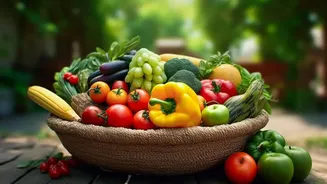
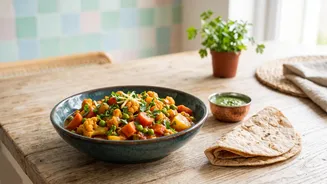
The key to stress-free monsoon cooking is planning. Dedicate a couple of hours on the weekend to meal prep. This doesn't mean cooking full meals for the week. Instead, focus on creating building blocks. Chop vegetables like carrots, beans, and capsicum
and store them in airtight containers. Make a large batch of ginger-garlic paste. You can also prepare a basic onion-tomato gravy that can serve as a base for multiple curries. Having these components ready drastically cuts down cooking time on busy weekdays, making it easier to whip up a fresh, hot meal like a quick vegetable pulao or a simple dal fry.
Master the 30-Minute Monsoon Meal
When you're short on time, one-pot meals are your best friend. Dishes like moong dal khichdi are light on the stomach, easy to digest, and incredibly comforting on a rainy day. They require minimal effort and can be made wholesome by adding assorted vegetables. Other quick options include upma, poha, and vegetable-loaded dals that can be pressure-cooked in minutes. These meals are not only quick but also align with the monsoon principle of eating light, warm food that supports digestion, which tends to be sluggish during this season.
Shop Smart to Beat the Damp
High humidity during the monsoon can make fresh produce spoil faster and dry ingredients clump together. Avoid buying vegetables and fruits in bulk. Instead, make more frequent trips for smaller quantities to ensure freshness. When storing staples like flour, lentils, and spices, use airtight containers to keep moisture out. It’s also wise to thoroughly wash all produce, especially leafy greens, under running water. Some experts recommend a quick soak in salt water to help remove dirt and germs that are more prevalent during this season.
Focus on Immunity-Boosting Ingredients
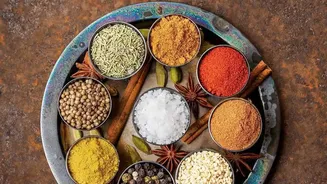
The monsoon is notorious for bringing a wave of seasonal infections. Fortify your meals with ingredients known for their immunity-boosting properties. Ginger, garlic, and turmeric are anti-inflammatory powerhouses that can be easily added to almost any Indian dish. Black pepper not only adds flavour but also helps the body absorb the benefits of turmeric more effectively. Incorporating vitamin C-rich foods like amla, lemons, and oranges can also help strengthen your body's defences. A simple habit like starting your day with a warm herbal tea made with ginger and tulsi can make a significant difference.
Hydrate Intelligently and Safely
While you may not feel as thirsty due to the cooler weather, staying hydrated is crucial. However, waterborne diseases are a major concern during the monsoon. Always drink boiled, filtered, or purified water. Warm fluids are particularly beneficial. Opt for herbal teas, clear soups like rasam, or simply warm water with a squeeze of lemon. These not only keep you hydrated but also help soothe the digestive system and keep infections at bay. Be cautious of ice from unknown sources, as it's often made with untreated water.
Rethink Your Street Food Cravings
The craving for hot, crispy street food like pakoras and samosas intensifies with the rain. While tempting, street food carries a higher risk of contamination during this season due to exposure to flies and unclean water. Instead of giving in, try making healthier versions at home. You can bake samosas instead of frying them, or use an air fryer for pakoras to cut down on oil. Preparing snacks like sweet corn chaat or steamed dhokla at home ensures both hygiene and taste, allowing you to indulge your monsoon cravings safely.