
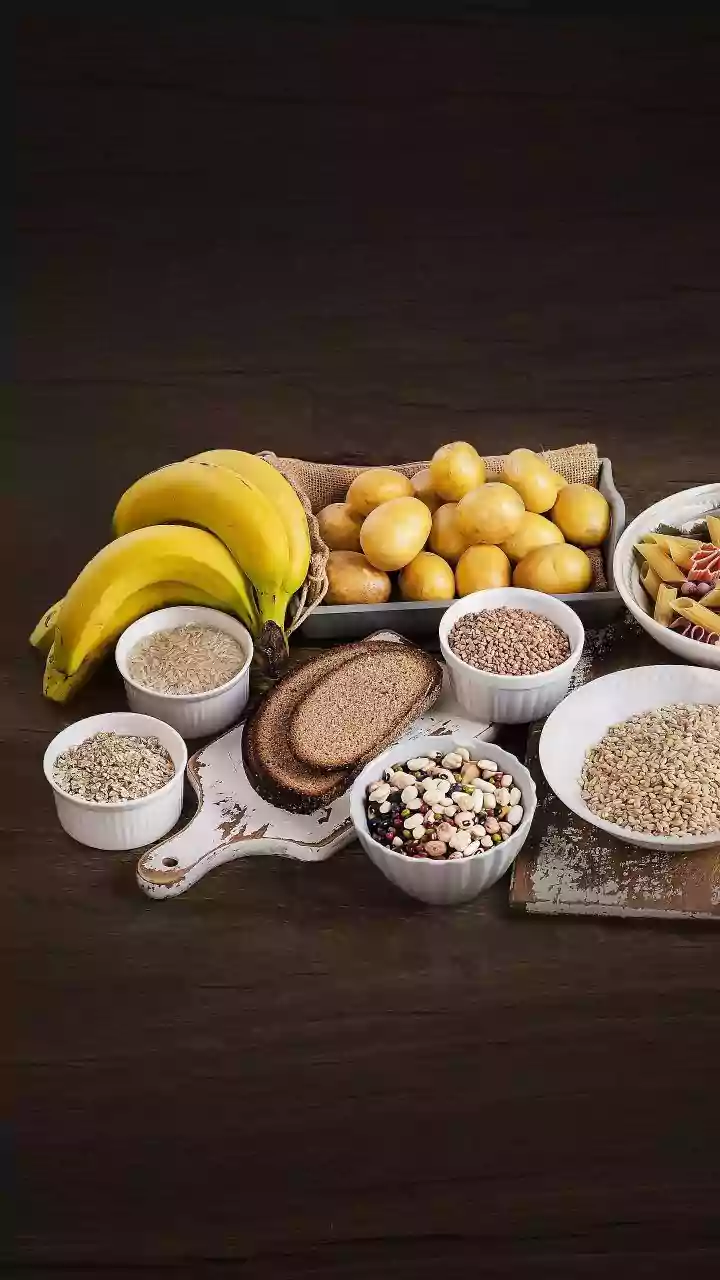






As married women prepare for Karwa Chauth on October 29, 2026, the pre-dawn meal, or Sargi, is crucial. A smart Sargi that pairs protein with fibre can provide sustained energy and make the day-long nirjala fast a smoother experience.
The Purpose of a Powerful Sargi
Sargi is the traditional
meal eaten before sunrise to begin the Karwa Chauth fast. Given that the fast is typically 'nirjala' (without water), this meal is the only source of energy and hydration until moonrise, which can be over 13 hours later. An ideal Sargi isn't about eating a large volume of food; it's about choosing the right combination of nutrients. The goal is to feel full, hydrated, and energised for a prolonged period. A well-planned thali can help prevent common fasting-related issues like headaches, fatigue, and acidity. The tradition, often led by the mother-in-law, is a gesture of love and care, providing the physical and emotional strength needed for the day.
The Science: Why Protein and Fibre Work Together
Combining protein and fibre is a nutritionally sound strategy for any long-duration fast. Protein is known for promoting satiety, meaning it helps you feel fuller for longer. This reduces hunger pangs significantly throughout the day. Foods like paneer, curd (yogurt), and nuts are excellent sources. Fibre, particularly the complex carbohydrates found in whole grains and fruits, slows down digestion. This leads to a gradual and steady release of energy, preventing the sharp blood sugar spikes and subsequent crashes that can be caused by sugary or refined foods. Together, this combination provides lasting energy and fullness, making it the perfect foundation for your Sargi.
Protein-Packed Foods for Your Thali
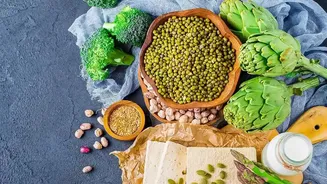
Incorporating adequate protein into your Sargi is essential for sustained energy. Paneer (Indian cottage cheese) is a fantastic choice; a lightly spiced paneer bhurji (scramble) is easy to digest and very filling. Curd or Greek yogurt is another excellent option, providing both protein and hydration while being cooling for the system. A handful of nuts like almonds and walnuts offers healthy fats and protein, delivering dense energy. Soaking them overnight can make them easier to digest. You can also consider adding legumes, such as a small bowl of warm, lightly spiced kala chana (black chickpeas), which are packed with both protein and fibre.
Fibre-Rich Choices for Lasting Fullness
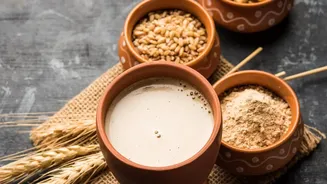
Fibre provides the slow-burning fuel needed for the day. Whole-wheat roti or a stuffed paratha (using fillings like paneer or vegetables) is a classic Sargi staple that provides complex carbohydrates. Oats or daliya (cracked wheat) cooked as porridge offer a warm and comforting source of fibre. Fresh fruits are a non-negotiable part of a smart Sargi, delivering fibre, natural sugars for initial energy, and vital hydration. Apples, bananas, pomegranates, and papayas are all great choices. They are gentle on the stomach and help replenish fluid reserves before the nirjala fast begins.
Building the Perfect Sargi Plate
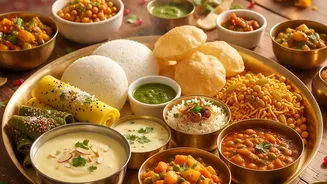
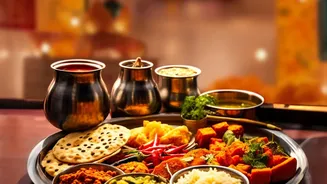
A balanced Sargi thali combines these elements thoughtfully. Start with pre-hydration by drinking a glass of water or coconut water. For the meal, you might have one whole wheat paneer paratha with a bowl of curd. Add to that a small bowl of mixed fruits like pomegranate and apple. A few soaked almonds and a couple of dates can provide healthy fats and natural sweetness. Traditional sweets like pheni or seviyan in milk can be included, but in small portions to avoid a sugar crash. The key is balance, not volume. It is also crucial to avoid overly oily, spicy, or salty foods like pickles and fried snacks, as they can cause acidity and increase thirst during the day.