





The Cardio Question: Speed vs. Stillness
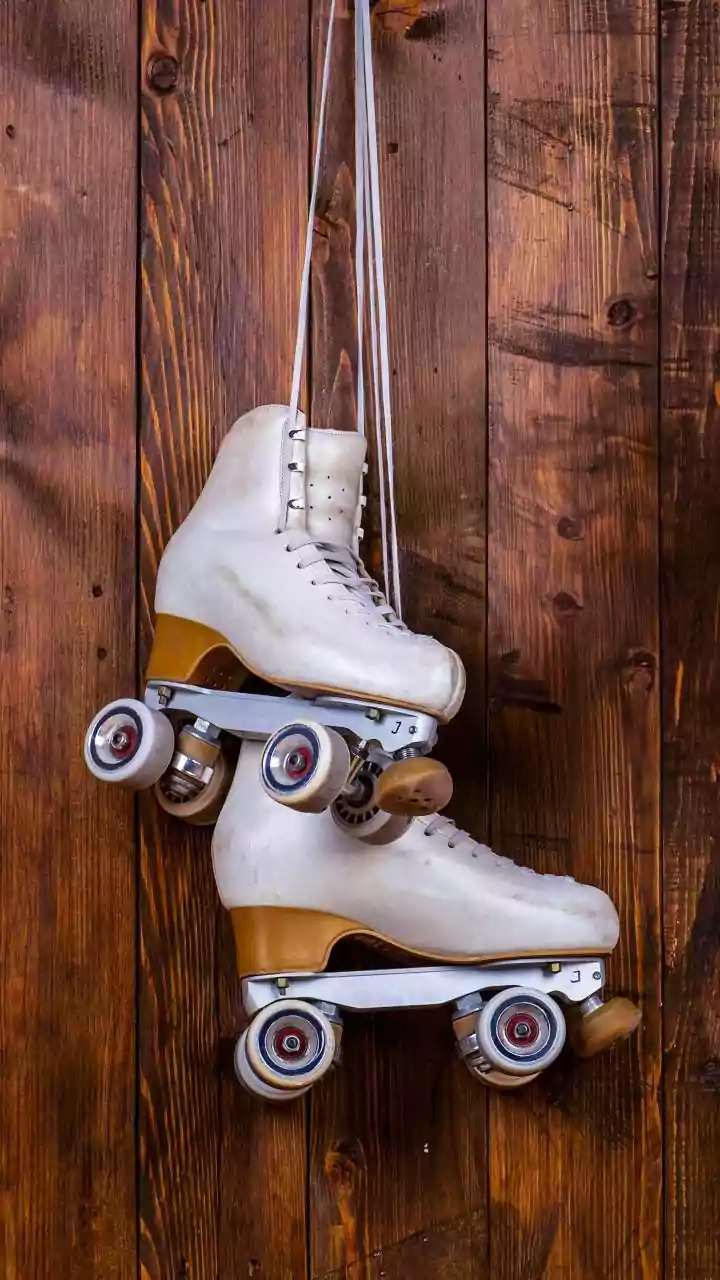
When it comes to heart health, roller skating takes an early lead. The American Heart Association recognizes skating as an effective aerobic exercise that strengthens the heart and improves circulation. A person can burn between 300 and 600 calories in an hour
of skating, a number comparable to jogging or cycling. The continuous motion elevates your heart rate, improving cardiovascular endurance. Tai chi, on the other hand, is a low-impact activity characterized by slow, flowing movements. While it doesn't provide the same high-intensity cardio burst as skating, its gentle, continuous nature still promotes better circulation and can help lower blood pressure over time. It is recognized as a form of aerobic activity, just a much gentler one.
Building Strength and Stability
Both activities are surprisingly effective for building strength, particularly in the core and lower body. Roller skating is a full-body workout. Pushing off engages your glutes, hamstrings, and quads, while the constant need to stay upright fires up your abdominal and lower-back muscles. This builds functional strength that supports everything from posture to preventing injuries. Tai chi builds strength in a different way. Holding its various postures and moving slowly between them develops deep muscle endurance and stability. It's particularly noted for strengthening the muscles in the lower limbs and improving core control, which is essential for maintaining balance. While skating builds power through dynamic movement, tai chi builds it through sustained control.
The Ultimate Balance Challenge
Here, the competition gets interesting. Roller skating is an obvious balance-enhancer; you're constantly making micro-adjustments to stay on your feet while in motion. This 'dynamic balance' improves coordination and agility as your brain and muscles learn to work together quickly. However, tai chi is one of the most rigorously studied exercises for improving balance and preventing falls, especially in older adults. Its slow, deliberate weight shifts train the nervous system to master postural control without relying on momentum. Studies have shown that regular practice significantly reduces the risk of falls by improving both static and dynamic balance. So, while skating hones your reactive balance, tai chi perfects your foundational stability.
Mental Game: Flow State vs. Moving Meditation
Beyond the physical, both roller skating and tai chi offer significant mental health benefits. The rhythmic, gliding motion of skating can induce a 'flow state', a feeling of being fully immersed and energized by an activity, which is a powerful stress reliever. The fun factor alone can boost your mood and confidence. Tai chi is often described as 'meditation in motion'. The practice requires intense focus on breath and body movements, which calms the mind, reduces anxiety, and improves overall body awareness. Research has shown it can reduce symptoms of depression and anxiety, improve sleep quality, and even enhance cognitive functions like memory and attention.
Impact and Accessibility
One of the clearest distinctions lies in joint impact. Roller skating is considered a low-impact exercise because the smooth, gliding motion creates significantly less shock on the joints than running. It's a great option for those who want cardio without the pounding. Tai chi is also exceptionally low-impact, placing minimal stress on muscles and joints, making it safe and accessible for nearly all ages and fitness levels, including those with arthritis or recovering from injury. It requires no special equipment and can be modified for individuals who need to be seated. Roller skating requires skates and protective gear, plus a safe, smooth surface, which can be a barrier for some.