




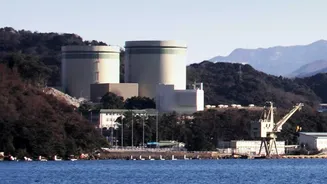


Saudi Arabia and Singapore have announced a joint intent to store Saudi crude in Singapore's high-tech underground caverns, with operations slated to begin in the second half of 2027. This timeline is more than a simple project deadline.
A Landmark Energy Partnership
On October 26,
2026, during Singapore International Energy Week, the energy ministers of Saudi Arabia and Singapore announced plans for a significant strategic arrangement. The proposal involves Saudi Arabia storing its crude oil at the Jurong Rock Caverns, a state-of-the-art underground storage facility on Singapore's Jurong Island. A Memorandum of Understanding (MoU) has been exchanged between Saudi Aramco, Singapore's Energy Market Authority (EMA), and JTC Corporation, which operates the caverns. Negotiations are expected to conclude within a few months, formalising a deal that aims to bolster energy security for both nations and the wider Southeast Asian region.
De-Risking a Volatile Supply Chain
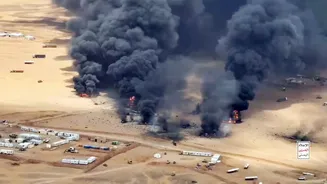
The timing of this initiative is critical. Recent geopolitical tensions, including a conflict involving the US, Israel, and Iran, have severely disrupted vital shipping lanes like the Strait of Hormuz. These waterways are the main arteries for Middle Eastern oil heading to Asia, which before the disruptions imported about two-thirds of its oil from the region. Attacks on tankers and energy infrastructure have created immense volatility, prompting nations to draw down their own strategic inventories and search for more secure supply routes. By storing crude oil in Singapore, Saudi Arabia creates a buffer, pre-positioning its most important export closer to its biggest customers and bypassing some of the most contested chokepoints. As Saudi Energy Minister Prince Abdulaziz bin Salman Al-Saud noted, the move strengthens the 'flexibility' of the Kingdom's supply network.
Why the 2027 Target Matters
The second-half 2027 start date is a carefully chosen target, reflecting both market forecasts and logistical realities. Market analysts and energy agencies predict a significant shift in the oil landscape around that time. After a period of disruption and inventory depletion, both OPEC and the International Energy Agency (IEA) anticipate a rebound in oil demand and supply in 2027. Specifically, OPEC has raised its 2027 global oil demand growth forecast, citing a major 'restocking race' as nations look to rebuild their commercial and strategic reserves. The 2027 timeline positions Saudi Arabia perfectly to meet this resurgent demand in Asia. Furthermore, IEA Executive Director Fatih Birol has stated he does not expect energy markets to return to pre-war conditions in 2027, making regional stockpiles strategically vital for managing persistent instability.
Singapore: The Unquestionable Asian Hub
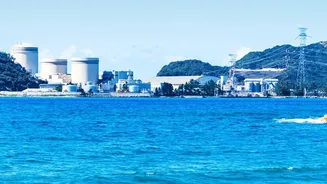
Singapore's role is no coincidence. It is Asia's undisputed oil trading and refining hub, home to one of the world's largest bunkering ports and massive refining infrastructure on Jurong Island. The Jurong Rock Caverns, located 150 metres underground, can hold approximately 9 million barrels of liquid hydrocarbons. For Singapore, the deal directly enhances its own energy security, providing a ready supply in case of emergencies. For Saudi Arabia, it leverages Singapore's worldclass infrastructure and strategic location at the crossroads of major Asian shipping routes. This isn't the Kingdom's first such deal; Aramco already has similar storage arrangements in Japan and South Korea, where host governments get priority access during a shortage. The Singapore deal expands this successful strategy to the heart of Southeast Asia.