








What Sparked the Recall?
The Food Safety and Standards Authority of India (FSSAI) issued the directive after a sample of pre-packed cumin powder was found to be 'unsafe' for consumption. The action was triggered by routine regulatory testing. A sample was collected from a resort
in Goa and sent for analysis. The initial lab report flagged the presence of pesticide residues at levels higher than what Indian food safety laws permit. Following this, Everest was given a chance to appeal, and the sample was sent to a second, referral laboratory for re-examination. This referral lab confirmed the initial findings, leading FSSAI to order an immediate and complete recall of the affected batch.
Which Specific Batch Is Affected?
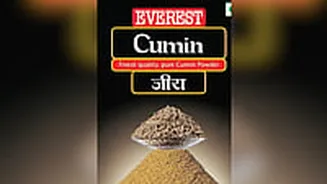
The recall is highly specific and does not apply to all Everest products or even all of its cumin powder. The FSSAI has clearly identified the implicated product as Everest's pre-packed Cumin Powder from Batch No. E080668761. Consumers who have Everest cumin powder in their homes are advised to check the packaging for this specific batch number to see if their product is part of the recall. The company has been instructed to pull all products from this batch from the market, keep detailed records of the recalled stock, and report its progress to the regulator.
What Contaminants Were Found?
The laboratory tests detected two specific agricultural chemicals: Azoxystrobin and Thiamethoxam. Azoxystrobin is a broad-spectrum fungicide used to protect crops from fungal diseases, while Thiamethoxam is an insecticide used against a wide range of pests. While the use of such pesticides is common in modern agriculture, food safety regulations set strict Maximum Residue Limits (MRLs) for the amounts that are legally allowed to remain in or on food products. In this case, the sample from batch E080668761 was declared unsafe because the levels of these two pesticides exceeded the MRLs prescribed under the Food Safety and Standards Act, 2006.
What Should You Do if You Have This Product?
First, do not panic. Health experts note that accidentally consuming the product once is unlikely to cause immediate illness, as the risk depends on factors like the exact concentration and amount consumed. However, the product has been deemed unsafe for a reason. Consumers should immediately check the batch number on any Everest cumin powder they own. If it matches Batch No. E080668761, you should stop using it immediately and dispose of it. The recall is a precautionary measure to prevent potential long-term health risks associated with consuming pesticide residues above safe limits. FSSAI advises consumers to always check packaging for the brand, batch number, and FSSAI license details before purchase.
A Broader Look at Spice Safety
This recall comes at a time of heightened scrutiny for Indian spice brands, both domestically and internationally. In recent months, regulators in Hong Kong and Singapore have also raised concerns over contaminants in products from major Indian brands, including Everest. These incidents have prompted FSSAI to intensify its surveillance and enforcement actions across the country, particularly with the festive season approaching. The regulator is conducting widespread sample collection of various brands to ensure they comply with quality norms. While spices have a low moisture content, which inhibits bacterial growth, they can still be contaminated with pathogens like Salmonella or carry pesticide residues from the agricultural stage. Powdered spices, in particular, can be more susceptible to adulteration with fillers like sawdust or flour, making regulatory oversight crucial.