





The Rise and Risk of a Winter Delicacy
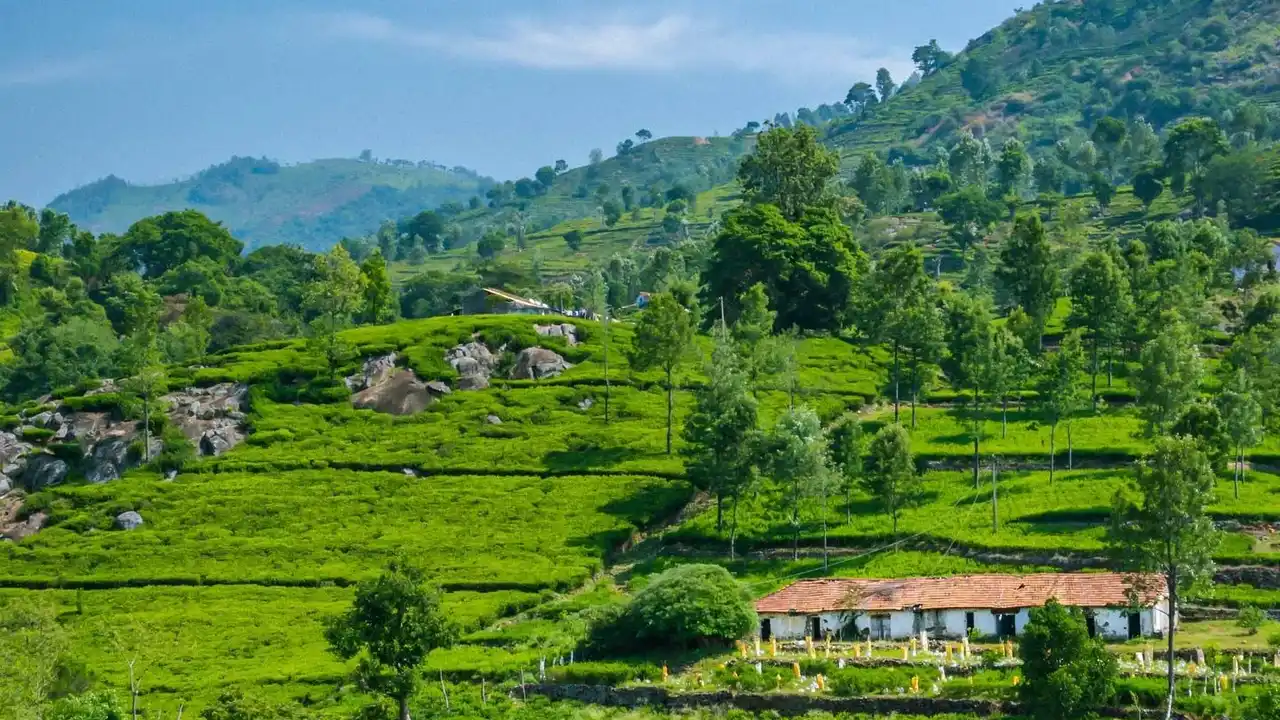
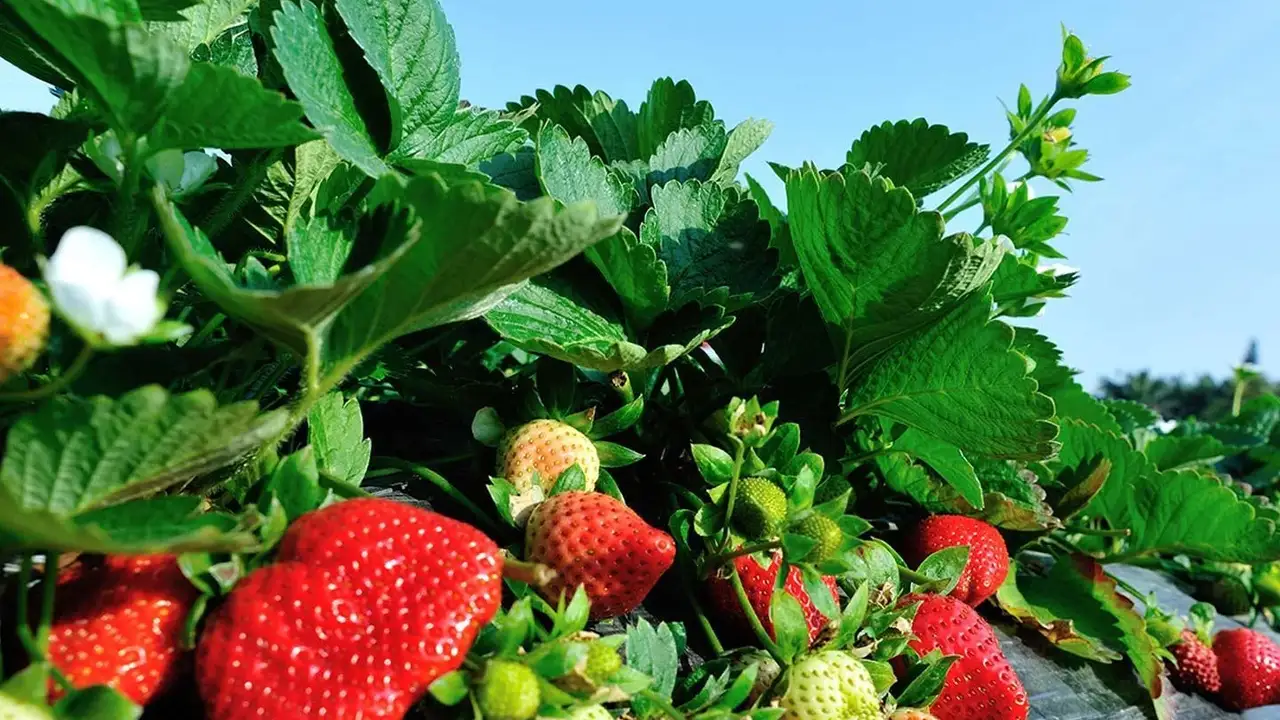
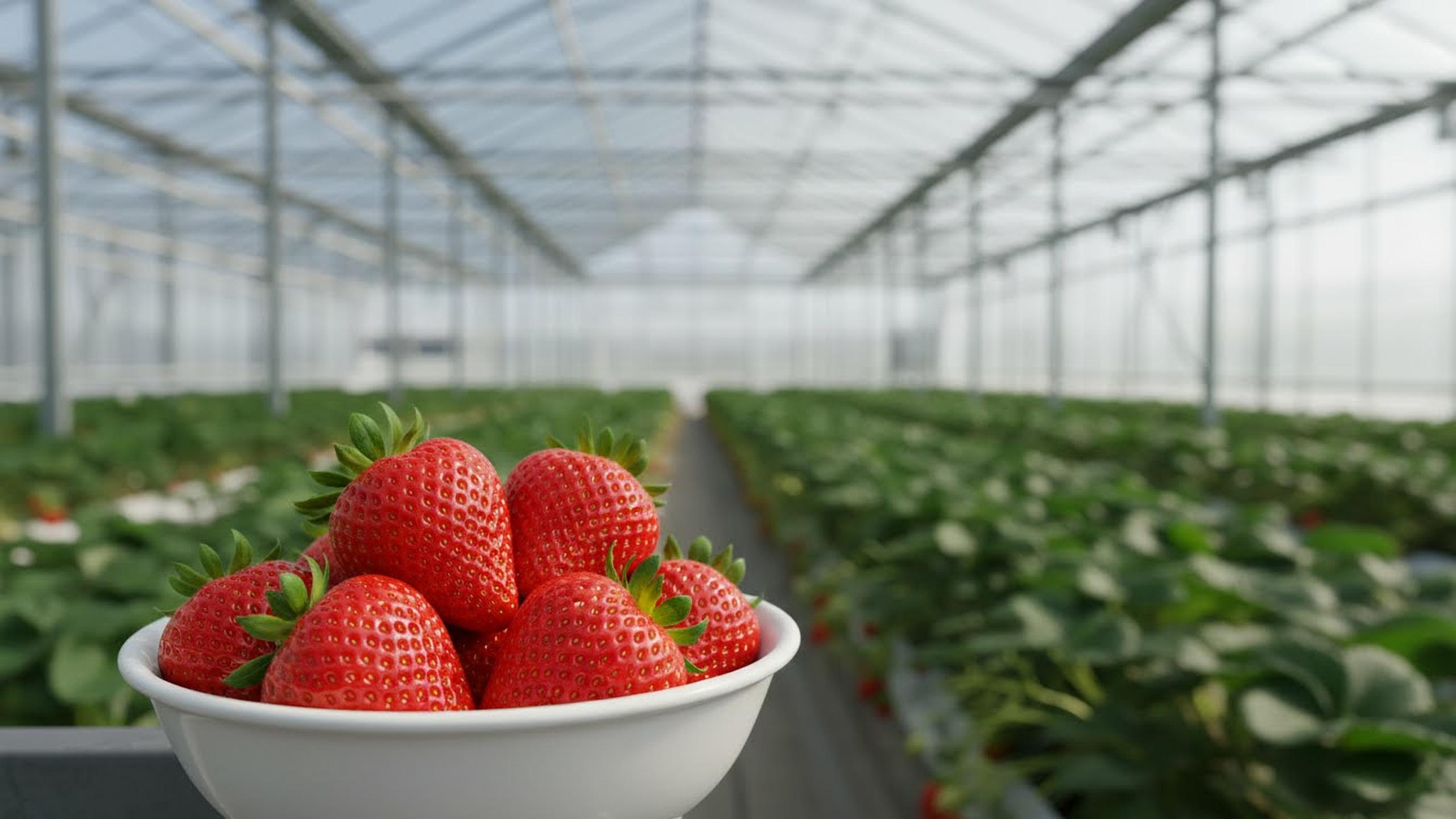
For decades, the sweet, red strawberry has been synonymous with the misty hills of Mahabaleshwar. This single region in western India accounts for a staggering 85% of the country's entire strawberry production, thanks to its cool climate and well-drained
soil. However, this concentration also makes the industry incredibly vulnerable. Indian farmers have historically relied on expensive, imported plant varieties from Europe and the United States, which are not always suited to local conditions. Compounding this dependency is the growing threat of climate change. Unpredictable weather, from erratic rainfall and cyclones to soaring temperatures during the growth cycle, is damaging crops. Heatwaves cause premature ripening, smaller fruit, and withering flowers, hurting both the yield and the livelihoods of farmers.
A Powerful Partnership for an Indian Solution
To tackle this existential threat, two of India's premier institutions have joined forces. On one side is Mahatma Phule Krishi Vidyapeeth (MPKV), a leading agricultural university with deep expertise in horticulture. On the other is the Bhabha Atomic Research Centre (BARC), the nation's foremost nuclear research facility. Their shared goal is ambitious: to develop India’s first truly indigenous, climate-resilient strawberry cultivar. The partnership aims to break the country's dependence on foreign varieties and create a plant that can withstand the harsh realities of India’s changing climate, such as intense heatwaves. This collaboration leverages MPKV's agricultural knowledge with BARC's highly specialized scientific capabilities.
How Nuclear Science Creates 'Super' Berries
The core of this project lies in a well-established scientific technique called mutation breeding. Scientists at MPKV are working with BARC to use controlled, low-dose gamma irradiation on strawberry plant tissues. This process isn't about creating a genetically modified organism (GMO) in the way many people think of it. Instead, radiation is used to speed up the natural process of genetic mutation, creating a wide variety of new traits. From this large pool of mutations, scientists can then select plants that exhibit desirable characteristics, such as tolerance to high temperatures, better fruit size and texture, or resistance to local diseases. BARC has a long and successful history in this field, having already developed and released over 70 new crop varieties that are more resilient to climate change using this very method.
Patience, Progress, and the Road Ahead
Developing a completely new plant variety from scratch is a long-term commitment. Researchers involved in the project estimate that it could take 10 to 15 years to develop and stabilise a fully indigenous, heat-tolerant strawberry that is ready for commercial cultivation. In the meantime, the work is already benefiting farmers. MPKV is actively helping growers by standardising best practices for existing varieties, including optimising planting schedules, applying growth regulators, and developing fertilizer plans tailored to specific micro-climates. This immediate support helps improve yields and resilience while the long-term breeding program is underway. Other large-scale growers are also experimenting with high-tech solutions like hydroponics and AI-powered weather monitoring to protect their crops.
More Than Just a Fruit
The MPKV-BARC strawberry programme is more than just an effort to secure the future of a popular fruit. It represents a powerful model for the future of Indian agriculture. As climate change continues to impact staple and high-value crops across the country, the ability to develop homegrown, climate-adapted varieties will be crucial for ensuring food security and protecting the livelihoods of millions. This project showcases a path forward, combining deep agricultural knowledge with cutting-edge science to create solutions from within India. It’s a move towards 'Atmanirbhar Bharat' in the truest sense, building a self-reliant and resilient agricultural sector capable of facing the challenges of tomorrow.