




Visa-Free Travel Is Here
The biggest news for Indian passport holders is the introduction of a 30-day visa-free regime. This recent development removes a significant hurdle, making spontaneous trips and planned holidays much simpler. Previously, travellers would need to navigate
an e-visa process. Under the new policy, you can enter for tourism, family visits, or short business trips for up to 30 days without a visa, though you should always confirm the latest entry requirements before booking. Airlines like Uzbekistan Airways, IndiGo, and others operate direct flights from India, particularly Delhi, to the capital city of Tashkent, with flight times around three to four hours.
Tashkent: The Modern Gateway
Most journeys begin in Tashkent, Uzbekistan's bustling capital. It's a city of contrasts, where wide, Soviet-era boulevards meet gleaming modern buildings and ancient bazaars. Don't miss a ride on the Tashkent Metro, where each station is a unique work of art, adorned with mosaics, chandeliers, and intricate designs. The Chorsu Bazaar, under its giant blue dome, is a sensory overload in the best way possible, offering everything from spices and fresh bread to local crafts. It’s the perfect introduction to the country's blend of history and modernity before you venture deeper into its Silk Road heartland.
Samarkand: Jewel of the Silk Road
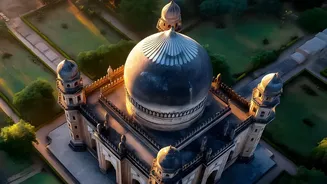
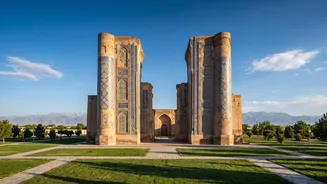
No name is more synonymous with the Silk Road than Samarkand. This city was a global centre of science and art under the rule of Amir Timur (Tamerlane). Its centrepiece is the Registan, a breathtaking public square framed by three ornate, tile-covered madrasahs. The scale and detail are simply awe-inspiring. Other essential sights include the Gur-e-Amir, Timur's grand mausoleum, and the Shah-i-Zinda necropolis, a stunning avenue of tombs decorated in vibrant blue tiles. Wandering through Samarkand feels like stepping into a storybook, with every corner revealing another piece of its majestic past.
Bukhara: A Living, Breathing Museum
If Samarkand is majestic, Bukhara is magical. A UNESCO World Heritage site, its historic centre is a wonderfully preserved example of a medieval Central Asian city. Life revolves around the Lyabi-Hauz complex, a plaza built around a tranquil pond, surrounded by centuries-old madrasahs. The city’s skyline is dominated by the 47-metre-tall Kalyan Minaret, which has stood for nearly 900 years. The true joy of Bukhara is getting lost in its labyrinthine alleyways, discovering hidden mosques, artisan workshops, and dome-covered trading markets that still buzz with activity. It feels less like a collection of monuments and more like a city that has been continuously inhabited for millennia.
Khiva: The Walled Fortress City
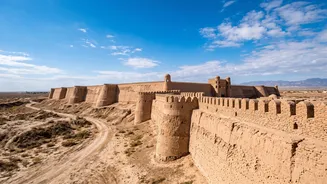
The farthest of the main trio, Khiva offers a unique experience. Its old town, known as Itchan-Kala, is a completely walled fortress, preserving an entire city within its mud-brick ramparts. Walking through its gates is like stepping back in time. The area is a compact, car-free zone filled with mosques, minarets, and palaces. Key sights include the stubby, turquoise-tiled Kalta-Minor Minaret and the Juma Mosque, with its forest of 213 carved wooden pillars. Climbing the city walls for a sunset view over the sand-coloured buildings is an unforgettable experience, offering a glimpse into what a desert oasis would have looked like centuries ago.
A Taste of Uzbek Culture
Uzbekistan’s appeal extends beyond its architecture. The local cuisine is a highlight for many visitors. The national dish is plov, a hearty and flavourful rice pilaf cooked with meat, carrots, and onions, often in a giant cauldron. You’ll also find delicious grilled meats (shashlik), steamed dumplings (manti), and savoury pastries (samsa). The people of Uzbekistan are known for their incredible warmth and hospitality, and many Indians find a cultural familiarity in the local customs and values. Exploring the craft shops reveals a rich tradition of ceramics, silk weaving, and wood carving that has been passed down through generations.