

It's a Pattern, Not a Prescription
The secret to the Mediterranean diet isn't about eating exactly like someone from Greece or Spain. It's about embracing a pattern of eating that prioritises whole foods, healthy fats, and plant-based meals while minimising processed items. This framework
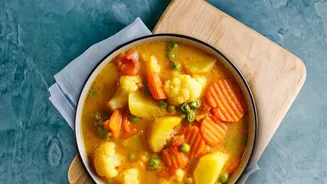
is surprisingly similar to many traditional Indian food practices, which are already rich in vegetables, legumes, and complex spices. The goal is to focus on the core principles—not a specific shopping list from a foreign country. By making small, mindful shifts in how you select and prepare ingredients, you can align your daily meals with this heart-healthy approach without abandoning the dishes you grew up with. This makes it a sustainable lifestyle change rather than a restrictive diet.
Embrace Indian Healthy Fats
Extra virgin olive oil is the poster child of the Mediterranean diet, but it's not the only healthy fat, nor is it always suitable for Indian cooking. Many Indian cooking methods, like making a tadka or deep frying, require oil with a high smoke point. Extra virgin olive oil has a relatively low smoke point, around 190–210°C, which can cause it to break down at high temperatures. Traditional Indian oils like cold-pressed mustard oil (smoke point ~250°C), groundnut oil, and sesame oil are excellent alternatives that are better suited for high-heat cooking. These oils also offer their own unique health benefits, from the balanced fatty acid profile in mustard oil to the antioxidants in sesame oil. For salads and low-heat sautéing, olive oil works well, but for everyday Indian dishes, our local oils are often a healthier and more practical choice.
Celebrate Our Whole Grains
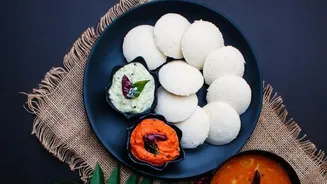
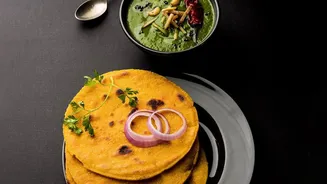
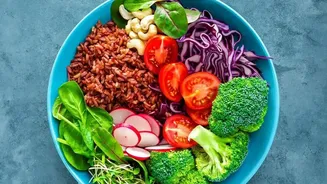
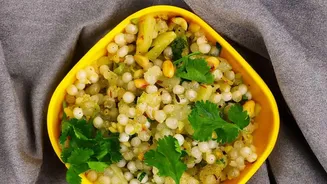
The Mediterranean diet encourages a shift away from refined carbohydrates towards whole grains. Fortunately, India has a rich and diverse pantry of whole grains to choose from. Instead of focusing on exotic grains like farro or bulgur, you can simply prioritise the whole grains already central to our cuisine. Swap white rice for brown rice, and ensure your daily rotis are made from whole wheat flour (chakki atta). Better yet, incorporate a variety of millets like jowar (sorghum), bajra (pearl millet), and ragi (finger millet) into your meals. These grains are packed with fibre, vitamins, and minerals, and they form a perfect base for an Indian-style Mediterranean plate.
Rethink Your Protein Sources
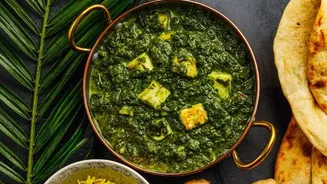
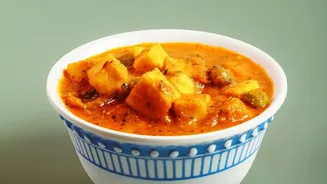
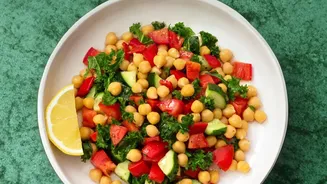
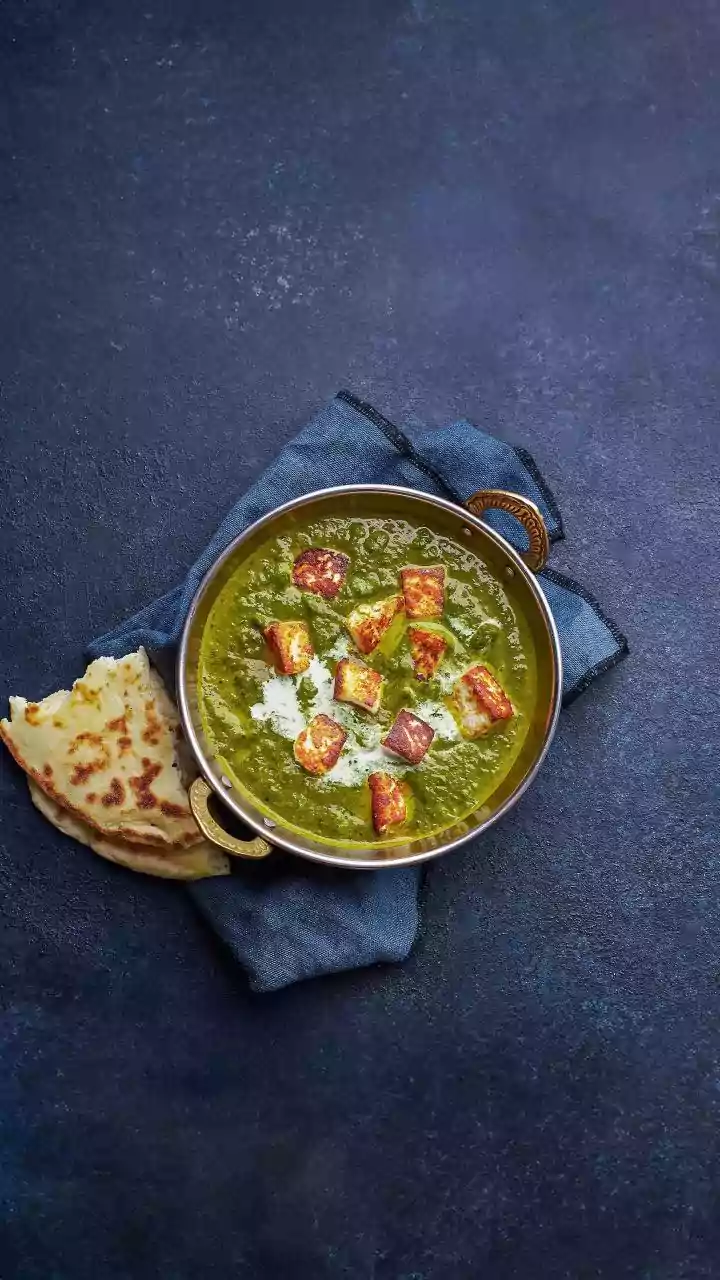
A key tenet of the Mediterranean diet is to reduce the intake of red meat and prioritise leaner proteins. This aligns perfectly with the Indian way of eating, which is predominantly plant-based. Legumes and pulses—the cornerstones of Indian cuisine—are fantastic sources of protein and fibre. Dishes made from lentils (dal), chickpeas (chole), and kidney beans (rajma) are already staples and fit perfectly within this dietary pattern. For non-vegetarians, the diet encourages eating fish and seafood a few times a week, along with moderate consumption of poultry and eggs. Dairy products like yogurt (dahi) and paneer are also excellent protein sources to be enjoyed in moderation.
Flavour with Spices and Herbs
Both Mediterranean and Indian cuisines excel at creating flavour without relying heavily on salt or unhealthy fats. The Mediterranean approach uses fresh herbs, lemon, and garlic, while Indian cooking boasts a complex world of spices. Turmeric, cumin, coriander, fenugreek, and cinnamon are not just flavour agents; they also possess anti-inflammatory properties. By continuing to use our traditional masalas and fresh herbs like coriander and mint, you are naturally following a core principle of the Mediterranean diet: making food delicious and nutritious through plants, not processing. This focus on spices can help reduce sodium intake while enhancing the taste of every meal.