





The Real Value of Your Passport Data
Your passport is more than just a travel document; it is a treasure trove of personally identifiable information (PII). It contains your full name, date and place of birth, a high-quality photograph, and a unique passport number. In the hands of criminals,
this data isn't just a collection of facts; it's a complete kit to begin stealing your identity. While a passport number alone has limited value, combining it with the other details on the data page makes it a powerful tool for fraudsters. This information is often all that's needed to impersonate you, bypass security questions for your online accounts, or start building a fraudulent profile in your name.
What Criminals Can Do With a Scan
Once a criminal has a digital copy of your passport, they can engage in a wide array of illegal activities. One of the most common is opening fraudulent bank accounts or applying for credit cards and loans in your name. They can use your identity to launder money or cash out on other illicit transactions. Scammers can also use the scan to create sophisticated forgeries for illegal travel or to help other criminals evade law enforcement. Furthermore, they might commit employment fraud by using your clean record to get a job, or apply for government benefits under your name, redirecting payments to an account they control. This can lead to serious financial and legal complications that can take years to resolve.
The Data Breach Domino Effect
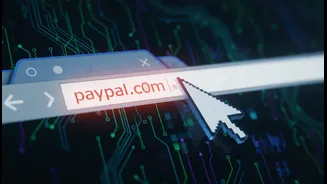
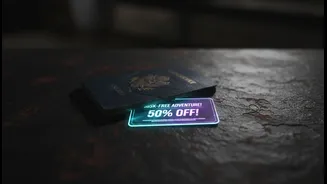
Even if the company offering the discount is legitimate, you are still at risk. Many businesses, especially smaller online retailers, may not have robust cybersecurity measures in place to protect the data they collect. This makes them prime targets for hackers. High-profile data breaches have exposed the passport numbers of millions of people. Once your information is leaked in a breach, it is often sold on the dark web, where it can be purchased for very little money. This data can then be used to craft highly convincing phishing scams. For instance, a scammer might email you, pretending to be from a company that was recently breached, and trick you into revealing even more sensitive information.
When Is It Safe to Share Your ID?
While you should be extremely cautious, there are times when providing ID is necessary, such as for regulated financial services or international hotel check-ins. However, these situations are different from a random online shop asking for it in exchange for a coupon. Legitimate requests usually come from established institutions that are required by law to verify your identity, like for Know Your Customer (KYC) regulations in banking. Before uploading anything, check for a secure portal (HTTPS in the URL), read the company's privacy policy, and understand how your data will be stored and when it will be deleted. In India, services like DigiLocker offer a way to share verifiable credentials without handing over a full copy of the document, providing a more secure alternative.
A Checklist Before You Upload
Before you even consider uploading a passport scan, ask yourself these critical questions: 1. Is this company a well-known, regulated entity (like a bank or government agency)? 2. Why do they need my passport specifically, and not another, less sensitive form of verification? 3. Is the value of this discount or service truly worth the risk of potential identity theft? 4. Have I checked the website's security and privacy policy to see how they handle my data? 5. Is there a more secure way to provide this information, such as in-person verification or through a trusted digital wallet service? If the answer to any of these questions raises a red flag, it is always best to walk away. A small financial saving is never worth a lifetime of trying to reclaim your stolen identity.