


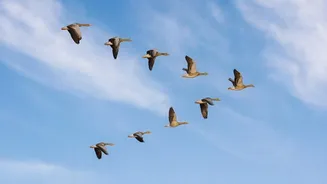
A Sky Half-Empty
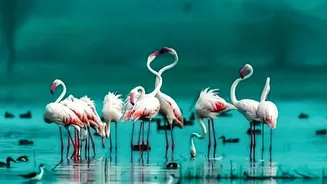
Recent assessments paint a sobering picture for the world’s avian nomads. A comprehensive review published in July 2026 found that an alarming 51% of the world's migratory bird species are experiencing population declines. An interim update to the UN's
State of the World's Migratory Species report further noted that the situation is worsening, with the number of declining populations covered by its treaty increasing in just two years. This isn't just about a few rare species; many once-common birds are also seeing substantial losses. The trend is global, affecting every major flyway on Earth and signalling a biodiversity crisis that spans political and geographical borders.
The Central Asian Flyway: India's Critical Corridor
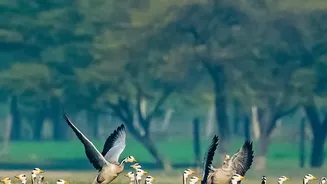
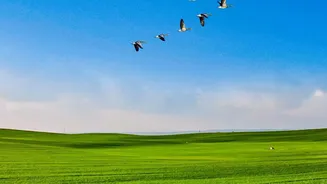
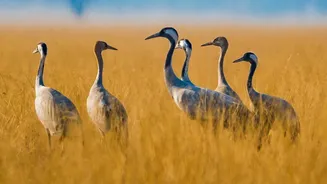
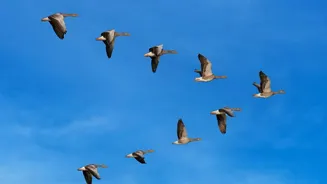
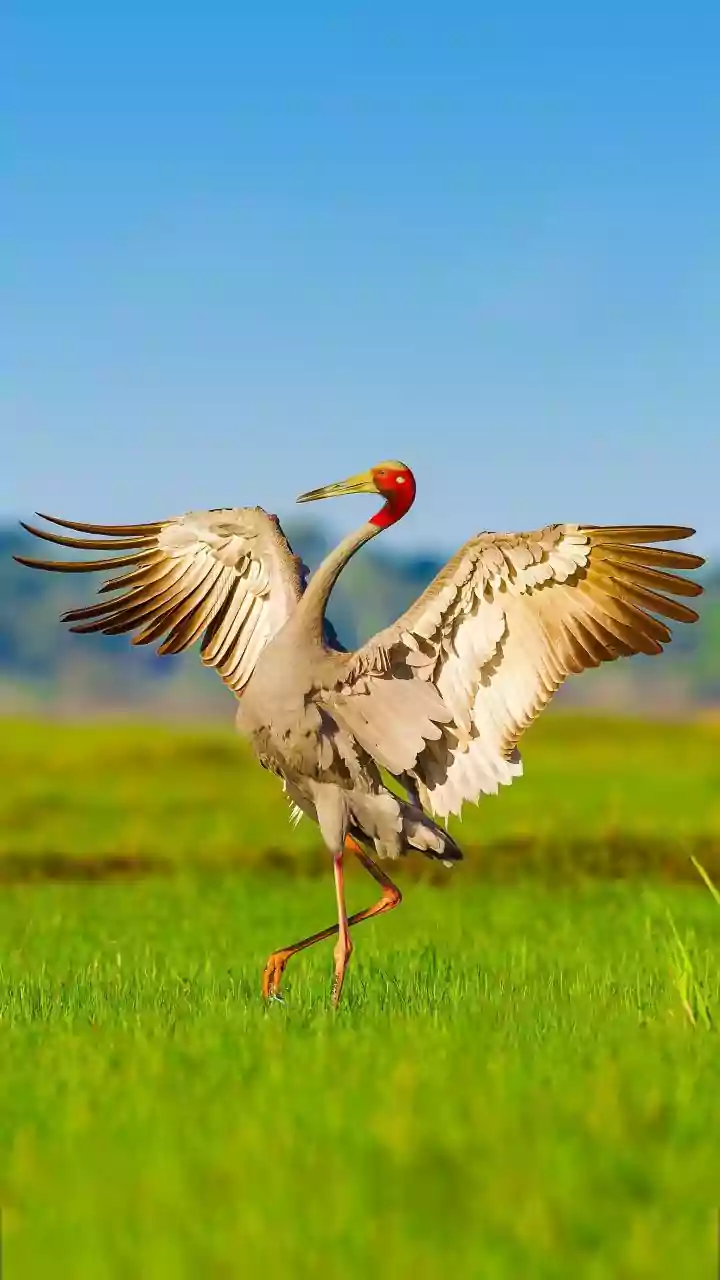
For India, this global issue hits close to home. The nation sits at the heart of the Central Asian Flyway (CAF), a crucial aerial superhighway that stretches from the freezing Arctic to the warm waters of the Indian Ocean. This corridor is used by over 600 migratory bird species, including iconic travellers like the Bar-headed Goose and the Demoiselle Crane. These birds rely on India's vast network of wetlands, lakes, and coastal areas as vital stopover points to rest and refuel during their gruelling journeys. As such, the health of India's environment is directly linked to the survival of countless species that connect us to the broader Asian continent. Sites like Chilika Lake in Odisha and Keoladeo National Park in Rajasthan are not just national treasures, but indispensable links in a global chain of life.
A Perilous Journey
The reasons for the decline are complex and overwhelmingly driven by human activity. The primary threats identified are habitat loss and overexploitation. Across South Asia, vital wetlands are being drained for agriculture and urban expansion. Pollution, from pesticides in farm fields to plastic waste in water bodies, poisons feeding grounds. The rapid expansion of infrastructure like power lines and wind turbines creates deadly obstacles in the sky. Climate change acts as a threat multiplier, altering migration timings, disrupting food availability, and even affecting the breeding success of many species.
More Than Just Birds
The decline of migratory birds is more than an ecological tragedy; it's a warning sign with direct consequences for human well-being. These birds are essential contributors to healthy ecosystems. They act as natural pest controllers, benefiting agriculture by preying on insects. They are pollinators and seed dispersers, helping to maintain plant life and forest health. Their presence is a key indicator of environmental health; a drop in their numbers often signals deeper problems within an ecosystem, such as water pollution or habitat degradation. In many parts of India, their arrival is woven into the cultural fabric, celebrated in festivals and traditions that recognise our deep connection to the natural world.
A Path to Recovery
While the outlook is concerning, conservation success stories show that recovery is possible. In Nagaland, the village of Pangti transformed from a site of mass hunting of Amur Falcons to a celebrated conservation area driven by community-led ecotourism. India has a National Action Plan for the conservation of migratory birds along the CAF, aiming to protect critical habitats and reduce threats. Reports emphasize that effective conservation requires strong international cooperation, as these birds depend on a chain of safe havens across multiple countries. This involves protecting key biodiversity areas, mitigating threats from infrastructure, and empowering local communities who are often the frontline guardians of these habitats.