






Non-Vegetarian Food and Eggs
Abstaining from meat, fish, and eggs is one of the most widely observed customs during Sawan. This practice is rooted in the principle of non-violence and is seen as an act of devotion to Lord Shiva. Additionally, there is a practical, seasonal reason:
the monsoon is a breeding period for many animals and fish, and the high humidity increases the risk of food spoilage and foodborne illnesses. Avoiding these foods was historically a way to ensure safety and respect natural life cycles.
Onion and Garlic
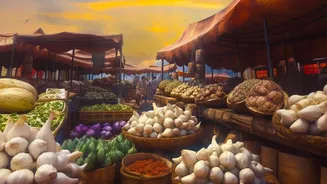
The absence of onion and garlic is a hallmark of Sawan cooking. Unlike other restrictions, this one is purely spiritual and based on Ayurvedic principles. Both are classified as 'tamasic' and 'rajasic' foods, believed to generate heat, restlessness, and mental distraction. Since Sawan is a month for cultivating calmness and spiritual focus, devotees opt for a 'satvik' diet that promotes clarity and purity of mind.
Common Grains and Flours
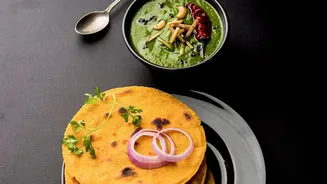
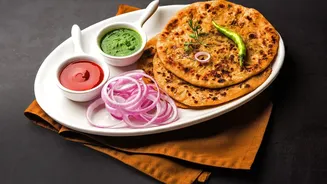
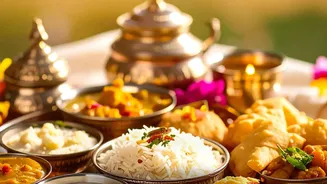
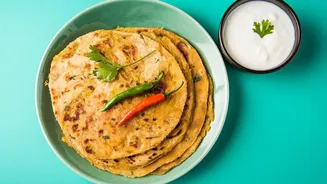
For those observing strict fasts (vrat), regular grains like wheat and rice are often excluded. This is why you won't find regular rotis or rice on a Sawan vrat thali. Instead, special 'vrat-friendly' flours are used, such as kuttu (buckwheat flour), singhara (water chestnut flour), and rajgira (amaranth flour). For grains, sabudana (tapioca pearls) and samak rice (barnyard millet) become the preferred staples.
Lentils and Legumes
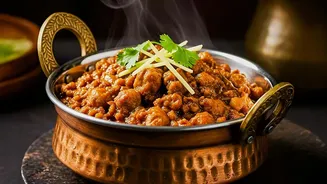
Most dals and pulses, such as toor, chana, and masoor dal, are avoided during Sawan fasting periods. These are considered heavy to digest, which goes against the 'light eating' philosophy of the season. Ayurveda suggests that the digestive fire ('agni') is weaker during the monsoon, making it harder for the body to process complex proteins. This is why simpler, easily digestible foods are favoured.
Regular Table Salt
If you are preparing food for a Sawan fast, regular iodised table salt is a strict no. Instead, 'sendha namak', or rock salt, is used for seasoning. Sendha namak is considered the purest form of salt as it is unrefined and unprocessed, making it suitable for 'satvik' cooking. This switch is a key part of ensuring that the meal adheres to the specific requirements of the vrat.
Leafy Green Vegetables
It might seem counterintuitive to avoid healthy greens, but there's a good reason for it during Sawan. The damp monsoon weather is an ideal breeding ground for insects and worms, which can easily hide in the leaves of spinach, fenugreek, and other greens. Before modern pesticides and cleaning methods, avoiding these vegetables was a practical way to prevent stomach infections.
Certain Vegetables like Brinjal
Brinjal, or eggplant, is another vegetable that many families avoid during this holy month. In some traditional texts, it is considered 'ashuddh' or impure, particularly during the rainy season when it is more prone to insect infestation. This belief has been passed down through generations, making brinjal a common exclusion from Sawan menus.
Heating Spices
The spice box also sees some changes. Heavy or 'rajasic' spices like red chilli powder, coriander powder, turmeric, and garam masala are often set aside. The focus shifts to milder flavourings that are cooling or neutral for the body. Spices like cumin, black pepper, green chillies, and fresh ginger are generally permitted in vrat cooking to add flavour without over-stimulating the system.
Alcohol and Tobacco
As Sawan is a month of devotion, discipline, and purity, all intoxicants are strictly forbidden. Alcohol, tobacco, and other related substances are considered 'tamasic' and are believed to cloud the mind and hinder spiritual focus. Abstaining from them is a fundamental part of the spiritual discipline observed during this period.
Fermented and Processed Foods
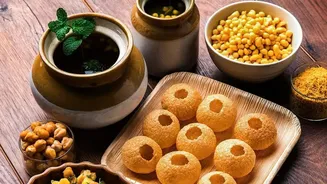
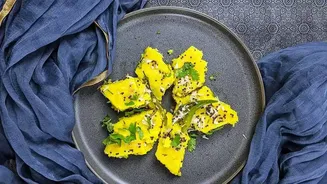
Many households also avoid fermented items like idli, dosa, and certain pickles. The high humidity of the monsoon can accelerate fermentation and increase the risk of spoilage and bacterial growth. Similarly, packaged chips, fried namkeens, and other heavily processed foods are avoided as they do not align with the 'satvik' ideal of fresh, simple, and pure meals.