







A Milestone in Mango Exports
In a significant move for India's agricultural export industry, the Agricultural and Processed Food Products Export Development Authority (APEDA) successfully facilitated the first-ever air shipment of late-season mango varieties to an international market.
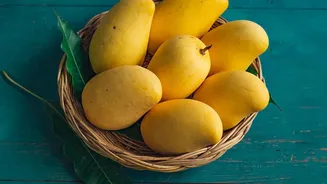
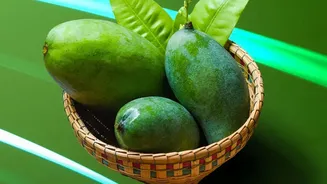
A one-metric-tonne consignment of Neelam and Totapuri mangoes was flown from Karnataka to the Maldives at the end of July. This event, flagged off by APEDA Chairman Abhishek Dev, marks a strategic effort to expand India's presence in global fruit markets beyond the traditional peak season. Until now, these later varieties were not a focus for premium air export, making this a pivotal moment for farmers and exporters.
The Challenge of Late-Season Varieties
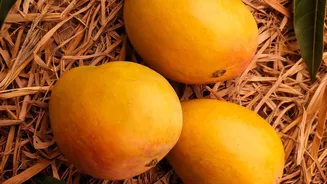
Historically, India's celebrated mango export season has been dominated by early and mid-season varieties like Alphonso and Kesar, which are shipped from April to June. Late-season mangoes such as Neelam and Totapuri, harvested from late June through July, have shorter shelf lives and have traditionally been limited to domestic markets or sea freight for processing purposes. The high cost and logistical complexity of air freight were typically reserved for the most in-demand, high-value early varieties. This created a sharp drop-off in export revenue and international presence once the main season concluded, leaving significant value from later harvests untapped.
How Air Cargo Unlocks Value
The decision to use air cargo is a game-changer for the commercial worth of these fruits. Because mangoes are highly perishable, speed is essential. Air freight reduces the transit time from weeks to mere days, drastically cutting spoilage and ensuring the fruit arrives in pristine condition. This allows exporters to target premium fresh-fruit markets rather than lower-value processing channels. For the farmers in Karnataka's Kolar district who supplied this first shipment, the results were immediate and transformative; they realized over 50 percent higher financial returns compared to selling through traditional domestic wholesale avenues. This direct farm-to-market model, by-passing multiple intermediaries, ensures a larger share of the profit goes directly to the growers.
The Economic Ripple Effect
This initiative, spearheaded by APEDA, does more than just sell a few tonnes of mangoes. It establishes a new, viable economic model. By connecting Farmer Producer Companies (FPCs) like the Prakruthimaya Farmers Producer Company Ltd. directly with exporters, the entire supply chain becomes more efficient and profitable. This model empowers local agricultural communities and encourages the adoption of international quality standards. Furthermore, the first shipment was handled by a newly registered woman-led enterprise, M/s Ahalya Devi Ventures, highlighting a push towards greater gender inclusivity in the agri-export sector. As Union Commerce and Industry Minister Piyush Goyal noted, this milestone unlocks new opportunities for growers and agri-entrepreneurs to enhance their international market presence.
A Sweeter Future for Growers and Consumers
For international consumers, this development means access to a wider variety of Indian mangoes for a longer period. Neelam mangoes are prized for their aromatic pulp, while the sweet-tangy Totapuri is valued for both fresh eating and processing. By proving the viability of air-freighting these late-season gems, India can extend its mango supply timeline on the global stage, catering to demand long after the Alphonso season has passed. This successful trial run serves as a blueprint for future exports, not just for mangoes but potentially for other perishable horticultural products. It demonstrates a strategic shift from relying solely on seasonal superstars to building a more resilient and diverse export basket that delivers value throughout the year.