

Urad dal is a cornerstone of Indian cooking, celebrated for its remarkable versatility. This humble lentil can transform from a rich, creamy curry to a crispy, airy fritter, all depending on how you prepare it. Mastering its textures is key.
Understanding Your Urad Dal
Before you
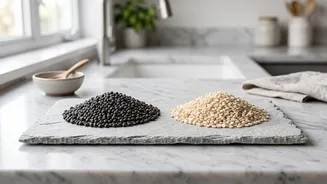
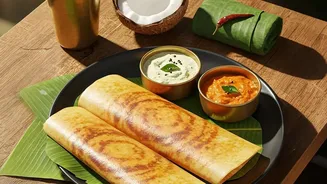
start cooking, it helps to know what you’re working with. Urad dal primarily comes in two forms: whole black urad (sabut urad) and split-and-dehusked white urad (urad dal dhuli). Whole black urad, with its skin intact, lends a deep, earthy flavour and is the star of hearty dishes like dal makhani. The white, split version is milder and is the base for the batters of idli, dosa, and vadas. The secret to unlocking any texture begins with soaking. Soaking softens the lentils, making them easier to grind and cook, and is crucial for achieving the right consistency, whether creamy or fluffy.
For a Rich and Creamy Finish: Dal Makhani
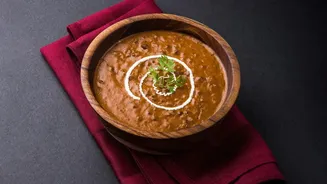
The ultimate creamy dal is undoubtedly Dal Makhani. This North Indian classic gets its luxurious, velvety texture from slow-cooking whole black urad dal and a small amount of rajma (kidney beans). The magic lies in patience. The lentils are first pressure-cooked until completely soft. Then, they are simmered for an extended period with a base of tomato puree, ginger, garlic, and aromatic spices. The creaminess comes from the lentils breaking down and from the generous addition of butter and cream toward the end of cooking. Mashing some of the lentils against the side of the pot during simmering helps to naturally thicken the gravy.
For a Perfectly Crispy Crunch: Medu Vada
For a snack that’s crispy on the outside and soft on the inside, look no further than Medu Vada. The key to achieving that signature crispiness is all in the batter. Start with soaked white urad dal, but the grinding process is critical. You must use as little water as possible to create a thick, coarse paste. If the batter is too thin, the vadas will absorb too much oil and won’t hold their doughnut-like shape. After grinding, whisk the batter vigorously for several minutes to incorporate air. A well-aerated batter will float when a small drop is placed in a bowl of water, which is the sign it’s ready. Frying on a medium flame ensures the vada cooks through while developing a golden, crunchy exterior.
For a Fluffy , Spongy Bite : Dahi Vada
Dahi Vada (or Dahi Bhalla) requires a texture that is soft , porous , and melt - in - your - mouth . The process starts similarly to Medu Vada , with a thick batter made from soaked urad dal (sometimes mixed with a little moong dal for extra softness) . The most crucial step is to whisk the batter until it is extremely light and fluffy , nearly double in volume . Using an electric mixer can make this step much easier . Once fried to a golden brown , the vadas are not served immediately . They are first soaked in warm , salted water . This step is what makes them incredibly soft and spongy , as they release oil and absorb water . Just before serving , each vada is gently squeezed to remove excess water and then soaked in creamy , sweetened yogurt .
For a Simple , Everyday Dal : Urad Dal Tadka
Not every urad dal dish needs to be an elaborate affair . A simple Urad Dal Tadka , often called Maa ki Dal in Punjabi households , is a comforting and hearty staple . This preparation typically uses either whole or split urad dal , pressure - cooked with turmeric and salt until soft but not completely mushy . The texture here is less about creaminess and more about a wholesome , slightly thick consistency . The flavour comes from the 'tadka' — a tempering of ghee or oil with spices like cumin seeds , asafoetida , garlic , and dried red chillies that is sizzled and poured over the cooked dal just before serving .
< / div >