





A New Wave of Coffee Culture
For years, India’s coffee story was dominated by traditional South Indian filter coffee and mass-market instant brands. The “first wave” was about commodity coffee, and the “second wave,” pioneered by chains like Café Coffee Day, made cafés a social destination.
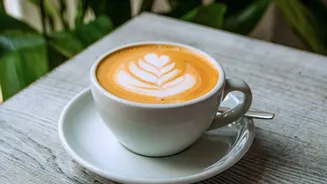
Now, a “third wave” is cresting, focused on specialty coffee. This refers to high-quality beans, where every aspect—from the farm's altitude to the specific brewing method—is considered to create the best possible flavour. It’s about treating coffee as an artisanal product, much like fine wine, and this experience is now accessible in cities previously overlooked.
The Rise of Cafes in Tier-2 Cities
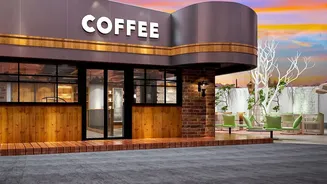
Entrepreneurs are finding fertile ground in Tier-2 cities like Jaipur, Lucknow, Chandigarh, and Indore. Brands such as Roastery Coffee House have successfully opened large, experience-focused outlets in Jaipur and Lucknow, which now outperform their metro counterparts. In Nagpur, Corridor Seven Coffee Roasters has become a local institution. These cities present a unique opportunity: a growing base of aspirational consumers, lower rents, and less competition compared to the saturated markets of major metros. This allows for more experimentation and a focus on building a loyal local community.
The Post-Pandemic Ripple Effect
The COVID-19 pandemic played a significant role in accelerating this trend. The shift to remote work and a wave of reverse migration saw many professionals with metro-honed tastes move back to their hometowns. This created a new, discerning customer base in smaller cities that was ready for premium experiences. Cafe owners noticed this shift; one founder observed that while his Delhi cafes see a dip during holidays, his Lucknow and Jaipur outlets spike as returning migrants introduce family and friends to the café culture they experienced in bigger cities. Social media has also been a powerful influence, making café aesthetics and specialty brews an aspirational lifestyle choice for young people everywhere.
Favourable Economics and Local Flavour
The business case for opening a specialty café in a non-metro city is compelling. Rent for a small café in a Tier-2 city can be a fraction of the cost in Mumbai or Delhi, dramatically lowering the financial barrier to entry. While the investment in high-quality espresso machines remains significant, the overall cost structure is more manageable. This has led to a supply that is still trying to catch up with demand, unlike in the metros where supply often exceeds it. Furthermore, local entrepreneurs have an advantage in understanding regional tastes and community dynamics, creating unique spaces that merge global coffee standards with a distinct local identity.
More Than Just a Coffee Shop
These new-wave cafés are becoming vital “third places”—social hubs that are neither home nor work. In smaller towns, they often fill a gap in the social landscape, transforming into community centers, co-working spaces, and cultural venues. Unlike the often-impersonal, laptop-focused culture of big-city cafes, observers note that cafes in cities like Jaipur are filled with conversation and laughter. They host workshops, coffee tastings, and events, building a strong sense of community around the shared experience of great coffee. This focus on community and conversation is proving to be a key ingredient in their success.