




A Tradition Steeped in Oil
During Navratri and other fasting periods, or 'vrats', the Indian kitchen transforms. The foods prepared are 'sattvik'—pure, light, and meant to aid in spiritual focus. Yet, many of the most beloved vrat snacks have traditionally been deep-fried. Think
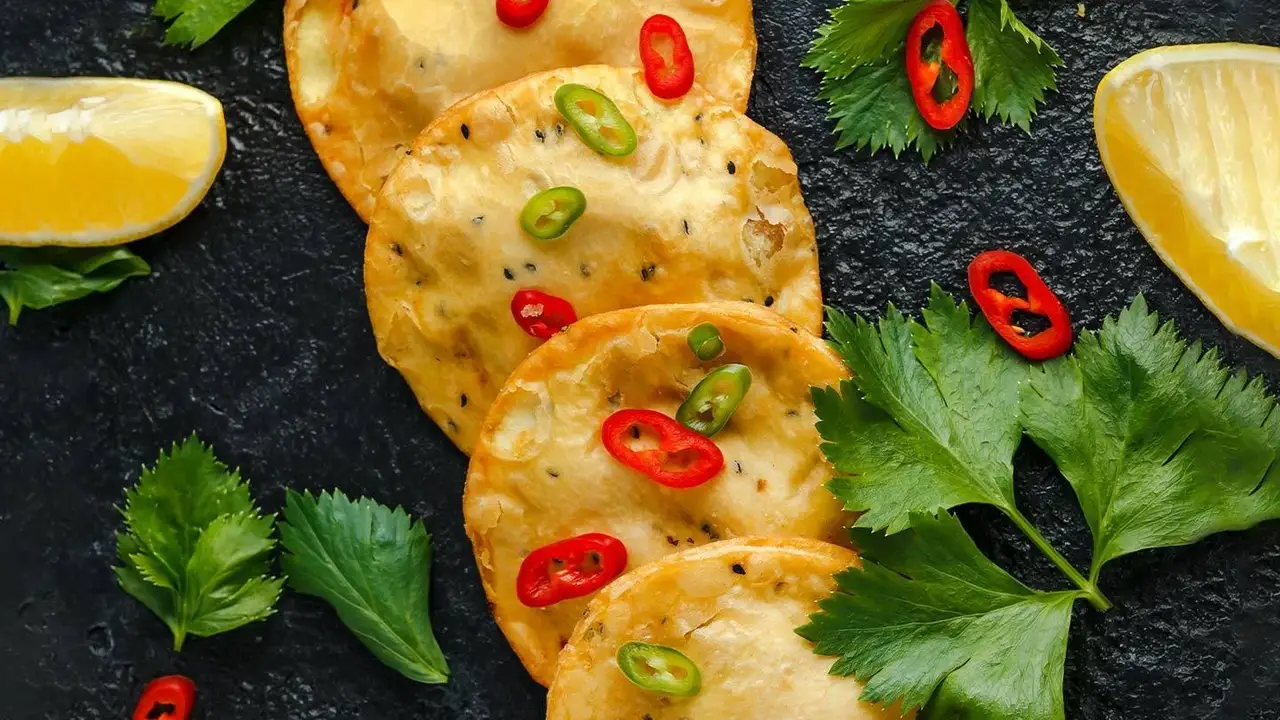
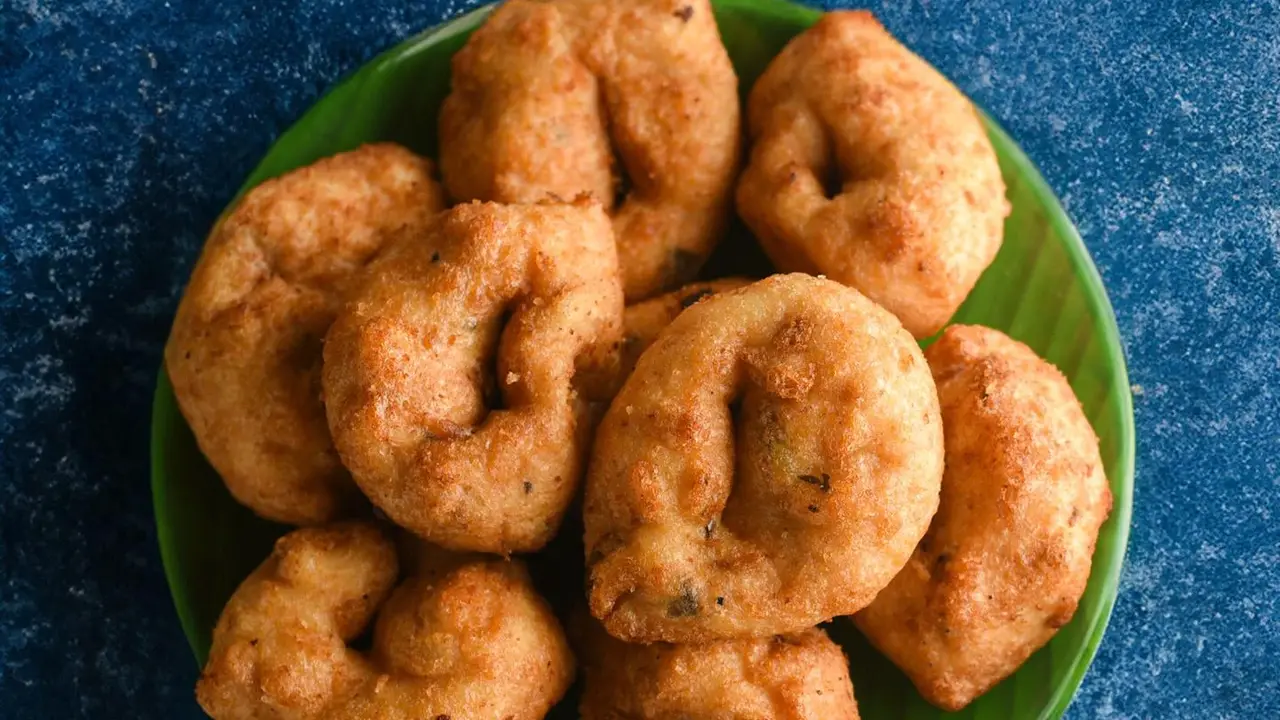
of the crispy exterior of a Sabudana Vada, the satisfying crunch of Kuttu ke Pakode, or the flaky texture of Singhare ki Puri. This reliance on deep-frying isn't just for taste; it's rooted in culture. Frying in ghee or oil was historically a way to create rich, energy-dense foods to sustain devotees through a day of fasting. These snacks, from Sabudana Pakoda to Aloo Chaat, are more than just food; they are a comforting, nostalgic part of the fasting ritual across many parts of North India.
The Health-Conscious Turn
In recent years, a significant shift has occurred in Indian urban households. Growing awareness around lifestyle diseases, cholesterol, and the health impacts of consuming excessive oil has made many people reconsider their cooking methods. The very snacks that brought comfort during vrats became a source of dietary concern. The dilemma was clear: how does one honour tradition without compromising on health? This created a demand for cooking methods that could deliver the satisfying textures of fried food with a fraction of the fat. While baking, roasting, and grilling were options, they often failed to replicate the specific crunch that makes these snacks so special.
Enter the Air Fryer
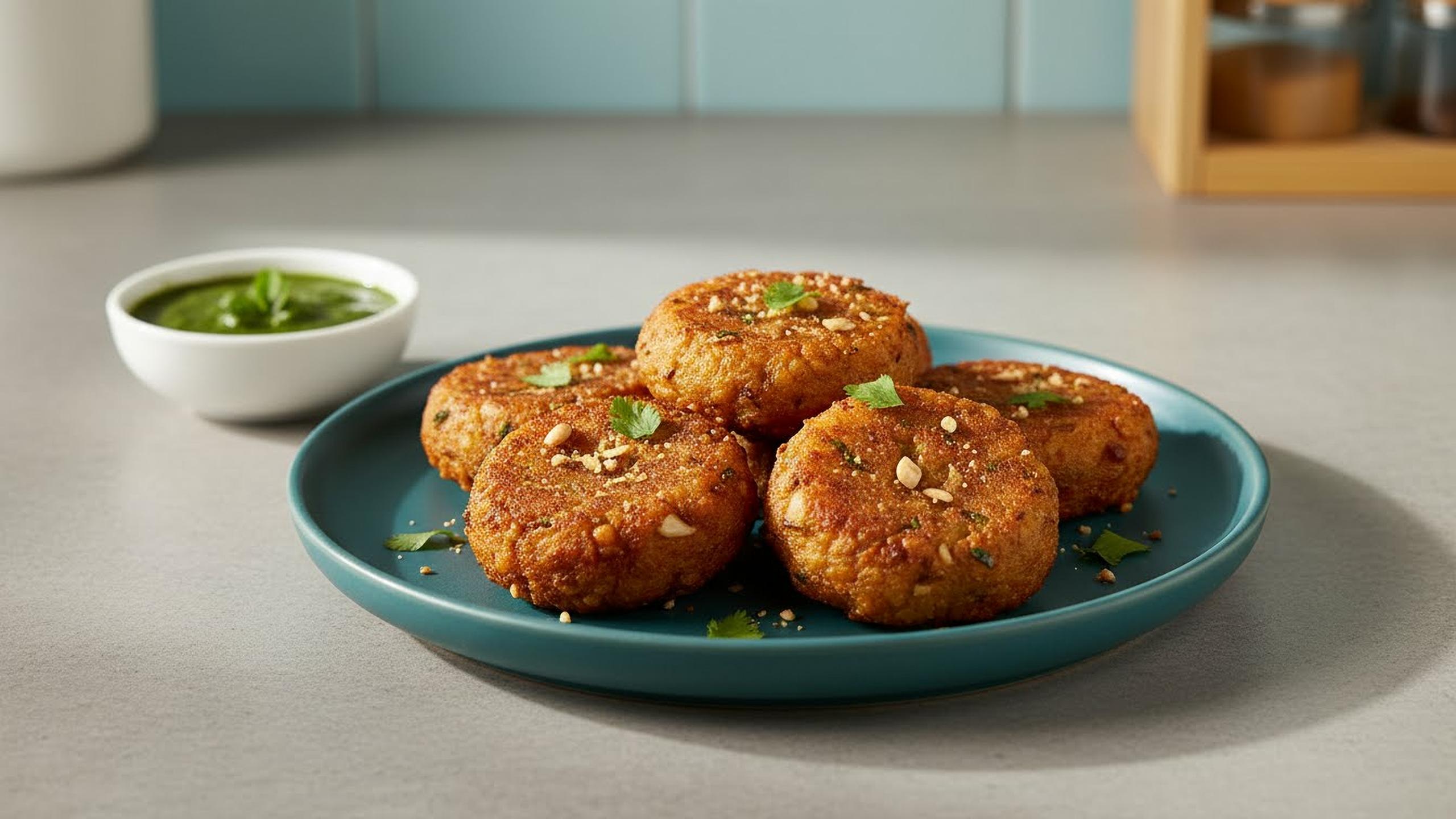
Though they first appeared in India over a decade ago, air fryers have only recently moved from a niche appliance to a mainstream kitchen staple. Marketed as a revolutionary way to cook with up to 80% less oil, the air fryer functions like a compact convection oven, circulating hot air to create a crispy finish. For many health-conscious Indians, this was the solution they had been waiting for. It promised the ability to enjoy favourites like samosas, pakoras, and tikkis without the guilt associated with deep-frying. The appliance's popularity surged, driven by its convenience, multi-functionality (many can also grill, bake, and roast), and its alignment with modern wellness goals.
Reimagining Vrat Classics for Modern Times
The air fryer has proven to be remarkably adaptable for vrat cooking. Traditional snacks that were once submerged in hot oil are now being successfully reimagined. Sabudana Vadas, for example, can be brushed with a touch of ghee and air-fried until golden and firm, retaining their soft interior and crisping up on the outside. Similarly, pakoras made from buckwheat flour (kuttu) or water chestnut flour (singhara) crisp up beautifully in an air fryer. Other recipes like Arbi Fries, Sweet Potato Chaat, and Paneer Tikka are also perfectly suited for this modern appliance. The result is food that respects fasting rules and delivers familiar flavours but is significantly lighter and easier to digest.
The Future of Festive Feasting
The move from deep-fried to air-fried vrat snacks is more than just a passing trend; it reflects a deeper cultural evolution. It shows how traditions can adapt to modern knowledge and lifestyles without losing their essential spirit. The core of vrat cooking remains the use of permissible, sattvik ingredients. The air fryer is simply a new tool that allows families to uphold these traditions in a healthier way. As this technology becomes even more accessible and versatile, it's likely to influence not just fasting foods but all festive cooking, ensuring that cherished recipes can be enjoyed for generations to come, in a way that nourishes both body and soul.