





Understanding the Satisfaction Gap
That feeling of post-meal satisfaction, or satiety, isn't just about how much you eat. It’s a complex response to a meal's nutritional and sensory profile. Often, when vegetarian meals feel unsatisfying, it's because they're missing a few key elements
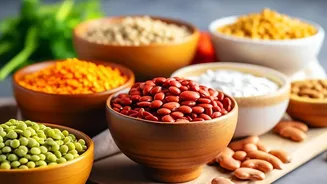
that our bodies associate with a hearty meal. Protein, fibre, and healthy fats are the primary drivers of satiety. Protein, in particular, is known to be highly satiating. While the plant kingdom is full of protein powerhouses like lentils, chickpeas, and paneer, another crucial element is often overlooked: texture and a specific savoury taste known as umami. Many people who are new to plant-based eating find themselves missing the dense, chewy texture and the deep, savoury flavour that meat provides. A simple salad or a light vegetable curry, while nutritious, can leave a void that a plate of dal or a bowl of roasted vegetables might not always fill.
The Game-Changing Swap: Enter the Mushroom
The single most effective swap to bridge this satisfaction gap is introducing mushrooms. Specifically, using mushrooms as a direct replacement for meat in traditionally non-vegetarian dishes. Why mushrooms? Because they uniquely deliver on two fronts: umami and texture. Umami is the fifth basic taste, described as a pleasant, 'meaty' or 'brothy' flavour that coats the tongue and makes food taste richer and more complete. Mushrooms, especially varieties like shiitake and cremini (baby bella), are naturally packed with glutamates, the compounds that trigger our umami receptors. This savoury depth is what often makes meat-based dishes so craveable. By incorporating mushrooms, you are adding that foundational layer of flavour that can make a vegetarian dish taste profoundly more complex and satisfying, helping to eliminate that feeling that 'something is missing'.
More Than Flavour: The Texture Trick
Beyond their flavour, mushrooms possess a remarkable ability to mimic the texture of meat. When cooked correctly, they develop a firm, dense, and satisfyingly chewy bite. This is key to feeling full. A study found that meals containing mushrooms were reported to be just as satisfying as meat-based meals, partly due to this textural satisfaction. Another study found that participants reported less hunger and greater feelings of fullness after eating a breakfast with mushrooms compared to a protein-matched meal with lean beef. Think of finely chopped mushrooms replacing mince in keema, thick portobello slices standing in for chicken in stir-fries, or oyster mushrooms providing a meaty pull in wraps. This textural heft adds a sensory experience that tricks your brain into registering the meal as more substantial and filling, even though mushrooms are low in calories.
How to Cook Mushrooms for a Meaty Bite
Unlocking the meaty potential of mushrooms is all about how you cook them. The biggest mistake is overcrowding the pan, which causes them to steam and become soggy. To achieve a rich brown colour and firm texture, cook them in a hot pan with enough space, allowing their moisture to evaporate completely before they start to caramelise. Don't salt them until the end of the cooking process, as salt can draw out water and prevent browning. For a minced-meat texture, pulse cremini or button mushrooms in a food processor until finely chopped, then sauté until deeply browned. For 'steaks' or larger pieces, use thick slices of portobello or king oyster mushrooms and grill or pan-sear them on high heat to get a delicious crust. This concentrates their flavour and creates that desirable chew.