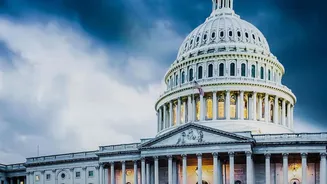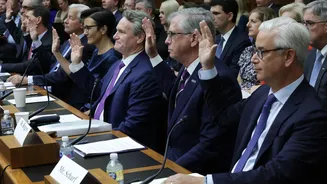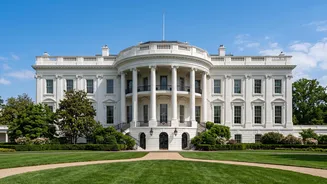

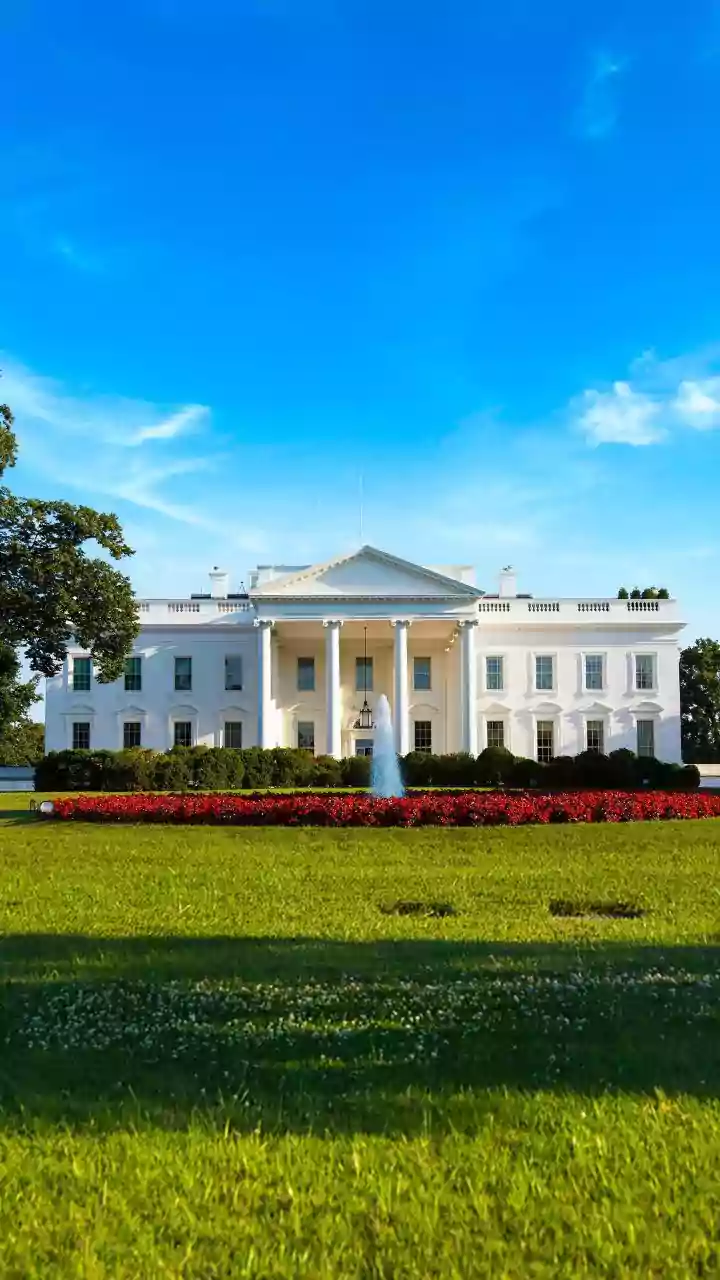



After the dramatic 2026 midterm elections, the balance of power in Washington has shifted. With a new Congress, one of the president’s most significant tools comes into focus: the veto. It's a power that can stop a bill in its tracks.
What is a Presidential Veto?
The presidential
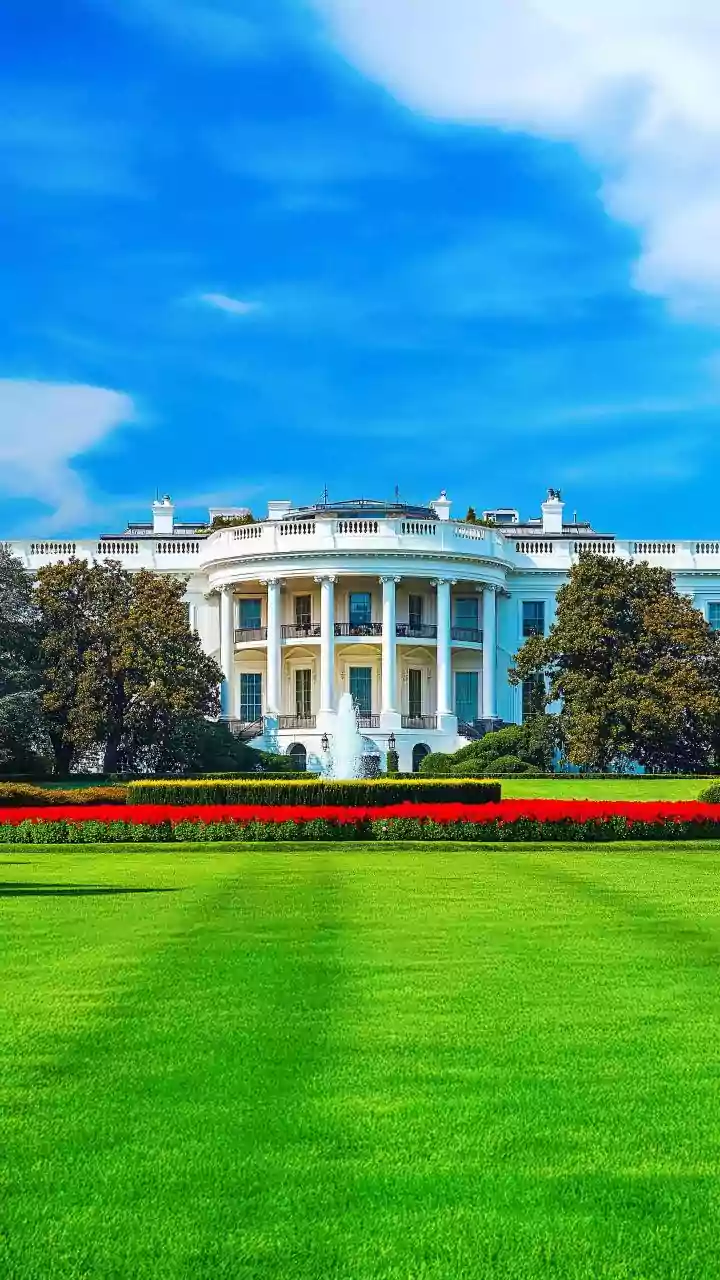
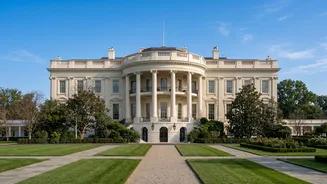
veto is a power granted by the U.S. Constitution that allows the president to refuse to sign a bill passed by Congress, thereby preventing it from becoming law. When Congress passes a bill, it is sent to the White House. The president then has ten days (excluding Sundays) to act. If the president approves, they sign it into law. If they disapprove, they can return it to the house of Congress where it originated with a message explaining their objections. This action is a 'regular veto'. This power serves as a crucial check on the legislative branch, ensuring that the president has a say in the lawmaking process. However, the president cannot pick and choose parts of a bill to reject; they must veto the entire piece of legislation.
How Congress Can Fight Back: The Veto Override
A presidential veto is powerful, but it is not absolute. The Constitution provides a way for Congress to have the final word through a 'veto override'. To override a veto, the bill must be passed again, but this time by a two-thirds majority in both the House of Representatives and the Senate. If both chambers achieve this high threshold, the bill becomes law without the president's signature. However, this is a difficult feat. Achieving a two-thirds consensus requires significant bipartisan support, which is rare in today's polarized political climate. Historically, only about 7% of presidential vetoes have ever been overridden by Congress, illustrating the difficulty of mustering the necessary votes.
The 'Pocket Veto' Explained
There is another, more subtle type of veto known as the 'pocket veto'. This occurs if a bill is sent to the president with fewer than 10 days left before Congress adjourns. If the president simply does nothing—neither signing nor vetoing the bill—and Congress adjourns within that 10-day period, the bill automatically dies. This is called a pocket veto because the president can effectively kill the bill by just 'keeping it in their pocket'. Unlike a regular veto, a pocket veto is absolute and cannot be overridden by Congress. The only recourse for lawmakers is to reintroduce the bill and start the entire legislative process over in the next session.
Vetoes in the Trump Era
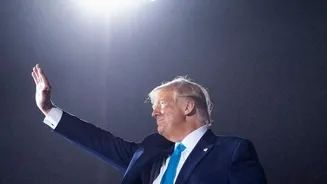
To understand how this power is used in modern politics, one can look at the presidency of Donald Trump. During his first term, he issued ten vetoes. Congress was only successful in overriding one of these: the National Defense Authorization Act for Fiscal Year 2021. This override happened in the final days of his term and required strong bipartisan support. Vetoes become especially common during periods of divided government—when the president's party does not control both houses of Congress. The threat of a veto alone can be a powerful negotiating tool, forcing Congress to alter legislation to make it more acceptable to the White House.
Power After the 2026 Midterms
The 2026 midterm elections resulted in a significant shift, with the Democratic Party winning control of both the House of Representatives and the Senate. This creates a new dynamic for the remainder of the presidential term. With the opposition party now controlling the legislative agenda, the president's veto becomes an even more critical defensive tool. It is the primary mechanism to block legislation passed by the new majority that does not align with any administration's goals. While Democrats now hold majorities, they are not projected to have enough votes—290 in the House and 67 in any Senate—to override a presidential veto on their own. This means they would still need to attract a significant number of Republican crossover votes to turn any vetoed bill into law, setting the stage for intense political battles.