

The First Step: What is the Tentative List?
Before a site can be officially nominated for World Heritage status, a country must first place it on what is known as the Tentative List. This is an inventory of properties that a nation considers to have 'outstanding universal value' and may decide
to nominate in the coming years. Getting on this list is a mandatory prerequisite, and the Permanent Delegation of India to UNESCO announced this significant move on October 20, 2026, after the Archaeological Survey of India (ASI) completed extensive research and documentation.
A Landscape of Fire and Water in the Andamans
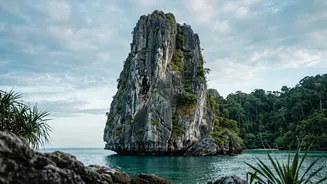
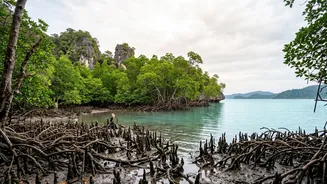
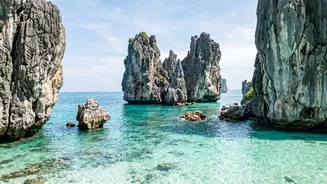
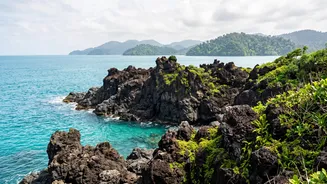
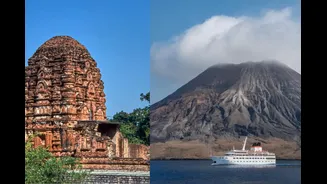
Two of the new additions are natural wonders located in the Andaman and Nicobar Islands. The first is the Karst-mud-volcano Complex of Baratang. This site is remarkable for its dual geological phenomena: extensive limestone caves formed over millennia and active mud volcanoes, locally known as 'jalki'. These volcanoes, which last erupted in 2025 after two decades of dormancy, are not driven by magma but by underground pressure, expelling cool mud and gases. The second site is the Andaman Subduction Volcanoes, covering Barren Island—home to India’s only confirmed active volcano—and Narcondam Island, a key biodiversity area. These sites are living laboratories, showcasing major stages of the earth's history.
A Lost Capital in Chhattisgarh
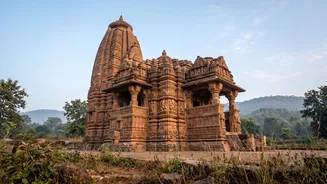
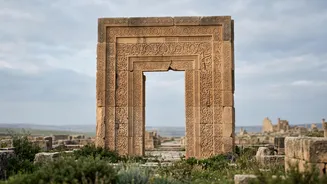
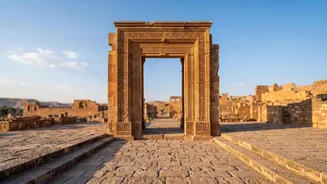
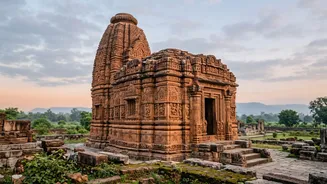
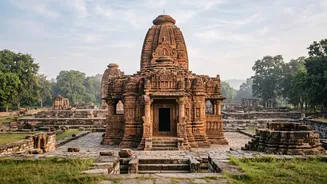
The third site is the Sirpur Cultural and Archaeological Landscape in Chhattisgarh. Located on the banks of the Mahanadi River, Sirpur was a flourishing capital of the Dakshina Kosala kingdom between the 5th and 12th centuries. The archaeological remains are a rich tapestry of Indian religious history, featuring one of India’s earliest brick temples, the Lakshmana Temple, alongside Shaiva and Vaishnava shrines and both Buddhist and Jain viharas. The site is not just a collection of ruins; it is an integrated medieval urban complex that includes a royal palace area, market complexes, and bathing ghats, reflecting a sophisticated ancient city. The surrounding area is also home to indigenous Gond and Baiga communities, adding a living cultural dimension to the historical landscape.
The Long Road to a World Heritage Badge
While inclusion on the Tentative List is a monumental achievement, the journey to becoming a full-fledged World Heritage Site is long and rigorous. After a site has been on the list, the state party can prepare a nomination file, which is then submitted to the World Heritage Centre for review. This file is independently evaluated by two Advisory Bodies: the International Council on Monuments and Sites (ICOMOS) for cultural sites and the International Union for Conservation of Nature (IUCN) for natural sites. Finally, the World Heritage Committee, composed of representatives from 21 countries, makes the final decision on inscription. The entire process can take several years, but the potential rewards are immense.
Why the UNESCO Tag Matters So Much
A UNESCO World Heritage designation is more than just a title; it is a recognition that a site possesses 'outstanding universal value' that transcends national boundaries. This global prestige often leads to increased tourism, which can boost local economies. More importantly, it brings access to the World Heritage Fund for preservation and opens doors to international technical assistance and expertise. The designation also legally binds the host country to protect the site under international conventions, raising awareness among citizens and governments and ensuring these irreplaceable treasures are conserved for all of humanity and future generations.