



The First Step: The Power of the Blend
To achieve a truly smooth sauce, you must break down the solids. While hand-crushing tomatoes can create a rustic texture, it won't deliver the silky consistency many associate with restaurant-quality sauces. This is where a blender becomes your most
valuable tool. The high-speed blades pulverize tomato skins, seeds, and flesh into a uniform liquid. For this task, you have two main options: an immersion (or stick) blender and a countertop blender. An immersion blender offers convenience, allowing you to blend the sauce directly in the pot, which minimizes cleanup. However, for the absolute smoothest result, a powerful countertop blender is superior, as its vortex action is more effective at completely liquefying all components. A word of caution: if using a countertop blender with hot liquids, never fill it more than halfway and remove the stopper from the lid, covering the opening with a kitchen towel to allow steam to escape and prevent a dangerous pressure buildup.
The Second Step: The Magic of a Slow Simmer
Blending creates a uniform liquid, but simmering is what transforms it into a sauce. This slow, patient process does two critical things for texture. First, it allows excess water to evaporate, naturally thickening the sauce. This concentration of ingredients is what turns a thin purée into a rich, robust sauce that can coat pasta rather than pool at the bottom of the bowl. Second, simmering helps meld flavors and further soften any remaining solids. The gentle heat allows aromatics like garlic and herbs to infuse the entire batch, while acidity mellows, creating a more balanced and cohesive flavor profile that complements the smoother texture. The length of the simmer is a matter of preference; a quick 30-minute simmer will yield a fresh, bright sauce, while a longer simmer of an hour or more will develop deeper, more complex flavors and a thicker consistency.
Perfecting the Process
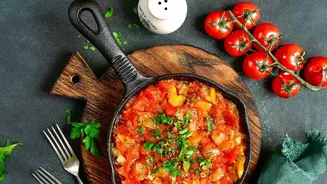
While there are many ways to make tomato sauce, a common and effective method is to first cook your base ingredients—like onions, garlic, and whole tomatoes—until the tomatoes have broken down. Then, after letting the mixture cool slightly, blend it until smooth. Finally, return the blended sauce to the pot for a long simmer. This order of operations ensures the initial flavors are developed through cooking before being unified into a smooth base that is then thickened and deepened through simmering. Some recipes even advocate for blending the raw tomatoes first and then simmering the resulting purée for a longer period. Both methods work, but cooking the aromatics first tends to build a more complex flavor foundation.
Beyond the Basics: Other Paths to Smoothness
While blending and simmering are the pillars of a smooth sauce, other factors can enhance the final texture. Adding a fat like extra virgin olive oil or a knob of butter at the end of cooking can create a richer, more velvety mouthfeel through emulsification. For those who want an ultra-smooth, seedless sauce without the aeration that can come from a blender, a food mill is an excellent alternative. This manual tool works by pushing cooked tomatoes through a perforated plate, separating the pulp from the skins and seeds, resulting in a refined purée. Furthermore, the natural pectin found in tomato skins contributes to the sauce's thickness. Blending the skins into the sauce, rather than discarding them, helps harness this natural thickener, though an enzyme in fresh tomatoes can break it down unless it's neutralized with a quick boil before simmering.