






The Quiet Power of Your Core
Before diving into the how, let's clarify the what. Core stability is about more than just a six-pack. It’s the integrated strength of a complex group of muscles around your trunk, including your deep abdominals, back muscles, and pelvic floor. These
muscles work together to support your spine, maintain posture, and provide a solid foundation for all your movements, from walking up stairs to lifting groceries. A stable core is fundamental to good balance, preventing lower back pain and reducing the risk of injury in everyday life. It’s the unsung hero of your body's functional strength.
How Tai Chi Builds Strength from Within
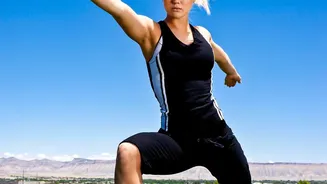
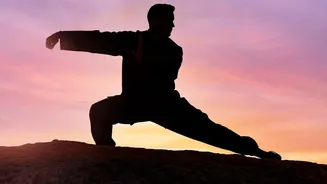
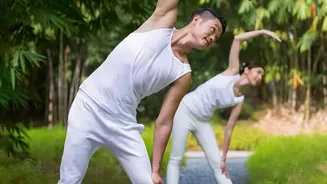
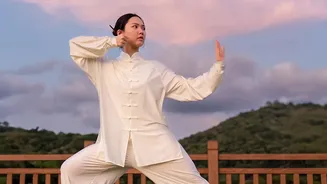
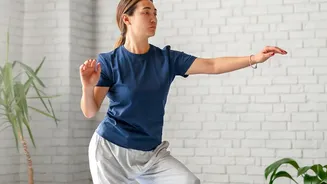
Often described as 'meditation in motion', Tai Chi involves a series of slow, flowing, and deliberate movements. While it may look deceptively simple, this continuous motion is a 'sneaky workout' for your core. As you shift your weight smoothly from one posture to another, your deep stabilizing muscles must constantly engage to control the movement and maintain balance. Unlike exercises that isolate one muscle group, Tai Chi trains the core as an integrated system. The twisting motions, controlled leg lifts, and focus on an upright, aligned posture all force the abdomen and lower back to work continuously, building functional strength from the inside out.
Why 'Gentle' Is a Major Advantage
The low-impact nature of Tai Chi is its greatest asset. The movements are relaxed and circular, and joints are never fully extended or locked in a stressful position. This dramatically reduces the risk of the strains and injuries often associated with more conventional core workouts. This makes it an exceptionally accessible form of exercise for people of all ages and fitness levels. It's particularly beneficial for older adults looking to improve balance and prevent falls, individuals managing arthritis, or those recovering from injuries who need a safe way to rebuild strength without taxing their joints.
More Than Just Physical Stability
The benefits of Tai Chi extend beyond the purely physical. The practice demands a sharp mental focus and coordination with deep, rhythmic breathing. This mind-body connection helps quiet distracting thoughts, reduce stress, and improve your body’s awareness of its position in space, a skill known as proprioception. Enhanced proprioception directly translates to better balance and coordination. By calming the nervous system and improving mental clarity, Tai Chi fosters a sense of overall stability that supports its physical benefits, creating a holistic approach to wellness.
Your First Steps into Tai Chi
Getting started with Tai Chi is straightforward because it requires no special equipment. The key is learning the proper form to reap the full benefits. Look for a qualified instructor who can guide you through the foundational movements and principles of posture and breathing. Many community centres and online platforms offer beginner classes. Wear comfortable clothing that allows you to move freely. The most important thing is to be patient with yourself. Tai Chi is a practice, not a performance. Focus on the feeling of the movements and the connection with your breath, and you'll be on your way to building a stronger, more stable core.