







Decoding 'Ultra-Processed' Foods
First, let's clarify what 'ultra-processed foods' (UPFs) really means. This term comes from the NOVA classification system, which categorises food by its level of processing. While minimally processed foods include items like fresh fruit, vegetables,
and plain dal, ultra-processed foods are on the other end of the spectrum. These are industrial formulations made mostly from substances extracted from foods, along with additives like artificial flavours, colours, and emulsifiers. Think of products that have a long shelf life and contain ingredients you wouldn't find in a home kitchen. Common examples in an Indian pantry might include instant noodles, packaged sweet and savoury snacks like chips, biscuits, sugary breakfast cereals, soft drinks, and ready-to-heat meals. They are designed to be convenient and hyper-palatable, but often lack the nutritional value of whole foods.
Understanding Atherosclerosis
Atherosclerosis is a medical term for a condition more commonly known as the hardening or clogging of the arteries. It happens when a sticky substance called plaque—made up of fat, cholesterol, calcium, and other substances—builds up on the inner walls of your arteries. Over time, this plaque hardens and narrows the arteries, restricting the flow of oxygen-rich blood to vital organs, including the heart and brain. This process is slow and can start in childhood, but it's the primary underlying cause of many serious cardiovascular events, such as heart attacks and strokes.
What the UK Biobank Study Found
The recent study, a prospective analysis of over 133,000 participants from the UK Biobank, set out to investigate the direct relationship between UPF consumption and atherosclerosis. The findings were significant and demonstrated a clear dose-response relationship, meaning the risk increased as consumption went up. The research showed that participants who ate the most ultra-processed foods had a notably higher risk of developing atherosclerosis compared to those who ate the least. Specifically, those in the top quarter for UPF consumption by grams per day had a 29% increased risk of atherosclerosis compared to those in the bottom quarter. When measured by servings per day, the risk for the highest consumers was 40% higher. The conclusion was clear: higher consumption of ultra-processed foods is associated with an increased risk of developing clogged arteries.
Why This Link Matters for Your Diet
This study adds to a growing body of evidence suggesting that the 'how' of food production is just as important as the nutrients it contains. Ultra-processed foods are typically high in unhealthy fats, added sugar, and salt, while being low in fibre and essential nutrients—a combination long known to be detrimental to heart health. The industrial processing itself, along with the array of additives, may also play a role in promoting inflammation and other metabolic issues that contribute to plaque buildup. While not all processed foods are bad—think of canned beans or wholemeal bread—ultra-processed varieties are specifically formulated for convenience and profit, often at the expense of health. Other major studies have found similar links between high UPF intake and adverse cardiovascular events, reinforcing the message that these foods should be consumed with caution.
Making Healthier Choices in India
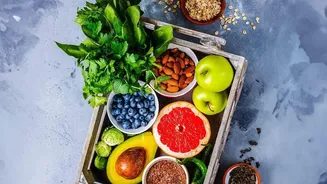
As lifestyles in India become faster-paced, the reliance on convenient, packaged foods is on the rise. While it’s unrealistic to eliminate all processed foods, this research highlights the importance of being mindful. A simple first step is to read ingredient labels. If the list is long and full of unrecognisable chemical names, it's likely a UPF. Prioritising whole foods—like fresh vegetables, fruits, legumes, and whole grains—is the cornerstone of a heart-healthy diet. Cooking at home more often allows you to control the ingredients, reducing intake of excessive salt, sugar, and unhealthy fats. Swapping a packaged snack for a piece of fruit or a handful of nuts, or a sugary drink for water or buttermilk, are small but powerful changes that can reduce your overall UPF consumption and support long-term cardiovascular health.