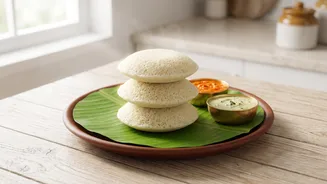


Long before rice and wheat dominated our plates, ancient grains like foxtail millet were a staple in Indian homes. Now, this humble superfood is making a well-deserved comeback, and there’s no better introduction than a plate of soft, fluffy idlis.
Meet the Ancient Grain: What Is Foxtail Millet?
Foxtail
millet, known as 'Thinai' in Tamil, 'Kangni' in Hindi, and 'Korra' in Telugu, is one of the world's oldest cultivated grains. For centuries, it was a dietary cornerstone across Asia, especially in the dry and arid regions of India where it grows with minimal water. Unlike refined grains that are stripped of their nutrients, foxtail millet is a whole grain, naturally gluten-free and packed with goodness. It has a mild, nutty flavour and a slightly coarse texture that makes it incredibly versatile in the kitchen, adapting beautifully to recipes that traditionally use rice or semolina. Today, as people seek healthier, more sustainable food choices, this tiny yellow grain is being rediscovered for its immense nutritional value and culinary potential.
Why Foxtail Millet is a Kitchen Essential
The renewed popularity of foxtail millet isn't just about tradition; it's backed by science. It is a nutritional powerhouse, rich in protein, dietary fibre, and essential minerals. With a low glycemic index (GI), it releases sugar into the bloodstream slowly, which helps in managing blood sugar levels and makes it an excellent grain for diabetics. Studies have shown that a foxtail millet dosa has a significantly lower GI than a standard rice dosa. The high fibre content aids digestion, promotes a feeling of fullness to help with weight management, and supports heart health by helping to lower 'bad' cholesterol. Furthermore, it is a great source of iron, calcium, and magnesium, which are vital for bone health and boosting immunity.
The Ultimate Foxtail Millet Idli Recipe
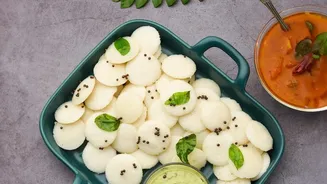
These idlis are soft, light, and a fantastic way to introduce millet into your family's diet. The key to perfect millet idlis lies in proper soaking and fermentation. Ingredients: - 2 cups Foxtail Millet (Thinai/Kangni) - ½ cup Urad Dal (split black gram) - 1 teaspoon Fenugreek Seeds (Methi) - Salt to taste - Water for soaking and grinding - Oil for greasing the idli moulds This ratio provides a good balance, creating a batter that ferments well and produces soft idlis.
Step-by-Step Instructions
1. Soak the Grains: Wash the foxtail millet thoroughly in water 2-3 times. In a separate bowl, wash the urad dal and fenugreek seeds. Soak the millet and the dal mixture in separate bowls with plenty of water for at least 6 to 8 hours, or overnight. 2. Grind the Batter: Drain the water from the urad dal and fenugreek seeds. Grind them in a wet grinder or a high-speed blender, adding a little cold water as needed, until you have a smooth, light, and fluffy batter. Transfer this to a large bowl. Next, drain the foxtail millet and grind it to a smooth, slightly granular paste, similar to fine rava. 3. Mix and Ferment: Combine the ground millet batter with the urad dal batter in the large bowl. Add salt and mix everything well with your clean hands. This helps in the fermentation process. Cover the bowl and let it ferment in a warm place for 8 to 12 hours. The batter should rise and have a pleasant, sour aroma. 4. Steam the Idlis: Once fermented, gently stir the batter without knocking out all the air. Grease your idli moulds with a little oil. Pour the batter into the moulds. Steam in an idli cooker or a steamer for 10-15 minutes, or until a toothpick inserted into the centre comes out clean. Let them rest for a few minutes before demoulding. Serve hot with your favourite chutney and sambar.
Beyond Idli: More Ways to Cook with Foxtail Millet
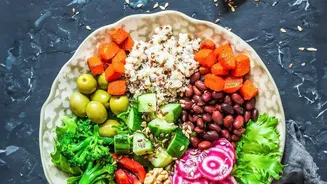
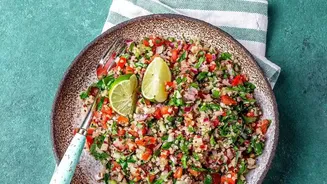
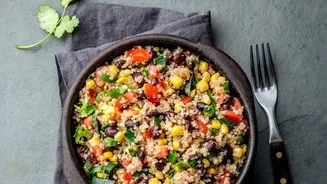
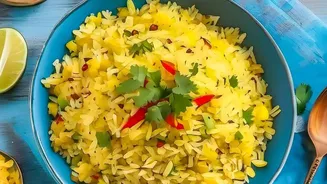
Foxtail millet's versatility extends far beyond idli. Once you get comfortable with it, you can use it in numerous dishes. The key first step is always to rinse it well and soak it for at least 30 minutes to ensure it cooks evenly and has a good texture. You can easily substitute it for rice in dishes like pulao, lemon rice, or khichdi. Simply cook the soaked millet with vegetables and spices for a quick and nutritious meal. It also makes a wonderful upma, offering a more nutritious and filling alternative to semolina. For a simple porridge, cook the millet with water or milk and add your preferred sweeteners and toppings. With its subtle flavour, it seamlessly absorbs the spices and ingredients it's cooked with, making it a fantastic canvas for your culinary creativity.