








A Fundamental Shift in Policy
The Trump administration's approach to immigration was characterized by a broader philosophy of heightened scrutiny and prioritizing domestic interests. This perspective extended to student visas, which had long been viewed as a cultural and economic
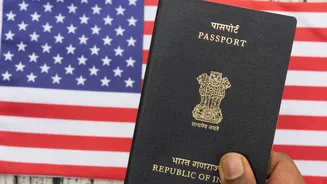
benefit to the United States. The administration began to frame parts of the student visa system, particularly post-study work programs, as loopholes that disadvantaged American workers. This marked a significant change from the long-standing policy of welcoming international students, who contribute billions to the US economy and often fill crucial roles in STEM fields. The new stance introduced a wave of uncertainty and anxiety for prospective and current students, particularly those from India, who represent one of the largest groups of international students in the US.
The 'Duration of Status' Debate
One of the most significant proposed changes was the elimination of the “duration of status” (D/S) policy for F-1 student visas. For decades, D/S allowed students to remain in the US for as long as it took to complete their academic program, providing flexibility for those in lengthy PhD programs or who needed extra time. The administration sought to replace this with a fixed four-year cap. If students needed more time, they would have to apply for an extension, a costly and bureaucratic process with no guarantee of approval. This proposal was met with widespread criticism from universities and students, who argued it created unnecessary hurdles and ignored that many graduate programs naturally exceed four years. Though the rule was finalized in July 2026, its implementation was challenged and eventually rescinded by the subsequent administration.
Squeezing Post-Study Work
Optional Practical Training (OPT) is a program that allows students to work in the US for up to 12 months (with a 24-month extension for STEM fields) after graduation. It is a critical pathway for gaining real-world experience and is a major draw for Indian students. The Trump administration viewed OPT with suspicion and explored ways to curtail it. The most dramatic proposal floated was the idea of charging a $100,000 fee to participate in the program. While this fee was never implemented, the mere suggestion sent shockwaves through the international education community. It signaled a deep-seated desire to disconnect US education from US work experience, potentially driving top talent to competitor countries like Canada and the UK, which often have more straightforward post-study work policies.
Heightened Vetting and Falling Numbers
Beyond specific rule changes, the era was defined by a general increase in vetting for visa applicants. This included more intense interviews, scrutiny of social media, and a higher bar for proving an applicant's intent to return to their home country after their studies. This tougher environment had a measurable impact. Reports from 2025 and 2026 noted a sharp decline in the number of F-1 visas issued to Indian students, with one analysis showing a drop of over 60% during the peak visa season in 2025. This decline in new student enrollment created financial challenges for US universities, which rely on tuition from international students, and prompted concern about the US losing its competitive edge in the global race for talent.
A Legacy of Uncertainty
While many of the most restrictive policies proposed during the Trump administration were either legally challenged, never fully implemented, or later reversed by the Biden administration, the period left a lasting impact. The administration's rhetoric and policy proposals altered the perception of the United States as a reliably welcoming destination for students and scholars. The experience served as a powerful reminder that immigration policies can shift dramatically, creating a sense of instability for students whose life plans are years in the making. The mental health of students during this period was also negatively affected due to the constant stress over their visa status and future prospects.