
The Mouth-to-Body Connection
The growing emphasis on pet dental care stems from a greater understanding of how oral health impacts a pet's entire body. Neglected teeth can lead to periodontal disease, a condition vets estimate affects the majority of dogs and cats by age three. Bacteria
from an unhealthy mouth can enter the bloodstream, potentially causing or worsening issues in the heart, kidneys, and liver. This systemic link is why veterinarians now stress that a healthy mouth is a fundamental part of preventive care, helping to ensure a pet's overall well-being and longevity.
Signs of Dental Trouble
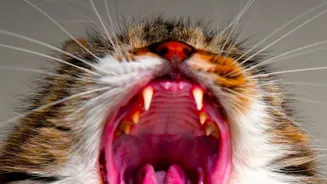
Many pets are skilled at hiding pain, so owners may not realize a problem exists until it becomes severe. Being proactive means watching for the early warning signs of dental issues. The most obvious sign is persistent bad breath, which should not be considered normal for a dog or cat. Other red flags include yellow or brown tartar buildup on the teeth, red, swollen, or bleeding gums, and changes in eating habits. An animal might chew on one side of its mouth, drop food, or show a sudden reluctance to eat hard kibble. If you notice any of these signs, a check-up is in order.
How to Build a Home Dental Routine
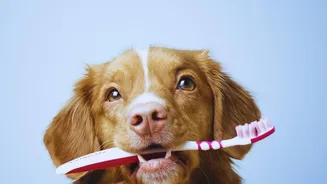
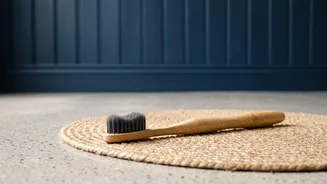
Starting a dental care routine at home is the most effective way to prevent plaque from hardening into tartar. Daily brushing is the gold standard, but even doing it a few times a week can make a significant difference. It's crucial to use toothpaste formulated specifically for pets, as human toothpaste contains ingredients like fluoride and xylitol that are toxic if swallowed. Pet-friendly toothpastes come in appealing flavours like poultry or peanut butter to make the experience more positive. You can use a soft-bristled pet toothbrush, a finger brush, or even gauze wrapped around your finger to gently clean the outer surfaces of the teeth, where most plaque accumulates.
Making Brushing a Positive Experience
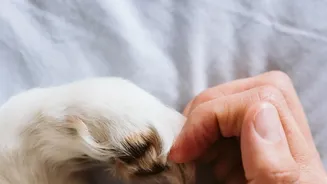
The key to success is patience and positive reinforcement. Start slowly by letting your pet sniff and lick the toothpaste from your finger for a few days. Once they are used to the taste, gently rub their teeth and gums with your finger before introducing a brush. Keep the first few sessions very short, focusing on just a few teeth and offering plenty of praise or a small treat afterward. Gradually increase the duration until you can manage about 30 seconds for each side of the mouth. The goal is to make it a low-stress, routine part of their day.
Beyond the Toothbrush
While brushing is most effective, other products can supplement your efforts and provide significant benefits, especially for pets who resist brushing. The market for pet dental health is growing, with dental treats and chews projected to hold a major market share in 2026. Look for products with the Veterinary Oral Health Council (VOHC) seal, which certifies that they meet standards for reducing plaque or tartar. Other helpful options include water additives that help kill plaque-causing bacteria, dental sprays, and specially formulated dental diets with kibble designed to create a scrubbing action. These tools can be excellent additions to a comprehensive oral health plan.