




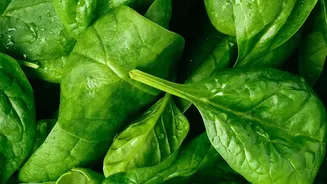
1. Leafy Greens
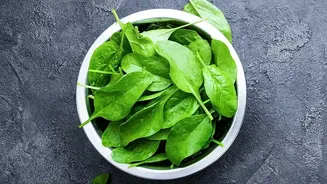
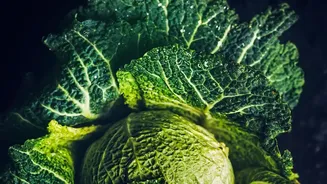
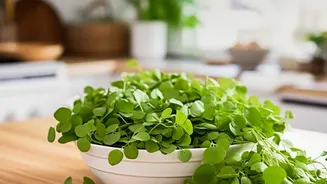
Vegetables like spinach (palak), fenugreek (methi), and cabbage have leaves with many layers where mud, moisture, and tiny insects can get trapped. The high humidity during the monsoon creates a perfect breeding ground for bacteria and fungi on these
surfaces. Consuming them without meticulous cleaning can increase the risk of stomach infections, diarrhea, and other foodborne illnesses. To prepare them safely, separate each leaf and wash it individually under running water. Soaking the greens in a bowl of salt water or a vinegar solution for 10-15 minutes can help dislodge hidden pests and reduce microbial contamination. It is highly recommended to cook these vegetables thoroughly, as heat helps kill any remaining harmful microorganisms.
2. Cruciferous Vegetables
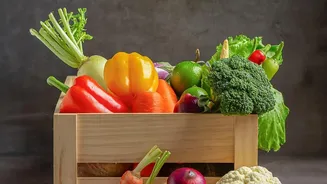
Cauliflower (gobhi) and broccoli are notorious for harbouring worms and pests within their tightly packed florets. The dense structure makes it difficult for a simple rinse to be effective. During the monsoon, the damp conditions can promote the growth of mould and fungi deep inside the vegetable, which may not be visible from the outside. Before cooking, it's a good practice to cut the florets and soak them in warm salt water for about 15 minutes. This can help draw out any hidden insects. Blanching the florets in hot water for a minute before adding them to your main dish is another effective step to ensure they are clean and safe to eat.
3. Root Vegetables
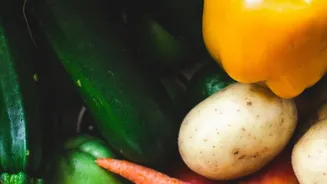
While many root vegetables like carrots and radishes are well-suited for monsoon cultivation, they require careful handling after harvest. Since they grow underground, they are prone to soil contamination, and the risk increases in waterlogged monsoon soil. Potatoes, in particular, can develop sprouts more quickly in humid weather, which can lead to higher levels of solanine, a natural toxic compound. When buying root vegetables, inspect them carefully for any signs of spoilage, mould, or excessive softness. Avoid any that appear wilted or damaged. It is crucial to wash them thoroughly under running water, using a vegetable brush to scrub the skin and remove any caked-on mud.
4. Brinjal (Eggplant)
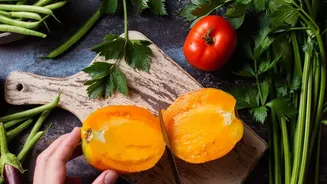
Brinjal, a staple in many Indian households, tends to attract more insect infestations during the rainy season. The plant naturally produces compounds called alkaloids to protect itself from pests, and these can be higher during this time. For some people, this can cause mild allergic reactions or digestive issues. Furthermore, the spongy texture of brinjal can absorb excess moisture from the humid air, accelerating spoilage and rot from the inside. Always check brinjals for freshness, ensuring the skin is firm and smooth. It’s wise to cut them open to inspect for any signs of pests or decay right before cooking.
5. Pre-cut and Raw Vegetables
Convenience can come at a cost to your health during the monsoon. Pre-cut vegetables sold in packets or raw salads served at restaurants pose a higher risk. The combination of high humidity and exposure to air allows bacteria to multiply rapidly on cut surfaces. Similarly, raw vegetables like cucumbers, tomatoes, and carrots used in salads can carry germs on their surface that, without the sterilizing effect of cooking, can easily enter your digestive system. Health experts advise against eating raw vegetables outside the home during this season. If you enjoy salads, prepare them fresh at home after washing the ingredients thoroughly with safe, clean water.