




A New Frontier for Wildlife Tourism
The Ladakh administration, led by Lieutenant Governor V.K. Saxena, has given the green light to guided jeep safaris across the region's stunning high-altitude landscapes. This isn't just another tourist activity; it's a structured effort to open up some
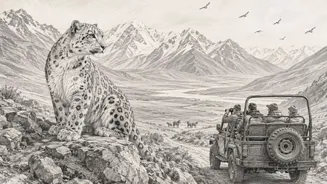
of India's most fragile and breathtaking environments to responsible tourism. The decision was made during the first meeting of the newly formed Snow Leopard and High-Altitude Nature (SHAN) Conservation Society. The plan is to model these safaris on successful ventures in national parks like Kaziranga and Ranthambore, using specially designed open-back vehicles operated by trained locals. The primary goal is to provide a regulated and safe way for visitors to experience Ladakh's unique fauna while preventing the environmental damage caused by illegal off-roading that can disturb sensitive wildlife.
The Star of the Show: The Snow Leopard
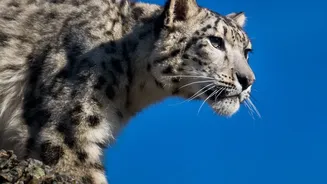
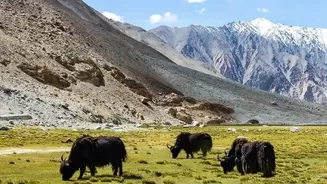
At the heart of this initiative is the elusive snow leopard, often called the 'ghost of the mountains'. Ladakh is a crucial habitat for this magnificent creature, hosting an estimated 477 of India's total population of 718. The new safari routes are specifically designed to traverse known snow leopard and bird-watching trails. The Forest Department has been tasked with identifying the best routes across vast areas, including Hemis National Park, the Changthang and Karakoram Wildlife Sanctuaries, and wildlife-rich zones like Nubra, Zanskar, and Kargil. Beyond the snow leopard, Ladakh is a biodiversity hotspot, home to over 38 mammal species and around 340 species of birds, making it a paradise for wildlife enthusiasts.
More Than a Safari: A Conservation Model
This project is being framed as a significant step forward for eco-tourism. The core idea is to create a system where tourism directly contributes to conservation and the local economy. Officials have stressed that this is a pioneering government model where local communities are made equal partners in the effort. By regulating tourist movement, the administration hopes to minimize human impact on the delicate ecosystem. The SHAN Conservation Society will oversee a broader roadmap that includes community-led wildlife conservation, waste management initiatives, and the promotion of plastic-free, sustainable tourism across Ladakh. Carefully selected routes will ensure that sensitive habitats are not disturbed, balancing the thrill of wildlife viewing with the necessity of protection.
Empowering Local Communities
A key pillar of this initiative is the direct involvement and empowerment of local communities. The safaris will be operated by trained local drivers and guides, creating valuable livelihood opportunities. This approach aims to make villagers active stakeholders in protecting their natural heritage. As part of the plan, 20 local youths will be selected and professionally trained in bird identification and spotting skills, complete with necessary equipment like binoculars. Furthermore, ten bird-watching hides will be established at key hotspots to enhance the experience for visitors and create more specialised roles for guides. By ensuring that economic benefits flow back to the people who live alongside the wildlife, the programme aims to foster a powerful sense of ownership and a grassroots commitment to conservation.