





The Ancient Grain's Modern Comeback
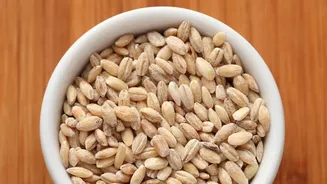
Barley is one of the oldest cultivated grains on Earth, but it is now experiencing a renaissance in health-conscious circles. With a nutty flavour and a delightfully chewy texture, it offers a satisfying alternative to other breakfast staples. But its
appeal goes far beyond taste and texture. Modern nutritional science is shining a spotlight on barley for its impressive health profile, particularly its high fibre content and its impact on metabolic health. Packed with essential vitamins and minerals like manganese, selenium, and magnesium, barley provides a robust nutritional foundation to start your day. While it has long been a key ingredient in soups, stews, and beer, its potential as a breakfast powerhouse is the latest chapter in its long history.
The Science of Better Blood Sugar
The primary reason barley is being examined for blood-sugar-friendly meal planning lies in its unique type of soluble fibre: beta-glucan. When you eat barley, this fibre dissolves in water and forms a thick, gel-like substance in your digestive tract. This gel acts as a natural brake, slowing down the digestion and absorption of carbohydrates. The result is a more gradual release of glucose into the bloodstream, preventing the sharp spikes and subsequent crashes in blood sugar that can follow a high-carb meal. This makes barley an especially smart choice for individuals managing pre-diabetes or diabetes. Furthermore, barley has a very low glycemic index (GI), a measure of how quickly a food raises blood sugar. With a GI typically around 25-30, it stands in stark contrast to many common breakfast foods like white bread or sugary cereals, which have high GI scores.
Barley vs. Oats: A Breakfast Showdown
Oatmeal is often hailed as the champion of healthy breakfast grains, and for good reason. It also contains beneficial beta-glucan fibre. However, when it comes to blood sugar management, studies suggest barley may have a significant edge. Research has shown that while both grains can lower post-meal blood sugar and insulin levels, barley is often more effective. In one study, barley reduced blood sugar and insulin levels by 59–65%, a considerably greater reduction than the 29–36% seen with oats. This superior performance is largely attributed to barley's lower glycemic index and potentially higher concentration of beta-glucan. Some studies even point to a “second meal effect,” where eating barley for breakfast can help moderate the blood sugar response to your next meal, a benefit not typically associated with other grains.
Making Barley Your Breakfast Staple
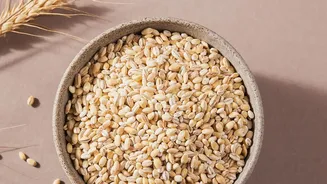
Incorporating barley into your breakfast routine is simpler than it sounds. You’ll typically find two main types in stores: hulled and pearled. Hulled barley is the whole-grain version with only the inedible outer husk removed; it's higher in fibre but requires a longer cooking time, often around 45-60 minutes. Pearled barley, which has had the bran layer polished off, cooks faster (in about 25-30 minutes) and is a great starting point. To make it a convenient breakfast option, cook a large batch at the beginning of the week. Simply boil one cup of barley in about three cups of water until tender, then store it in the refrigerator. In the morning, you can quickly reheat a portion with a splash of milk or water, creating a ready-made base for your breakfast bowl.
Building the Perfect Barley Bowl
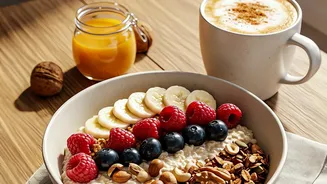
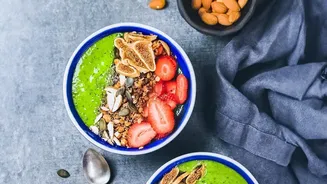
Once you have your cooked barley, the possibilities are endless. To create a balanced, blood-sugar-friendly bowl, think about adding sources of protein, healthy fats, and additional fibre. Stir in a scoop of Greek yogurt for creaminess and protein. Top with a handful of berries for natural sweetness and antioxidants, and sprinkle on nuts like almonds or walnuts for a satisfying crunch and healthy fats. Seeds such as chia, flax, or pumpkin seeds can further boost the fibre and nutrient content. A dash of cinnamon not only adds warmth but has also been shown to have a positive effect on blood sugar regulation. By focusing on these types of toppings instead of brown sugar or maple syrup, you can create a delicious and deeply nourishing meal that will keep you feeling full and energized all morning long.