





A New, Aspirational Consumer
For years, the story of premium coffee in India was confined to a handful of major metropolitan areas. Today, that narrative is being rewritten in cities like Lucknow, Jaipur, Indore, and Surat. The key driver is a dramatic shift in the consumer landscape.
Rising disposable incomes, increasing digital connectivity, and a young, globally-aware population are creating a fertile ground for growth. According to a recent report, the affluent population in these non-metro markets has surged, with a growing number of households ready to spend on premium experiences. This isn't just about having more money; it's about aspiration. Exposed to global trends through social media, young consumers in smaller cities are seeking the same lifestyle markers as their metro counterparts, and a branded coffee experience is high on that list.
The 'Third Place' Goes Local
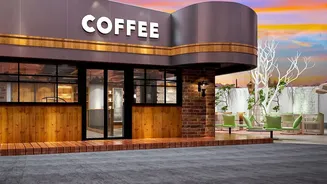
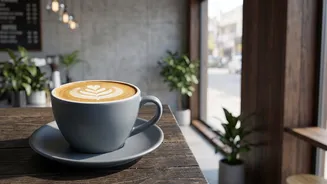
The cafe has evolved from a simple beverage outlet into a vital 'third place'—a social hub distinct from home and the office where people can connect, work, and relax. This trend has been supercharged by the rise of remote and hybrid work models. For many freelancers, students, and remote employees, cafes offer a productive and social environment. In Tier-2 cities, where dedicated co-working spaces might be less common, the local cafe becomes an even more crucial part of the urban infrastructure. Observers note that while cafes in metros are often filled with individuals working silently on laptops, the atmosphere in smaller city outlets is more communal, filled with conversation and laughter, highlighting their role in community formation.
Brands Follow the Money
Sensing a massive opportunity, both international giants and homegrown brands are aggressively expanding into these emerging markets. Tata Starbucks, which now has over 500 stores in India, is targeting Tier-2 and Tier-3 cities as a key part of its strategy to reach 1,000 stores by 2028. Similarly, specialty chains like Third Wave Coffee recently raised significant funding specifically to deepen their presence in cities like Ludhiana, Jalandhar, and Amritsar. Jaipur-based chain Nothing Before Coffee has also seen rapid growth across more than 45 cities, focusing on a youth-centric model with accessible pricing. For these companies, the appeal is clear: lower competition and operational costs compared to saturated metros, combined with a strong, underserved demand for quality cafe experiences. Some cafe owners even report that their Tier-2 locations are now outperforming their metro outlets.
More Than Just a Cup
The expansion of coffee culture is more than a simple business trend; it’s a barometer of broader economic and social change. It signals the rise of a confident new consumer class outside the traditional economic centres. The growth in these cities is not just happening in cafes but across sectors like e-commerce, electronics, and fashion, indicating a fundamental shift in India's consumption story. This decentralisation of spending power is reshaping retail strategies, forcing brands to look beyond the top eight metros to find their next wave of growth. The coffee shop, in this context, is not just selling a beverage but an accessible piece of a modern, aspirational lifestyle to a new generation of Indian consumers.