
From Static Lines to Dynamic Experiences
The single-file shuffle past a long row of chafing dishes is slowly being replaced by a more fluid and engaging dining format. Modern couples are breaking up the monolithic buffet into smaller, distinct food stations spread throughout the venue. This
approach does more than just prevent long queues; it turns the meal into an interactive experience. Instead of a passive dinner, guests are encouraged to explore, mingle, and discover different culinary offerings at their own pace. This shift from a static line to a dynamic food landscape is the cornerstone of the new wedding dining scene, transforming catering from a simple service into a key part of the event's entertainment.
The Rise of Interactive Stations
The biggest trend driving this change is the explosion of live and interactive food counters. These aren't just about serving food; they're about creating a spectacle. Popular choices include live pasta bars where chefs toss ingredients to order, chaat counters that allow guests to customize their spice levels, and sizzling kebab grills serving treats straight from the tandoor. The appeal is multi-faceted: the food is guaranteed to be fresh and hot, guests enjoy the 'theatre' of watching chefs at work, and the ability to personalize a dish ensures everyone gets exactly what they want. From DIY taco bars to dosa stations and even live-fried jalebi counters, these stations add a layer of fun and engagement that a traditional buffet simply can't match.
A Global-Local Flavour Fusion
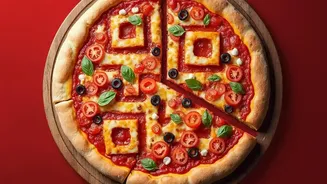
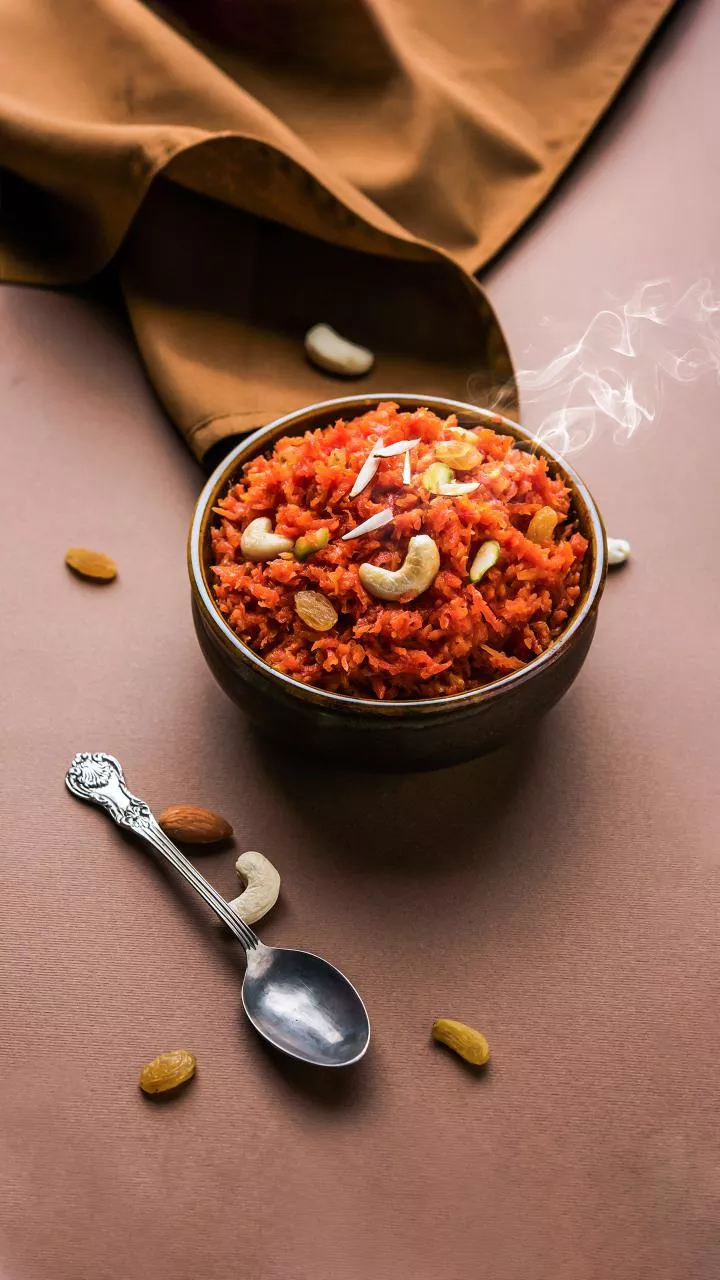
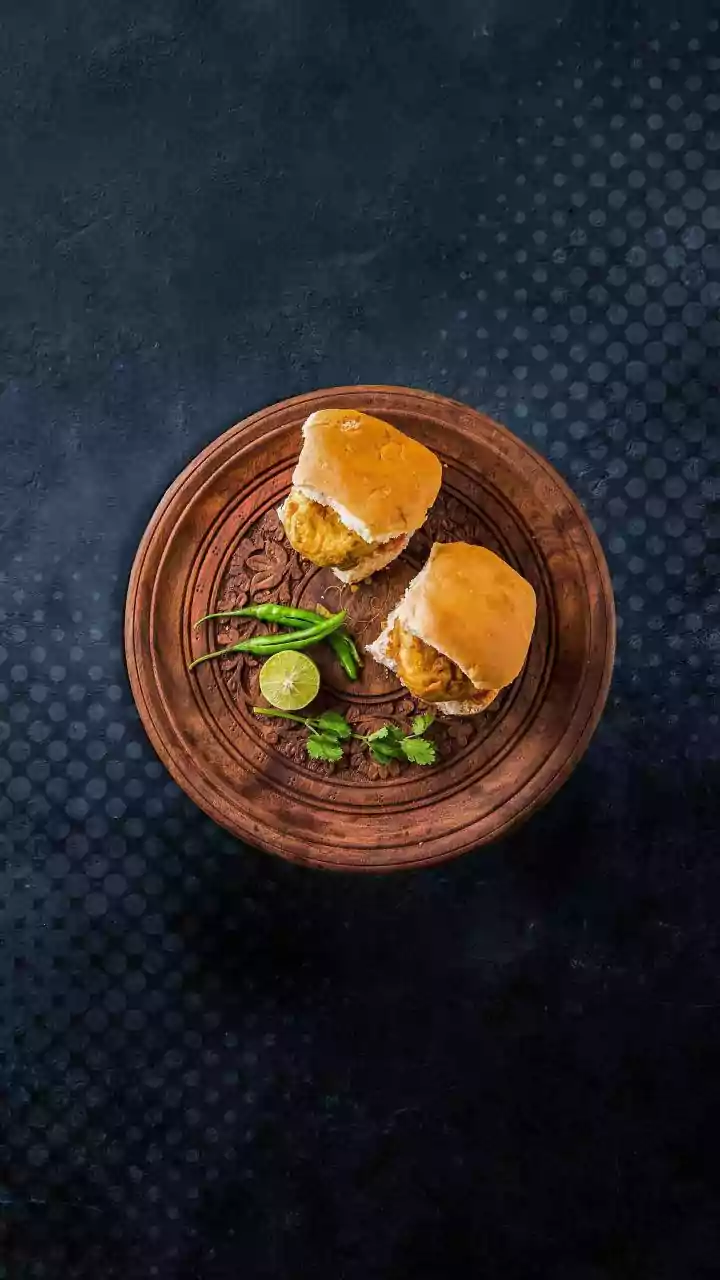
Today's wedding menus reflect the global palates of modern couples and their guests. It's no longer unusual to find a sophisticated Pan-Asian counter with sushi and dim sum next to a rustic station dedicated to regional Indian classics. Caterers are seeing a demand for everything from Italian pasta wheels to Mexican taco bars and gourmet burger sliders. This global approach is often paired with a renewed focus on hyper-regional Indian cuisine. Instead of a generic 'North Indian' menu, couples are showcasing specific dishes from their heritage, whether it's Rajasthani Dal Baati Churma or Bengali specialties. This fusion of global trends and local pride creates a menu that is both excitingly diverse and deeply personal.
Catering to Every Palate
Perhaps the most significant evolution is the thoughtful consideration given to dietary needs. In the past, guests with restrictions might have found limited options. Now, accommodating different diets is a priority. Modern caterers are adept at providing dedicated vegan, Jain, and gluten-free options that are just as delicious as the main offerings. Clear labeling on every dish has become standard practice, allowing guests to make informed choices with confidence. Some couples are even opting for fully vegetarian menus to ensure every guest feels included, complementing them with exciting fusion dishes and interactive counters that appeal to all tastes.
A Menu That Tells a Story
Ultimately, the rewriting of the wedding buffet is about personalization. Food is becoming a key storytelling element. Couples are curating menus that reflect their personal journey—featuring a dish from their first date, specialties from their respective hometowns, or cuisines from a country they love to travel to. This move away from overwhelming, generic spreads towards more restrained, thoughtfully chosen dishes signifies a larger shift in wedding philosophy. More is no longer seen as better; instead, luxury lies in the authenticity, quality, and personal significance of the food served.