


On the busy highway connecting Delhi and Lucknow, there is a village that has built its entire identity around a single, beloved sweet. This is Maigalganj, a place known far and wide not for monuments, but for melt-in-your-mouth gulab jamuns.
A Sweet Stop on the Highway
Travellers
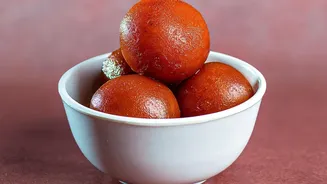
on National Highway 30 (formerly NH24) are greeted by an unusual sight in Uttar Pradesh’s Lakhimpur Kheri district. For a stretch of about half a kilometre, the roadside is packed with dozens of shops, all dedicated to selling one thing: gulab jamun. These shops, ranging from small stalls to more established stores, have transformed the village of Maigalganj into an essential pit stop for anyone craving a sweet fix. It's a common ritual for buses and cars to pull over, with passengers eager to enjoy the fresh, hot sweet served in traditional earthen bowls, or 'matkas'. Many of the shops share similar names, like 'Mashhoor Gulab Jamun ki Purani Dukaan', which translates to 'Famous Old Gulab Jamun Shop', hinting at a shared, competitive, yet collective heritage.
The Origins of a Legacy
The story of Maigalganj's sweet obsession dates back to 1941. It was then that a man named Dhanpal set up the first shop, Dhanpal Misthan Bhandar, in what was a relatively undeveloped and isolated area. The road was not yet the bustling highway it is today, but travellers who stopped by were captivated by the delicious gulab jamuns. According to his descendants, the secret was the quality and freshness. Word of mouth spread, and as the dessert's popularity grew, other vendors saw an opportunity. They began opening their own shops nearby, creating a cluster of sweet sellers. By the 1970s, the transformation was complete: Maigalganj had become synonymous with gulab jamuns, a reputation so strong that even politicians made it a point to stop for a taste.
The Secret in the Syrup
So, what makes the gulab jamuns of Maigalganj so special? The primary factor, according to shopkeepers and loyal customers, is the freshness. The sweets are made in small batches throughout the day and served piping hot. The process is a meticulous art. It starts with high-quality khoya (milk solids), which is kneaded with a small amount of flour into a smooth, crack-free dough. These balls are then deep-fried slowly in ghee or oil until they achieve a perfect golden-brown exterior, ensuring they are cooked evenly to the centre. The final, crucial step is soaking them in a warm sugar syrup. This syrup is carefully prepared to an 'ek-taar' or 'one-string' consistency, which allows the jamuns to absorb the sweetness without becoming mushy or falling apart. This traditional method, often passed down through generations, results in a dessert that is incredibly soft, spongy, and rich in flavour.
A Town's Sweet Livelihood
The gulab jamun is more than just a dessert in Maigalganj; it is the backbone of the local economy. With dozens of shops, some reports claiming over 100, the trade employs a significant portion of the village's population. From the sweet makers who perfect the recipe to the staff who serve the endless stream of travellers, this single product sustains many families. The business has given the village a unique identity and a stable source of income that is not dependent on agriculture alone. One long-time worker at the original Dhanpal shop noted that without gulab jamuns, Maigalganj would be just another anonymous village on a highway. The sweet treat has literally put it on the map, creating a unique micro-economy fuelled by sugar, milk, and tradition.