







What Is Creatine, Anyway?
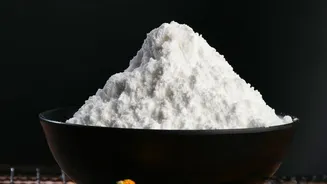
Creatine is not a synthetic mystery substance; it's a naturally occurring compound your body already produces and stores, primarily in your muscles. It plays a vital role in cellular energy, helping your muscles regenerate their main energy source, ATP,
which is used for short, powerful movements like lifting or climbing stairs. While you get small amounts of creatine from foods like red meat and fish, supplementation has become popular for its ability to saturate muscle stores, providing more on-demand energy for physical tasks. For decades, it has been one of the most studied supplements for athletes, but new research is exploring its benefits beyond the gym, particularly for healthy aging.
The New Study's Key Findings
Researchers at Texas A&M University recently focused on a group often overlooked in sports nutrition studies: healthy adults aged 45 to 65. In a 12-week trial, they explored how creatine monohydrate affected strength and body composition. Participants were divided into groups, some exercising and some not. Within those groups, some received 10 grams of creatine daily while others got a placebo. The results were intriguing. Even among the non-exercising participants, those taking creatine gained about 2.4 pounds of lean tissue and saw improvements in leg and bench press strength compared to the placebo group. This suggests creatine can help preserve muscle mass and strength on its own.
Creatine vs. Exercise: The Real Winner
While the idea of gaining strength without exercise is appealing, the study's most important finding is a crucial reality check. The group that combined creatine with a structured program of resistance and aerobic training saw significantly greater strength gains and improved endurance. This confirms what fitness experts have long maintained: supplements can assist, but they can't replace the fundamental benefits of physical activity. Exercise is the primary driver of muscle growth, strength, and overall health. Creatine appears to act as a performance enhancer for your workouts, allowing you to push a little harder, which in turn leads to better results. Think of it as a helpful tool in your toolbox, not the entire workshop.
A Weapon Against Age-Related Muscle Loss
One of the most promising applications for creatine in this age group is its potential to combat sarcopenia—the natural, age-related decline in muscle mass, strength, and function. Losing muscle as we age can affect everything from balance and mobility to the risk of falls and fractures. By helping to preserve and even build lean tissue, creatine can be a valuable supplement for maintaining independence and a high quality of life. The Texas A&M study also found that when creatine was added to a program involving exercise and a calorie-reduced diet, participants saw a greater reduction in body fat percentage than with diet and exercise alone.
Is It Safe and How Should You Use It?
Creatine monohydrate, the most researched form, is widely considered safe for healthy adults at recommended doses. Typical maintenance doses range from 3 to 5 grams per day. The Texas A&M study used a higher amount of 10 grams, but many studies support the effectiveness of the lower range for long-term use. Consistency is more important than timing, so taking it daily is key. The most common side effect is minor water retention in the muscles, which may result in slight weight gain initially. While research has not shown adverse effects on kidney or liver function in healthy individuals, it's essential to stay well-hydrated. As with any change to your health regimen, consulting with a doctor before starting creatine is the smartest first step.